Erectile dysfunction
Recognizing erectile problems: What's normal, when to take action
Occasionally having difficulty getting an erection is completely normal. Research shows that 52% of men between 40 and 70 years old experience some form of erection problems, ranging from 40% among 40-year-olds to 70% among 70-year-olds⁷. It only becomes a medical issue when it occurs regularly and/or affects your sex life. Many men delay seeking help due to embarrassment, even though effective treatments are available. These range from lifestyle changes such as increased physical activity and healthier eating, to medications like sildenafil (Viagra) or tadalafil (Cialis), which improve blood flow to the penis.
LAST UPDATE
MEDICALLY REVIEWED BY
Bibian Schäffer, general practitioner
TIME
5 min
read
KEY WORDS
• Recognizing erectile problems • Symptoms of erectile dysfunction • Erectile dysfunction • When to see a doctor
What exactly are erection problems?
Erection problems occur when you have difficulty getting or maintaining an erection that is firm enough for sexual intercourse. This can take different forms: sometimes an erection doesn’t occur at all, sometimes it isn’t hard enough, or it fades during sex. It’s important to understand that erection problems are not a disease in themselves, but a symptom. They may point to underlying physical or psychological factors, and often multiple factors play a role at the same time.
When is it normal?
It’s completely normal for things not to work occasionally. Everyone experiences moments when it just doesn’t happen. Stress, fatigue, too much alcohol, or simply having an “off day” are all common causes of occasional erection problems.
Examples include:
After a few alcoholic drinks
During periods of intense stress or pressure
When you are very tired or sleep poorly⁴
Due to tension or performance anxiety³
As a side effect of certain medications
As long as it remains occasional and doesn’t structurally affect your sex life, there’s no cause for concern.
When does it become a problem?
It’s time to take action when erection problems occur regularly and start to impact your sex life or relationship. As a general rule: if more than half of your attempts at sex are unsuccessful and this lasts longer than three months, it’s wise to seek help. It’s also important to act if erection problems appear suddenly or worsen rapidly, as this may indicate underlying health issues such as cardiovascular disease or diabetes. In those cases, contacting a doctor promptly is especially important.
How common is it?
Erection problems are far more common than many men think. Research shows that about 20% of men experience erection problems at some point in their lives¹. This can occur at different stages of life and for different reasons.
Age plays a significant role. The Massachusetts Male Aging Study found that 52% of men between 40 and 70 years old experience some form of erection problems⁷. This ranges from 40% among 40-year-olds to 70% among 70-year-olds⁷. Younger men can also be affected, often due to psychological factors such as performance pressure or stress³. In the Netherlands, an estimated 1 million men are affected by erection problems. You are definitely not alone.
Why do so many men wait?
Embarrassment and insecurity are the main reasons men delay seeking help. Erection problems often feel like an attack on masculinity, which makes them difficult to talk about - even with a doctor or partner. But waiting is unnecessary. Erection problems are medically very treatable, and doctors deal with them every day. Moreover, the sooner you seek help, the sooner you can enjoy your sex life again. And if erection problems point to underlying health issues, early detection is only beneficial.
What are the main causes?
Erection problems can have both physical and psychological causes. Often, it’s a combination of the two.
Key physical causes:
Cardiovascular disease (reduced blood flow)
Diabetes (nerve and vascular damage)
Overweight and obesity
Smoking and excessive alcohol use
Sleep problems (insufficient sleep)⁴
Side effects of medication
Key psychological causes:
Stress and performance pressure³
Anxiety and depression⁵
Relationship problems
Trauma or negative experiences
What can you do?
The good news: erection problems are highly treatable. Depending on the situation, several solutions are available:
Lifestyle changes
If overweight or an unhealthy lifestyle plays a role, adjustments can make a big difference. Research shows that weight loss, increased physical activity, and quitting smoking can significantly improve erectile function².
Medication
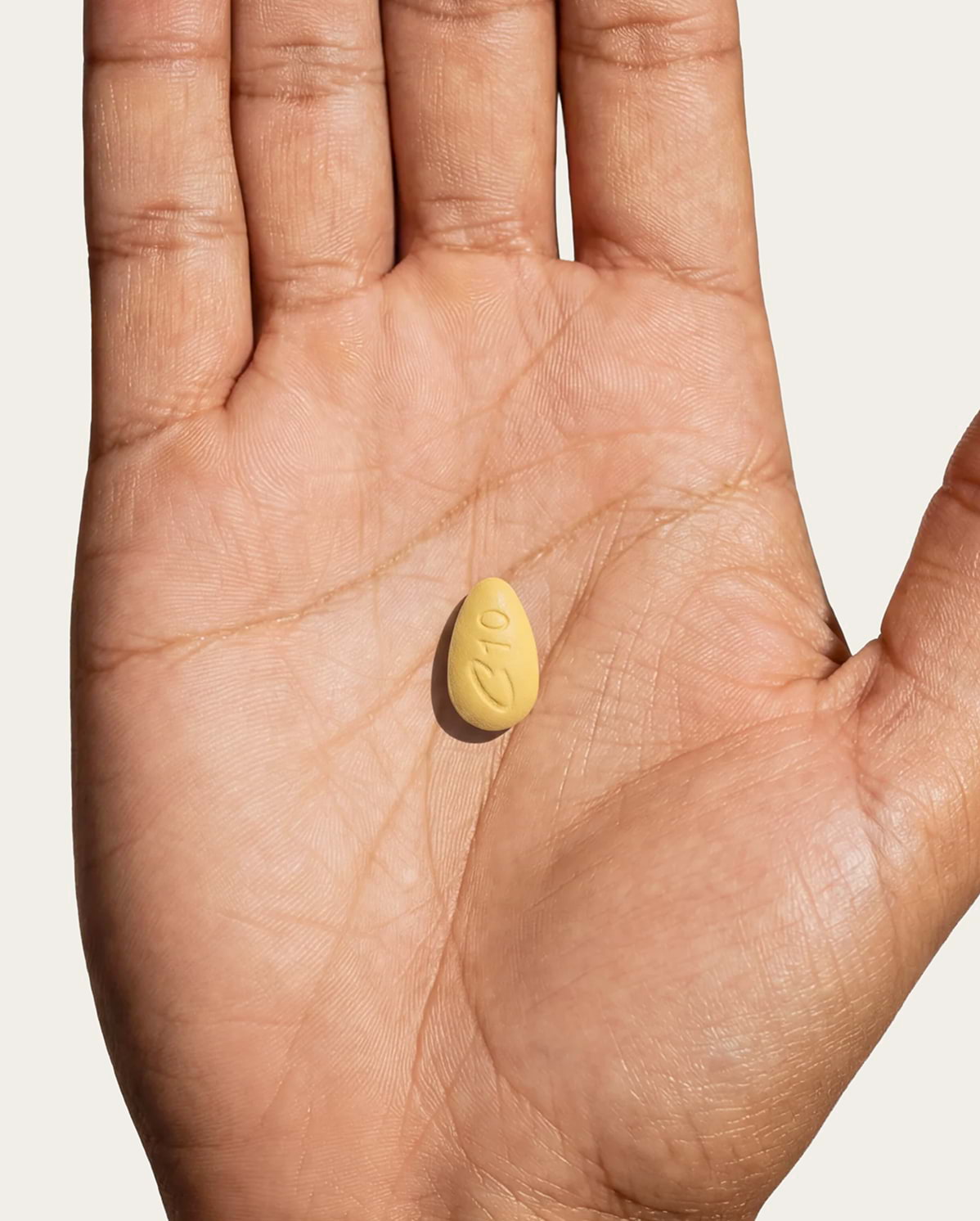
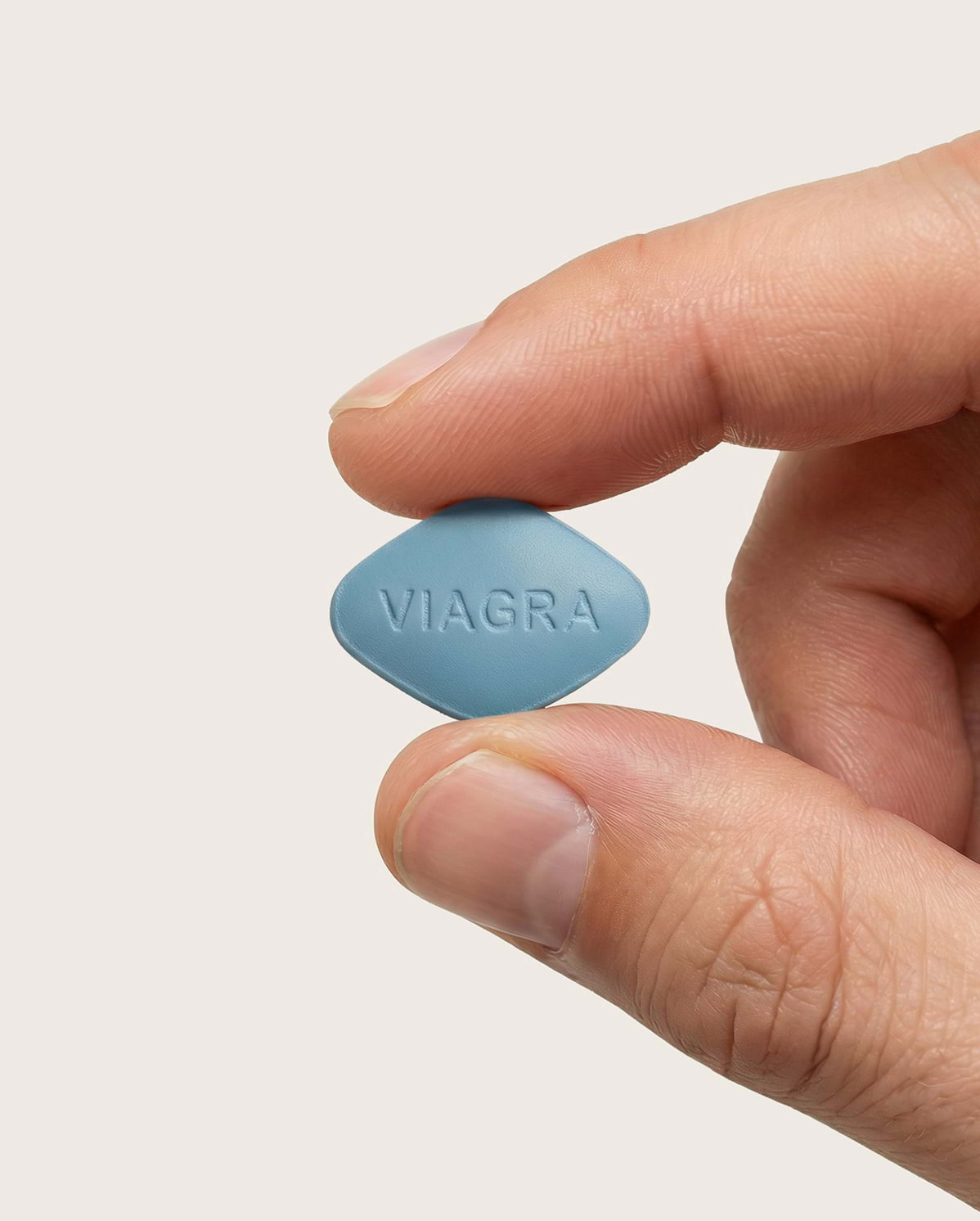
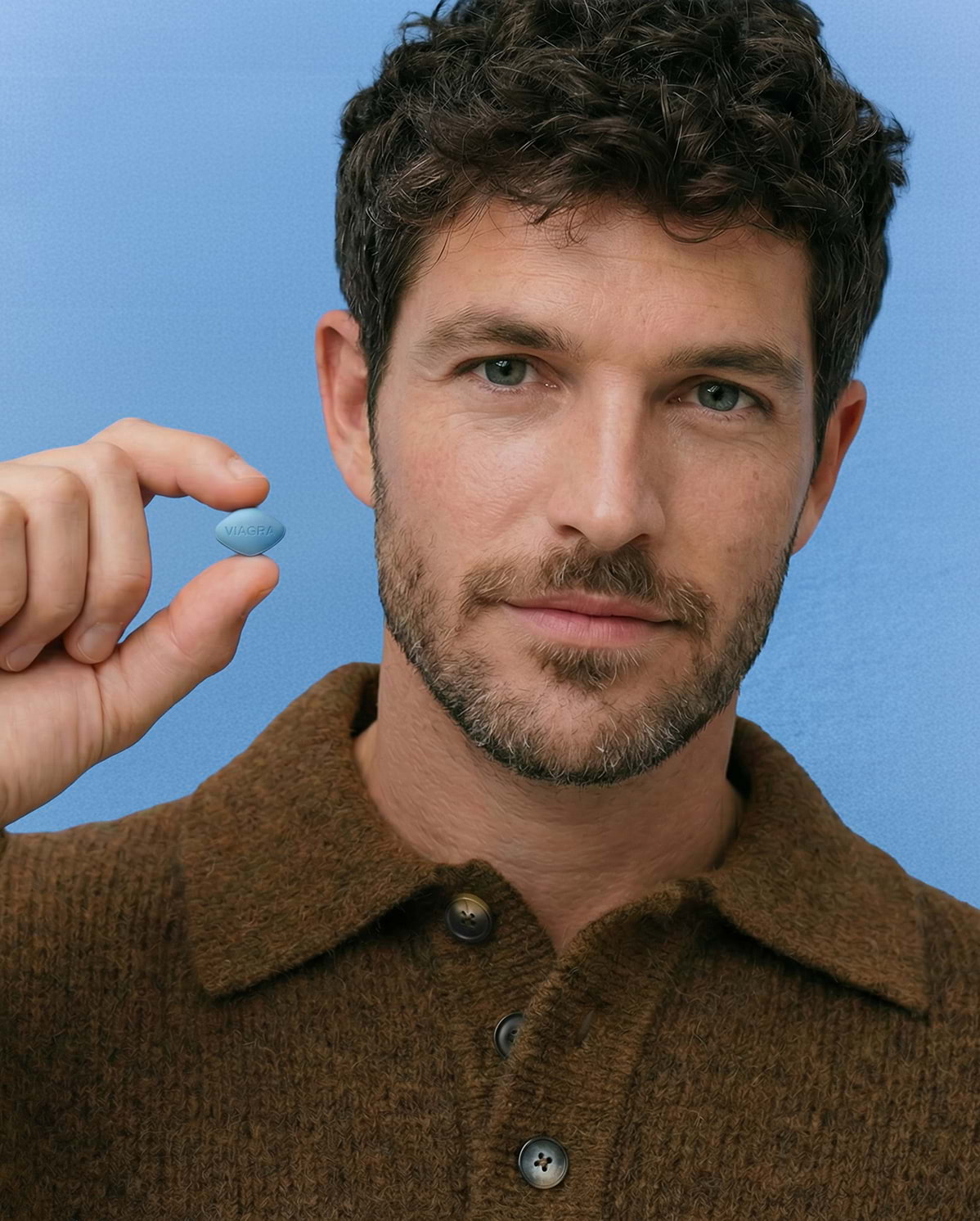
For many men, erectile medications such as sildenafil (Viagra) or tadalafil (Cialis) are effective. These drugs increase blood flow to the penis and work for approximately 70–80% of users⁶. They are safe when used under medical supervision.
Psychological support
If stress, anxiety, or relationship issues contribute, counseling or sex therapy can help. Often, a combination of medication and therapy delivers the best results.
Conclusion
Erection problems are common and normal. Occasional issues are no cause for concern, but if they occur regularly and affect your sex life, it’s time to take action. Effective treatments are available, from lifestyle changes to medication. At Menkind, you can receive discreet, online support from registered doctors who can prescribe sildenafil (Viagra) or tadalafil (Cialis) if you’re eligible. To find out, fill out the medical intake questionnaire.
References
1. Saigal, C. S., et al. (2006). Predictors and prevalence of erectile dysfunction in a racially diverse population. Archives of Internal Medicine, 166(2), 207-212. https://pubmed.ncbi.nlm.nih.gov/16432090/
2. Esposito, K., et al. (2004). Effect of lifestyle changes on erectile dysfunction in obese men: a randomized controlled trial. JAMA, 291(24), 2978-2984. https://pubmed.ncbi.nlm.nih.gov/15213209/
3. Pyke, R. E. (2019). Sexual performance anxiety. Sexual Medicine Reviews, 7(1), 1-8. https://doi.org/10.1016/j.sxmr.2019.07.001
4. Zhang, F., et al. (2022). Short Sleep Duration and Erectile Dysfunction: A Review of the Literature. Nature and Science of Sleep, 14, 1945-1961. https://doi.org/10.2147/NSS.S375571
5. Rowland, D. L., & van Lankveld, J. J. D. M. (2019). Anxiety and performance in sex, sport, and stage: Identifying common ground. Frontiers in Psychology, 10, 1615. https://doi.org/10.3389/fpsyg.2019.01615
6. Carson, C. C., et al. (2002). The efficacy of sildenafil citrate (Viagra) in clinical populations: an update. International Journal of Impotence Research, 14(Suppl 1), S109-S115. https://pubmed.ncbi.nlm.nih.gov/12414330/
7. Feldman, H. A., et al. (1994). Impotence and its medical and psychosocial correlates: results of the Massachusetts Male Aging Study. The Journal of Urology, 151(1), 54-61. https://pubmed.ncbi.nlm.nih.gov/8254833/