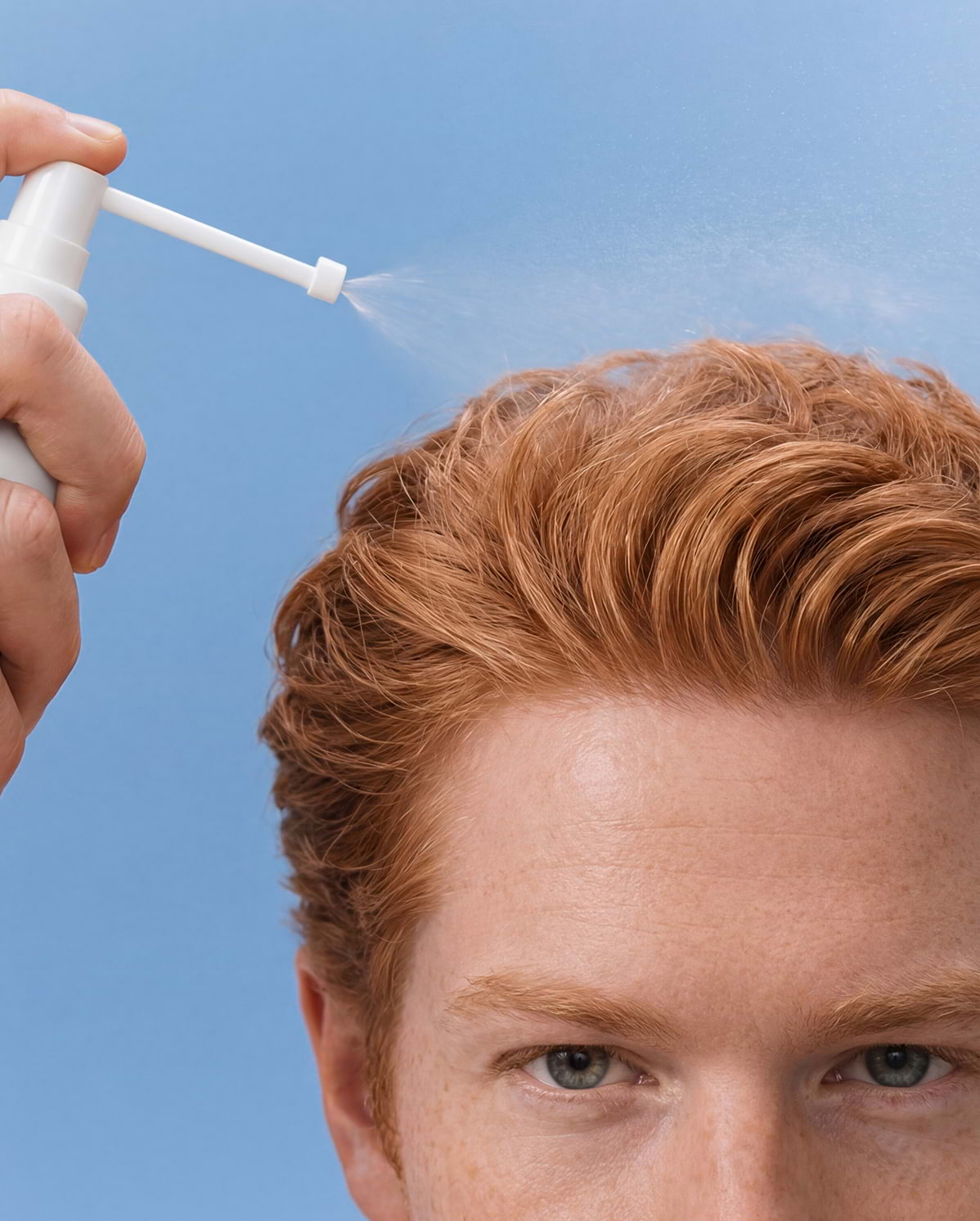
Stop Hair Loss
Stimulate Regrowth
Stop Hair Loss
Stimulate Regrowth
Hair loss
Effective treatments for thicker, fuller hair.
Prescription medication
Results from 3-6 months
100% online
From €28 per month
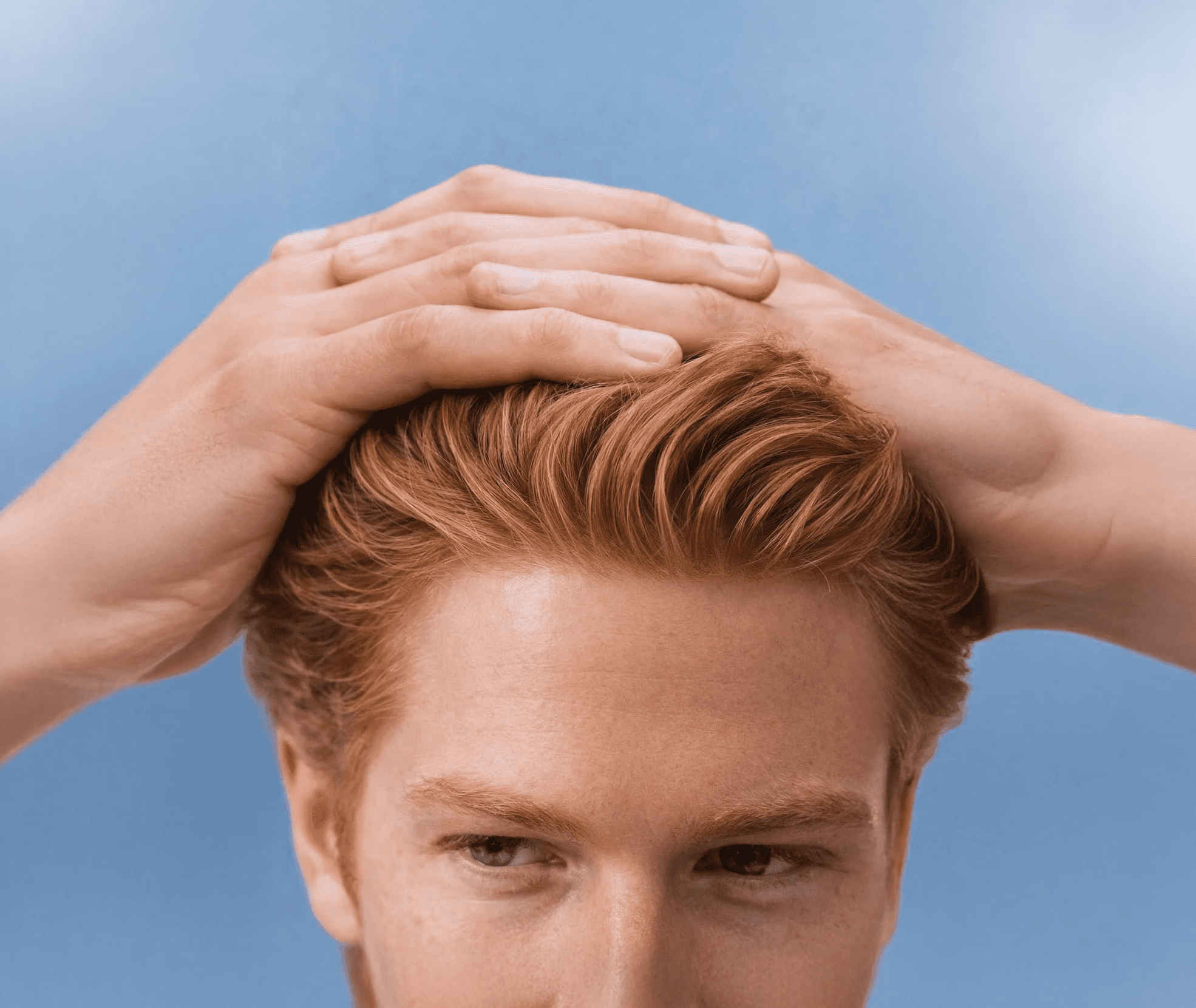
WHY TREAT HAIR LOSS WITH MENKIND
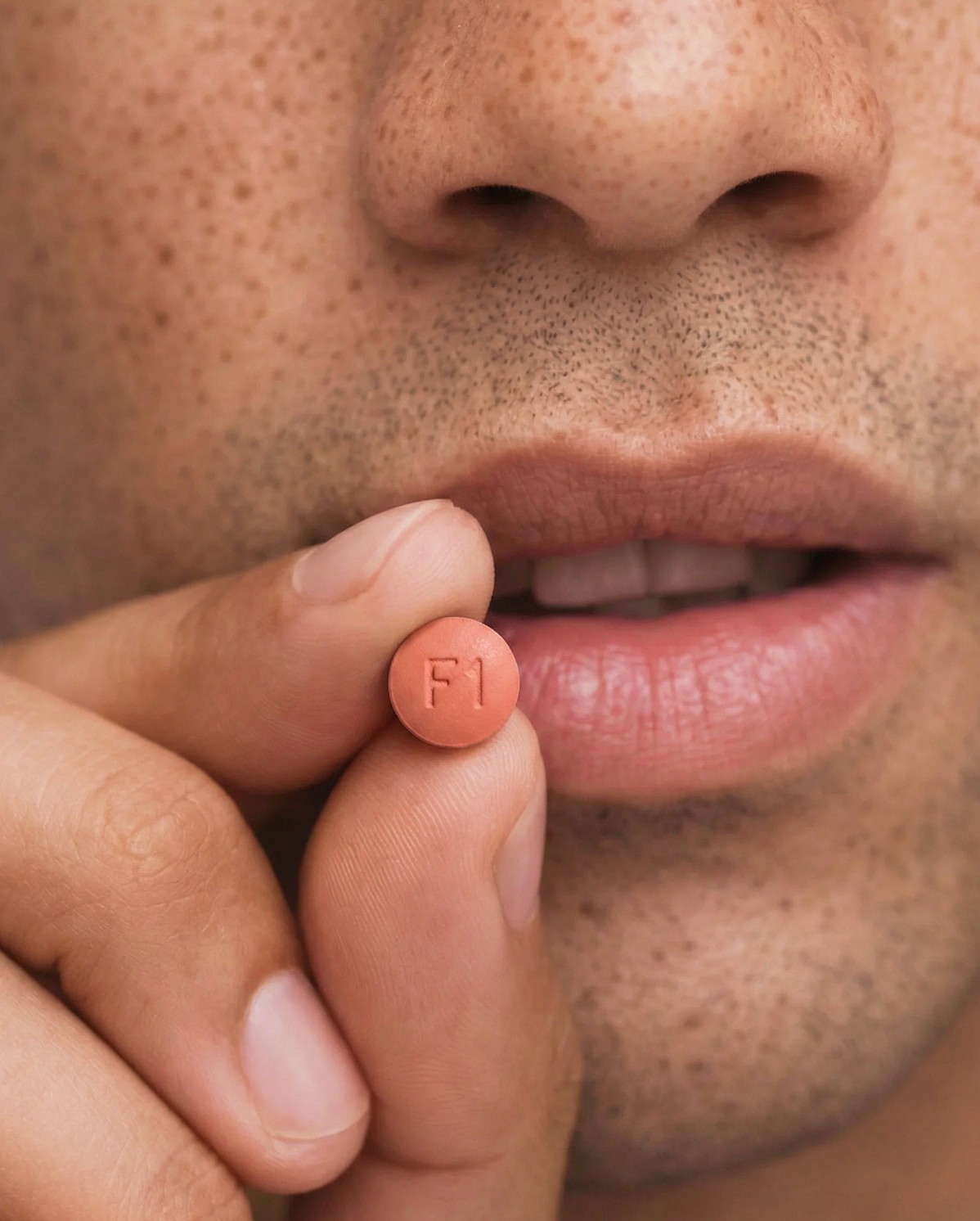
With the right medication - finasteride, dutasteride, or minoxidil - you can stop hair loss and stimulate regrowth. We help you find the treatment that is right for you.
Registered, Dutch doctors
Registered doctors who work independently and take the time for your hair situation.
Free and discreet delivery
Your medication for hair loss is delivered for free in neutral packaging without a logo or name.
Prescription medication
We offer medication that has been proven to work against hair loss: finasteride, dutasteride, and minoxidil.
100% online, always personal
From consultation to delivery, fully digital. On your schedule, without waiting rooms or travel time.
Registered, Dutch doctors
Registered doctors who work independently and take the time for your hair situation.
Free and discreet delivery
Your medication for hair loss is delivered for free in neutral packaging without a logo or name.
Prescription medication
We offer medication that has been proven to work against hair loss: finasteride, dutasteride, and minoxidil.
100% online, always personal
From consultation to delivery, fully digital. On your schedule, without waiting rooms or travel time.
our
treatment
treatment plans
plans
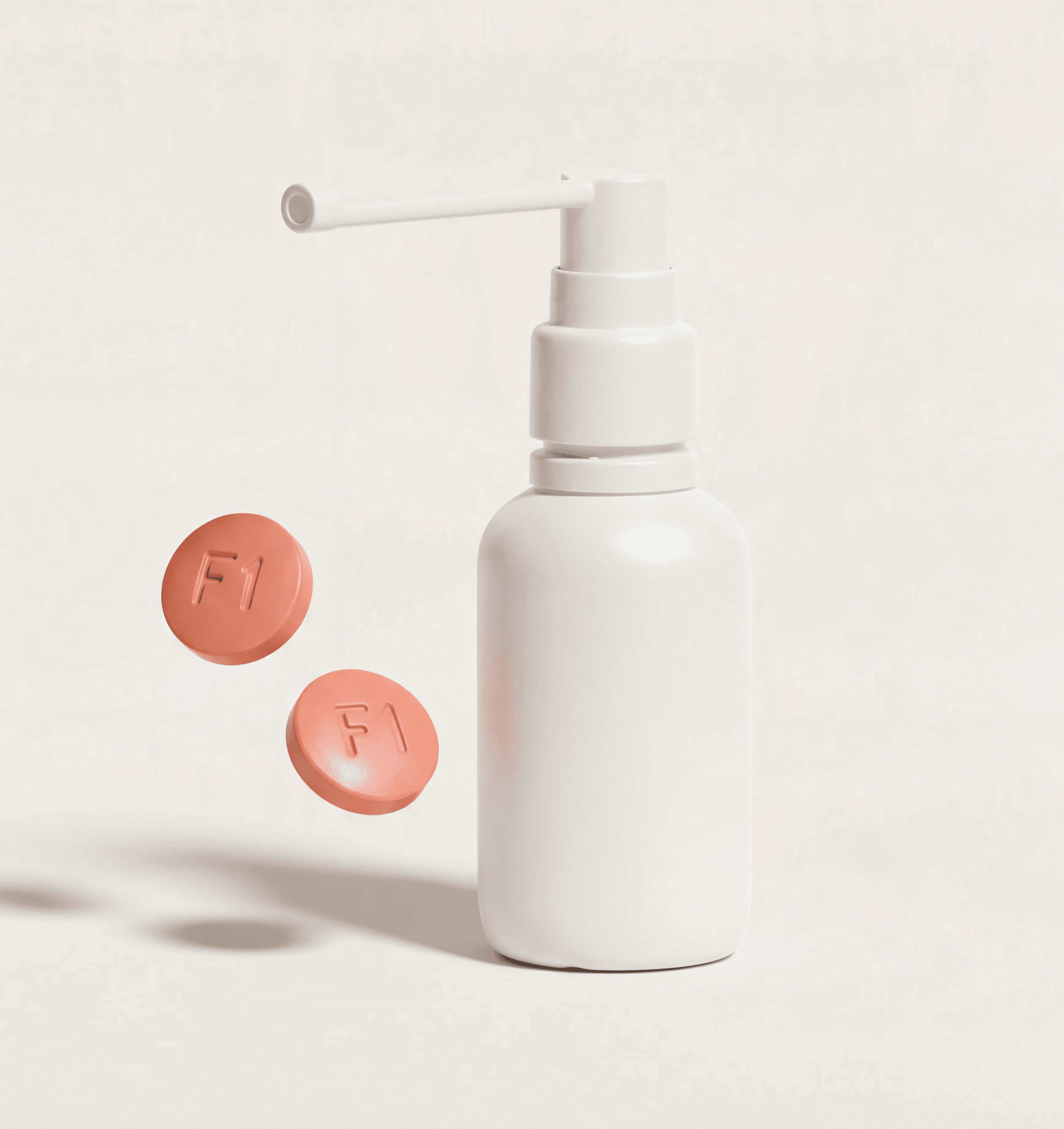
Finasteride & Minoxidil
FROM
€57
PER MONTH
Our most effective treatment combination. Works for 9 out of 10 men.
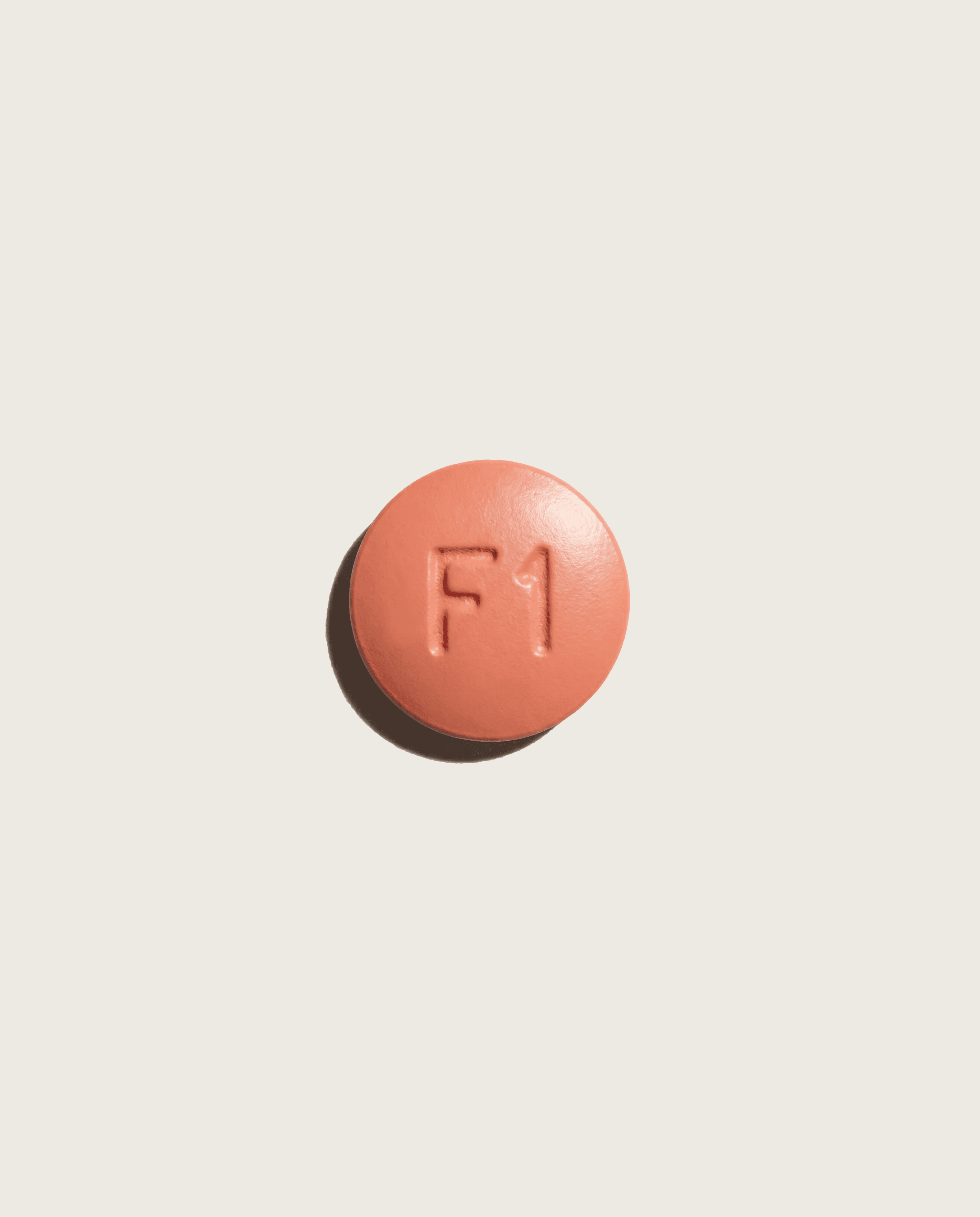
Finasteride
FROM
€28
PER MONTH
Stimulates regrowth and prevents further hair loss. Works even better with Minoxidil.

Dutasteride
FROM
€40
PER MONTH
Most powerful treatment for hair loss. Only used off-label for hair.
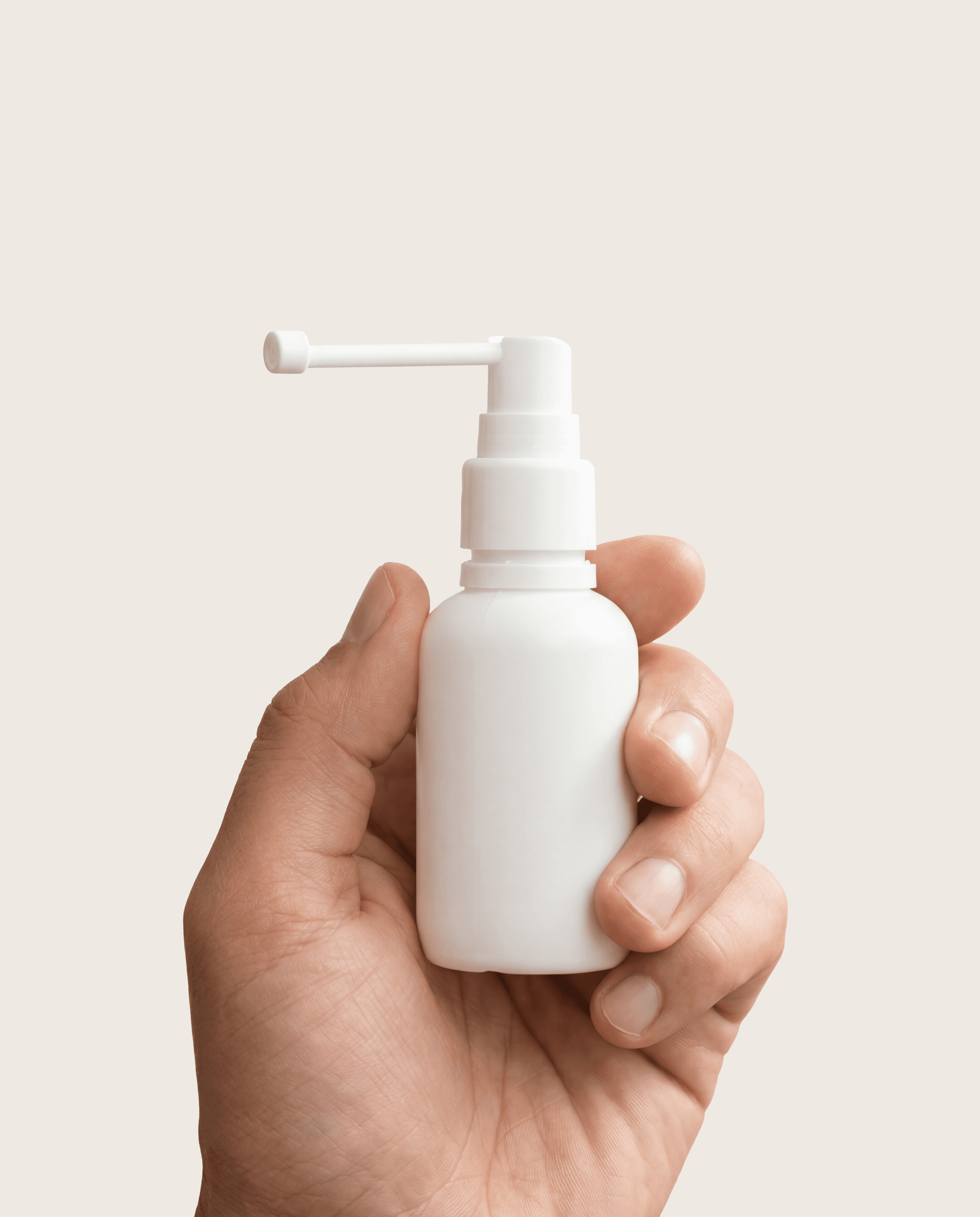
Minoxidil
FROM
€29
PER MONTH
Stimulates local blood flow. No prescription needed. Ideal to combine with finasteride.
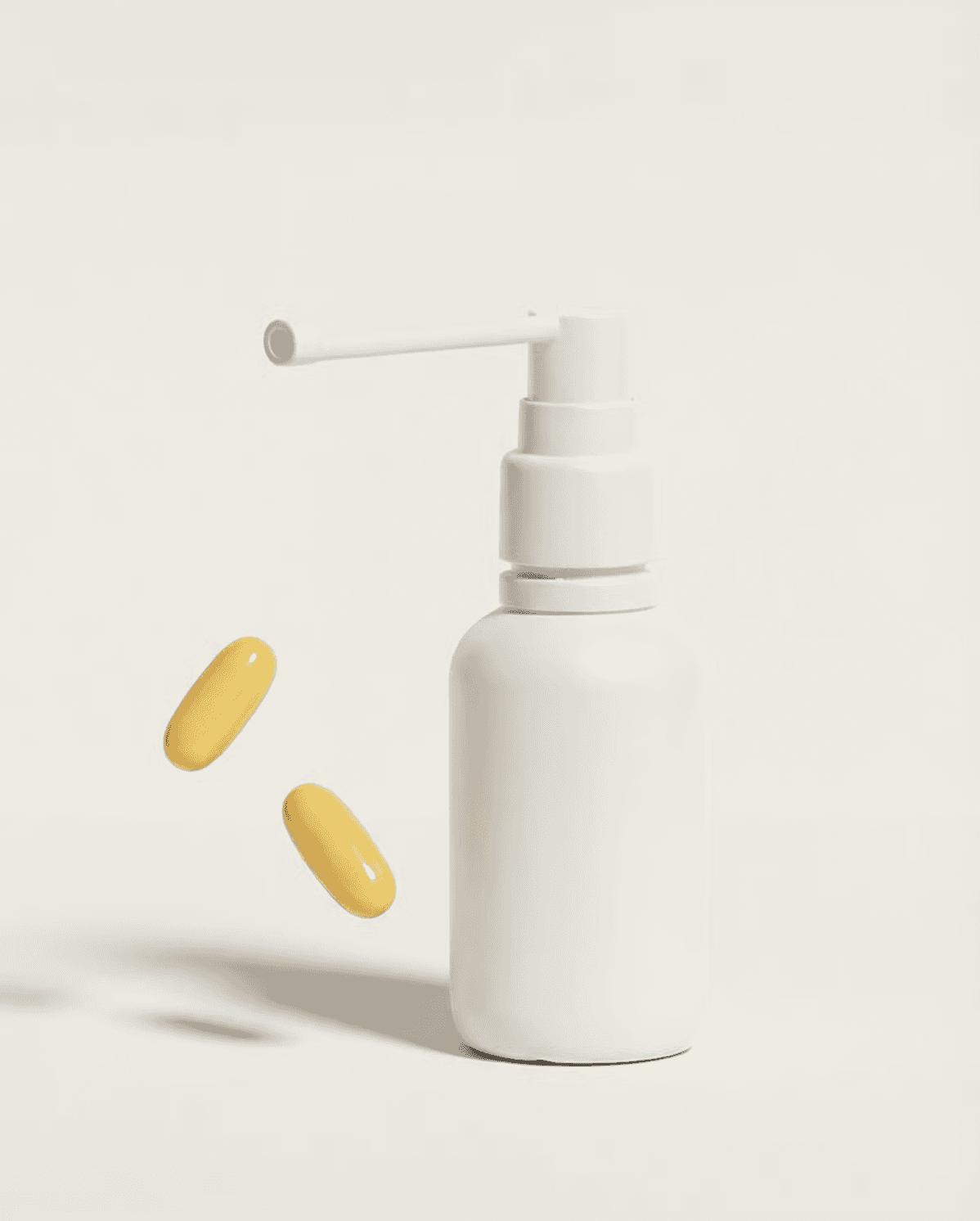
Dutasteride & Minoxidil
FROM
€69
PER MONTH
Combination for stubborn hair loss. Especially when finasteride isn't enough.
Finasteride & Minoxidil
FROM
€57
PER MONTH
Our most effective treatment combination. Works for 9 out of 10 men.
Finasteride
FROM
€28
PER MONTH
Stimulates regrowth and prevents further hair loss. Works even better with Minoxidil.
Dutasteride
FROM
€40
PER MONTH
Most powerful treatment for hair loss. Only used off-label for hair.
Minoxidil
FROM
€29
PER MONTH
Stimulates local blood flow. No prescription needed. Ideal to combine with finasteride.
Dutasteride & Minoxidil
FROM
€69
PER MONTH
Combination for stubborn hair loss. Especially when finasteride isn't enough.
The science behind hair loss
How finasteride and minoxidil work
How finasteride and minoxidil work
The science behind hair loss
How finasteride and minoxidil work
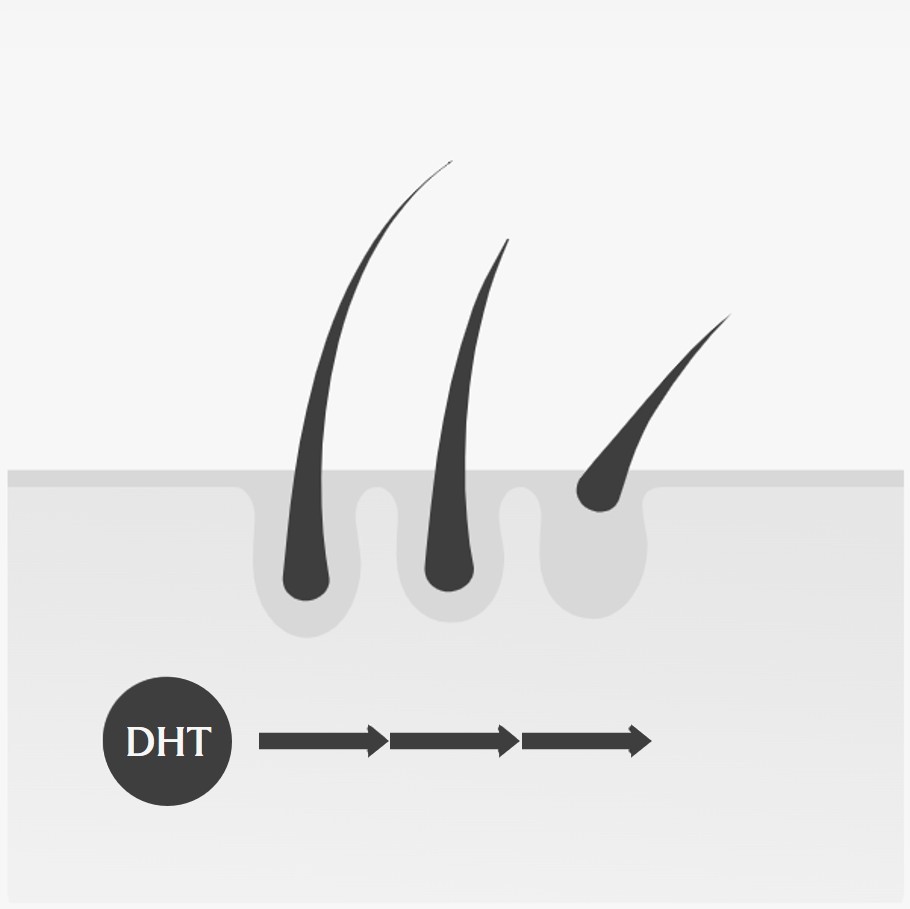
Why do we lose hair?
Hair loss is primarily caused by DHT, a hormone that gradually weakens hair follicles. Over time, the follicles become smaller, the hair grows thinner, and hair growth can eventually slow down or stop.
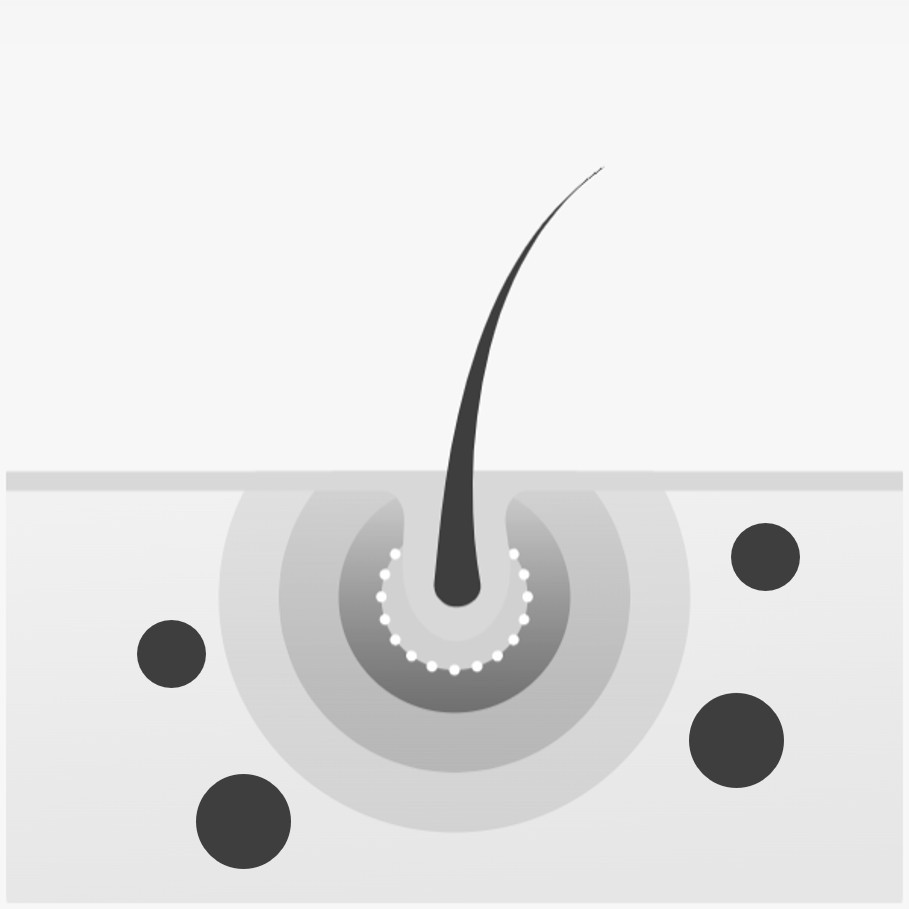
Finasteride
Finasteride decreases the production of DHT by blocking the enzyme responsible for it. This helps protect hair follicles, slows down further hair loss, and can support regrowth in many men.
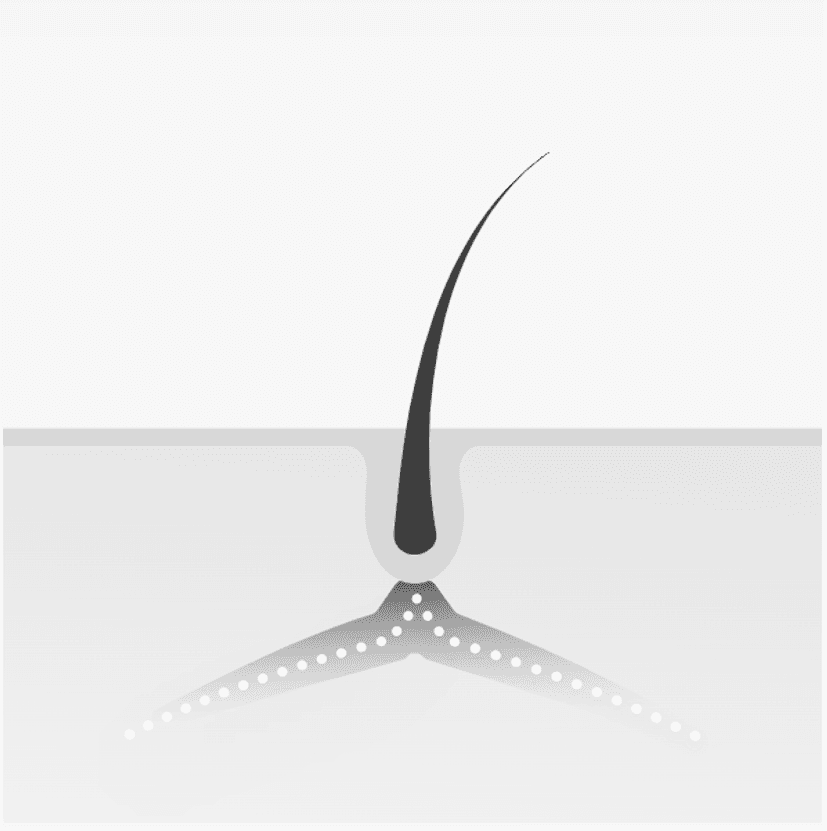
Minoxidil
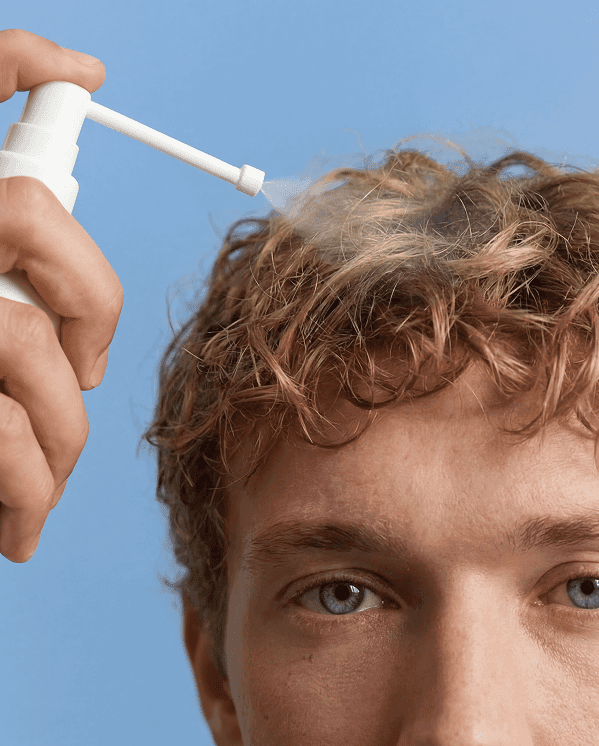
Minoxidil enhances blood circulation to the hair follicles, allowing them to receive more oxygen and nutrients. This helps stimulate hair growth and supports stronger and thicker hair in the long term.
HOW DOES IT WORK
01
Fill in the online questionnaire
Answer a few questions about your health online in a few minutes and choose your preferred treatment.
02
Evaluation by a physician
A Dutch physician assesses your situation, creates a personal treatment plan including an (online) prescription - often within 24-48 hours.
03
Discrete delivery and ongoing care
Your medication is delivered quickly, free of charge, and discreetly to your home by our pharmacy. Your doctor remains available for questions and guidance.
HOW DOES IT WORK
01
Fill in the online questionnaire
Answer a few questions about your health online in a few minutes and choose your preferred treatment.
02
Evaluation by a physician
A Dutch physician assesses your situation, creates a personal treatment plan including an (online) prescription - often within 24-48 hours.
03
Discrete delivery and ongoing care
Your medication is delivered quickly, free of charge, and discreetly to your home by our pharmacy. Your doctor remains available for questions and guidance.
HOW DOES IT WORK
01
Fill in the online questionnaire
Answer a few questions about your health online in a few minutes and choose your preferred treatment.
02
Evaluation by a physician
A Dutch physician assesses your situation, creates a personal treatment plan including an (online) prescription - often within 24-48 hours.
03
Discrete delivery and ongoing care
Your medication is delivered quickly, free of charge, and discreetly to your home by our pharmacy. Your doctor remains available for questions and guidance.
HOW DOES IT WORK
01
Fill in the online questionnaire
Answer a few questions about your health online in a few minutes and choose your preferred treatment.
02
Evaluation by a physician
A Dutch physician assesses your situation, creates a personal treatment plan including an (online) prescription - often within 24-48 hours.
03
Discrete delivery and ongoing care
Your medication is delivered quickly, free of charge, and discreetly to your home by our pharmacy. Your doctor remains available for questions and guidance.
EFFECTIVENESS OF THE TREATMENTS
Finasteride and minoxidil:
stronger together
Finasteride and minoxidil complement each other by addressing different mechanisms of hair loss. Finasteride lowers the DHT level, while minoxidil keeps the hair follicles active by improving blood flow to the scalp.
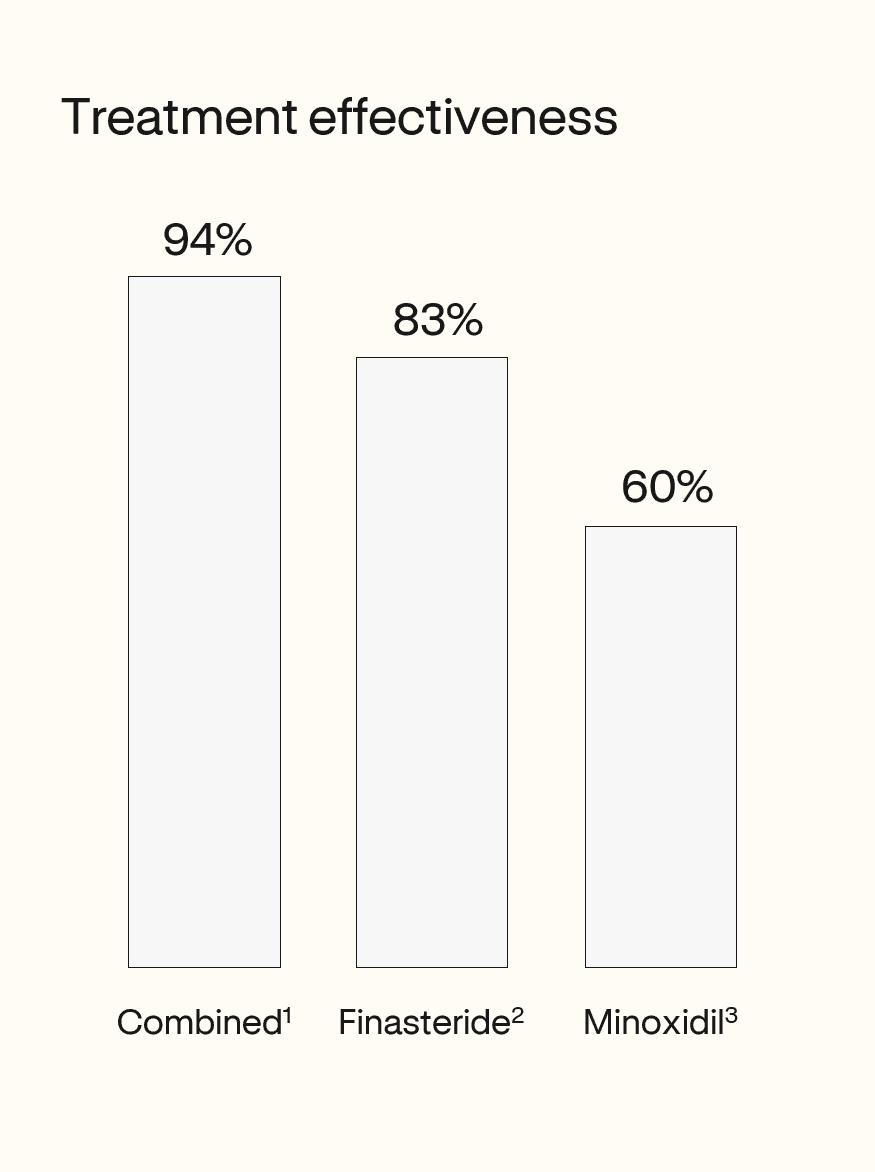
Together they are more effective than when used separately. Research shows that with the use of both treatments, up to 94% of men see improvement, compared to about 83% with finasteride alone and 60% with minoxidil alone.
References
1) Hu et al., 2015 - Combined treatment with oral finasteride and topical minoxidil in male androgenetic alopecia.
2) Shapiro, J., & Kaufman, K. D., 2003 - Use of finasteride in the treatment of men with androgenetic alopecia (male pattern hair loss)
3) Olsen et al., 2002 – A randomized clinical trial of 5% topical minoxidil versus 2% topical minoxidil and placebo in the treatment of androgenetic alopecia in men.
Minoxidil
Minoxidil enhances blood circulation to the hair follicles, allowing them to receive more oxygen and nutrients. This helps stimulate hair growth and supports stronger and thicker hair in the long term.

Ik ben erg tevreden. Eindelijk iets dat werkt. Geen food noise meer in mijn hoofd!
GEWICHTSVERLIES
Michiel
Hele proces was soepel. Goed voorgelicht, prettige communicatie, directe lijn met arts bij vragen.
VROEGTIJDIG KLAARKOMEN
Bas
Ik stond echt versteld van hoe professioneel deze service is. Ik ben er enorm mee geholpen. Aanrader!
ERECTIEPROBLEMEN
Otto
TRUSTED
BY MEN
Ik ben erg tevreden. Eindelijk iets dat werkt. Geen food noise meer in mijn hoofd!
GEWICHTSVERLIES
Michiel
Hele proces was soepel. Goed voorgelicht, prettige communicatie, directe lijn met arts bij vragen.
VROEGTIJDIG KLAARKOMEN
Bas
Ik stond echt versteld van hoe professioneel deze service is. Ik ben er enorm mee geholpen. Aanrader!
ERECTIEPROBLEMEN
Otto
TRUSTED
BY MEN
Ik ben erg tevreden. Eindelijk iets dat werkt. Geen food noise meer in mijn hoofd!
GEWICHTSVERLIES
Michiel
Hele proces was soepel. Goed voorgelicht, prettige communicatie, directe lijn met arts bij vragen.
VROEGTIJDIG KLAARKOMEN
Bas
Ik stond echt versteld van hoe professioneel deze service is. Ik ben er enorm mee geholpen. Aanrader!
ERECTIEPROBLEMEN
Otto
TRUSTED
BY MEN
Ik ben erg tevreden. Eindelijk iets dat werkt. Geen food noise meer in mijn hoofd!
GEWICHTSVERLIES
Michiel
Hele proces was soepel. Goed voorgelicht, prettige communicatie, directe lijn met arts bij vragen.
VROEGTIJDIG KLAARKOMEN
Bas
Ik stond echt versteld van hoe professioneel deze service is. Ik ben er enorm mee geholpen. Aanrader!
ERECTIEPROBLEMEN
Otto
TRUSTED
BY MEN
MEDICAL
PROFESSIONALS

Arthur Bijleveld
General practitioner

Bibian Schäffer
General practitioner

Marieke Vinken
Pharmacist

Romke Brada
General practitioner
MEDICAL
PROFESSIONALS
Arthur Bijleveld
General practitioner
Bibian Schäffer
General practitioner
Marieke Vinken
Pharmacist
Romke Brada
General practitioner
MEDICAL
PROFESSIONALS
Arthur Bijleveld
General practitioner
Bibian Schäffer
General practitioner
Marieke Vinken
Pharmacist
Romke Brada
General practitioner
MEDICAL
PROFESSIONALS
Arthur Bijleveld
General practitioner
Bibian Schäffer
General practitioner
Marieke Vinken
Pharmacist
Romke Brada
General practitioner
Questions? Check our FAQ for answers to frequently asked questions.
What is hair loss and what causes it?
Hair loss means losing more than 100-120 hairs per day over an extended period. The most common form is hereditary hair loss (androgenetic alopecia), caused by the hormone DHT. DHT causes hair follicles to shrink, producing progressively thinner hair until they stop growing altogether.
What is androgenetic alopecia (male pattern baldness)?
Androgenetic alopecia is hereditary male pattern baldness, the most common form of hair loss in men. It is caused by the hormone DHT binding to hair follicles and causing them to shrink. This results in a receding hairline at the temples and/or thinning at the crown. Approximately 30% of men at the age of 30 suffer from this, 50% over 50, and as many as 70% at the age of 70.
How do finasteride, dutasteride, and minoxidil work?
Finasteride blocks the enzyme that converts testosterone into DHT, reducing DHT levels by about 70%. This protects hair follicles from further damage. Dutasteride works similarly but blocks even more DHT (approximately 90%) by inhibiting both type I and type II enzymes. Minoxidil works differently: it dilates blood vessels in the scalp, allowing more oxygen and nutrients to reach hair follicles. It also prolongs the hair growth phase and activates dormant follicles. Finasteride and dutasteride address the root cause, while minoxidil stimulates growth.
Can I combine finasteride and minoxidil?
Yes, the combination of finasteride and minoxidil is highly effective. Studies show that 94% of men experience improvement with this combination, compared to 83% with finasteride alone. Finasteride blocks DHT at the source, while minoxidil stimulates blood flow. By using both, you tackle hair loss from two angles simultaneously. This makes combination therapy the most powerful medical approach.
How long does it take before I see results?
Patience is essential with hair treatments. Finasteride and dutasteride: first improvements (reduced hair loss) often appear after 3-6 months. Most noticeable results emerge after 12 months. Minoxidil works somewhat faster: many users see improvement within 3 months. Hair grows about 1 centimeter per month on average, so visible results take time.
Finasteride, dutasteride, minoxidil: what are the side effects?
Finasteride and dutasteride can cause sexual side effects such as decreased libido and erectile dysfunction in 1-2% of users. Reduced ejaculation volume is also reported in rare cases. Breast tenderness occurs in less than 1% of users. Even less common side effects include allergic reactions, testicular pain, temporary reduced fertility (very rare, reversible upon discontinuation), and mood swings or depression. Minoxidil mainly causes local side effects: scalp irritation or itching (up to 10%), dry scalp, and sometimes unwanted facial hair if the lotion spreads to the face. Headaches are also occasionally reported. The vast majority (96-98%) experience no serious side effects with finasteride or dutasteride.
Who are eligible for hair treatments?
Hair treatments are suitable for men aged 18-65 with hereditary hair loss (androgenetic alopecia). This is recognizable by a receding hairline at the temples or thinning at the crown. Treatment works best for mild to moderate hair loss. In completely bald areas, hair follicles cannot regenerate. Finasteride, dutasteride, and minoxidil are not suitable for women or other forms of hair loss such as alopecia areata.
What happens if I stop my hair treatment?
Hair treatments only work while you use them. With finasteride and dutasteride: if you stop, DHT levels rise again within weeks and hair loss returns within 6-12 months. The same applies to minoxidil: hair loss gradually returns. Any side effects usually disappear within weeks after stopping. Continuous use is therefore essential to maintain results.
What should I do if I forget my treatment for a day?
Don't worry if you miss a single day. Although hair treatments work best with consistent use, it takes about 3-4 months for hair loss to return after stopping. Therefore, one missed day has almost no impact. Important: do not double the dose to make up for a missed dose. Just continue with your normal schedule the next day.
Questions? Check our FAQ for answers to frequently asked questions.
What is hair loss and what causes it?
Hair loss means losing more than 100-120 hairs per day over an extended period. The most common form is hereditary hair loss (androgenetic alopecia), caused by the hormone DHT. DHT causes hair follicles to shrink, producing progressively thinner hair until they stop growing altogether.
What is androgenetic alopecia (male pattern baldness)?
Androgenetic alopecia is hereditary male pattern baldness, the most common form of hair loss in men. It is caused by the hormone DHT binding to hair follicles and causing them to shrink. This results in a receding hairline at the temples and/or thinning at the crown. Approximately 30% of men at the age of 30 suffer from this, 50% over 50, and as many as 70% at the age of 70.
How do finasteride, dutasteride, and minoxidil work?
Finasteride blocks the enzyme that converts testosterone into DHT, reducing DHT levels by about 70%. This protects hair follicles from further damage. Dutasteride works similarly but blocks even more DHT (approximately 90%) by inhibiting both type I and type II enzymes. Minoxidil works differently: it dilates blood vessels in the scalp, allowing more oxygen and nutrients to reach hair follicles. It also prolongs the hair growth phase and activates dormant follicles. Finasteride and dutasteride address the root cause, while minoxidil stimulates growth.
Can I combine finasteride and minoxidil?
Yes, the combination of finasteride and minoxidil is highly effective. Studies show that 94% of men experience improvement with this combination, compared to 83% with finasteride alone. Finasteride blocks DHT at the source, while minoxidil stimulates blood flow. By using both, you tackle hair loss from two angles simultaneously. This makes combination therapy the most powerful medical approach.
How long does it take before I see results?
Patience is essential with hair treatments. Finasteride and dutasteride: first improvements (reduced hair loss) often appear after 3-6 months. Most noticeable results emerge after 12 months. Minoxidil works somewhat faster: many users see improvement within 3 months. Hair grows about 1 centimeter per month on average, so visible results take time.
Finasteride, dutasteride, minoxidil: what are the side effects?
Finasteride and dutasteride can cause sexual side effects such as decreased libido and erectile dysfunction in 1-2% of users. Reduced ejaculation volume is also reported in rare cases. Breast tenderness occurs in less than 1% of users. Even less common side effects include allergic reactions, testicular pain, temporary reduced fertility (very rare, reversible upon discontinuation), and mood swings or depression. Minoxidil mainly causes local side effects: scalp irritation or itching (up to 10%), dry scalp, and sometimes unwanted facial hair if the lotion spreads to the face. Headaches are also occasionally reported. The vast majority (96-98%) experience no serious side effects with finasteride or dutasteride.
Who are eligible for hair treatments?
Hair treatments are suitable for men aged 18-65 with hereditary hair loss (androgenetic alopecia). This is recognizable by a receding hairline at the temples or thinning at the crown. Treatment works best for mild to moderate hair loss. In completely bald areas, hair follicles cannot regenerate. Finasteride, dutasteride, and minoxidil are not suitable for women or other forms of hair loss such as alopecia areata.
What happens if I stop my hair treatment?
Hair treatments only work while you use them. With finasteride and dutasteride: if you stop, DHT levels rise again within weeks and hair loss returns within 6-12 months. The same applies to minoxidil: hair loss gradually returns. Any side effects usually disappear within weeks after stopping. Continuous use is therefore essential to maintain results.
What should I do if I forget my treatment for a day?
Don't worry if you miss a single day. Although hair treatments work best with consistent use, it takes about 3-4 months for hair loss to return after stopping. Therefore, one missed day has almost no impact. Important: do not double the dose to make up for a missed dose. Just continue with your normal schedule the next day.
Questions? Check our FAQ for answers to frequently asked questions.
What is hair loss and what causes it?
Hair loss means losing more than 100-120 hairs per day over an extended period. The most common form is hereditary hair loss (androgenetic alopecia), caused by the hormone DHT. DHT causes hair follicles to shrink, producing progressively thinner hair until they stop growing altogether.
What is androgenetic alopecia (male pattern baldness)?
Androgenetic alopecia is hereditary male pattern baldness, the most common form of hair loss in men. It is caused by the hormone DHT binding to hair follicles and causing them to shrink. This results in a receding hairline at the temples and/or thinning at the crown. Approximately 30% of men at the age of 30 suffer from this, 50% over 50, and as many as 70% at the age of 70.
How do finasteride, dutasteride, and minoxidil work?
Finasteride blocks the enzyme that converts testosterone into DHT, reducing DHT levels by about 70%. This protects hair follicles from further damage. Dutasteride works similarly but blocks even more DHT (approximately 90%) by inhibiting both type I and type II enzymes. Minoxidil works differently: it dilates blood vessels in the scalp, allowing more oxygen and nutrients to reach hair follicles. It also prolongs the hair growth phase and activates dormant follicles. Finasteride and dutasteride address the root cause, while minoxidil stimulates growth.
Can I combine finasteride and minoxidil?
Yes, the combination of finasteride and minoxidil is highly effective. Studies show that 94% of men experience improvement with this combination, compared to 83% with finasteride alone. Finasteride blocks DHT at the source, while minoxidil stimulates blood flow. By using both, you tackle hair loss from two angles simultaneously. This makes combination therapy the most powerful medical approach.
How long does it take before I see results?
Patience is essential with hair treatments. Finasteride and dutasteride: first improvements (reduced hair loss) often appear after 3-6 months. Most noticeable results emerge after 12 months. Minoxidil works somewhat faster: many users see improvement within 3 months. Hair grows about 1 centimeter per month on average, so visible results take time.
Finasteride, dutasteride, minoxidil: what are the side effects?
Finasteride and dutasteride can cause sexual side effects such as decreased libido and erectile dysfunction in 1-2% of users. Reduced ejaculation volume is also reported in rare cases. Breast tenderness occurs in less than 1% of users. Even less common side effects include allergic reactions, testicular pain, temporary reduced fertility (very rare, reversible upon discontinuation), and mood swings or depression. Minoxidil mainly causes local side effects: scalp irritation or itching (up to 10%), dry scalp, and sometimes unwanted facial hair if the lotion spreads to the face. Headaches are also occasionally reported. The vast majority (96-98%) experience no serious side effects with finasteride or dutasteride.
Who are eligible for hair treatments?
Hair treatments are suitable for men aged 18-65 with hereditary hair loss (androgenetic alopecia). This is recognizable by a receding hairline at the temples or thinning at the crown. Treatment works best for mild to moderate hair loss. In completely bald areas, hair follicles cannot regenerate. Finasteride, dutasteride, and minoxidil are not suitable for women or other forms of hair loss such as alopecia areata.
What happens if I stop my hair treatment?
Hair treatments only work while you use them. With finasteride and dutasteride: if you stop, DHT levels rise again within weeks and hair loss returns within 6-12 months. The same applies to minoxidil: hair loss gradually returns. Any side effects usually disappear within weeks after stopping. Continuous use is therefore essential to maintain results.
What should I do if I forget my treatment for a day?
Don't worry if you miss a single day. Although hair treatments work best with consistent use, it takes about 3-4 months for hair loss to return after stopping. Therefore, one missed day has almost no impact. Important: do not double the dose to make up for a missed dose. Just continue with your normal schedule the next day.
Questions? Check our FAQ for answers to frequently asked questions.
What is hair loss and what causes it?
Hair loss means losing more than 100-120 hairs per day over an extended period. The most common form is hereditary hair loss (androgenetic alopecia), caused by the hormone DHT. DHT causes hair follicles to shrink, producing progressively thinner hair until they stop growing altogether.
What is androgenetic alopecia (male pattern baldness)?
Androgenetic alopecia is hereditary male pattern baldness, the most common form of hair loss in men. It is caused by the hormone DHT binding to hair follicles and causing them to shrink. This results in a receding hairline at the temples and/or thinning at the crown. Approximately 30% of men at the age of 30 suffer from this, 50% over 50, and as many as 70% at the age of 70.
How do finasteride, dutasteride, and minoxidil work?
Finasteride blocks the enzyme that converts testosterone into DHT, reducing DHT levels by about 70%. This protects hair follicles from further damage. Dutasteride works similarly but blocks even more DHT (approximately 90%) by inhibiting both type I and type II enzymes. Minoxidil works differently: it dilates blood vessels in the scalp, allowing more oxygen and nutrients to reach hair follicles. It also prolongs the hair growth phase and activates dormant follicles. Finasteride and dutasteride address the root cause, while minoxidil stimulates growth.
Can I combine finasteride and minoxidil?
Yes, the combination of finasteride and minoxidil is highly effective. Studies show that 94% of men experience improvement with this combination, compared to 83% with finasteride alone. Finasteride blocks DHT at the source, while minoxidil stimulates blood flow. By using both, you tackle hair loss from two angles simultaneously. This makes combination therapy the most powerful medical approach.
How long does it take before I see results?
Patience is essential with hair treatments. Finasteride and dutasteride: first improvements (reduced hair loss) often appear after 3-6 months. Most noticeable results emerge after 12 months. Minoxidil works somewhat faster: many users see improvement within 3 months. Hair grows about 1 centimeter per month on average, so visible results take time.
Finasteride, dutasteride, minoxidil: what are the side effects?
Finasteride and dutasteride can cause sexual side effects such as decreased libido and erectile dysfunction in 1-2% of users. Reduced ejaculation volume is also reported in rare cases. Breast tenderness occurs in less than 1% of users. Even less common side effects include allergic reactions, testicular pain, temporary reduced fertility (very rare, reversible upon discontinuation), and mood swings or depression. Minoxidil mainly causes local side effects: scalp irritation or itching (up to 10%), dry scalp, and sometimes unwanted facial hair if the lotion spreads to the face. Headaches are also occasionally reported. The vast majority (96-98%) experience no serious side effects with finasteride or dutasteride.
Who are eligible for hair treatments?
Hair treatments are suitable for men aged 18-65 with hereditary hair loss (androgenetic alopecia). This is recognizable by a receding hairline at the temples or thinning at the crown. Treatment works best for mild to moderate hair loss. In completely bald areas, hair follicles cannot regenerate. Finasteride, dutasteride, and minoxidil are not suitable for women or other forms of hair loss such as alopecia areata.
What happens if I stop my hair treatment?
Hair treatments only work while you use them. With finasteride and dutasteride: if you stop, DHT levels rise again within weeks and hair loss returns within 6-12 months. The same applies to minoxidil: hair loss gradually returns. Any side effects usually disappear within weeks after stopping. Continuous use is therefore essential to maintain results.
What should I do if I forget my treatment for a day?
Don't worry if you miss a single day. Although hair treatments work best with consistent use, it takes about 3-4 months for hair loss to return after stopping. Therefore, one missed day has almost no impact. Important: do not double the dose to make up for a missed dose. Just continue with your normal schedule the next day.

READY to
get
going
?
Start the online intake for your personal treatment plan.
READY to
get
going
?
Start the online intake for your personal treatment plan.