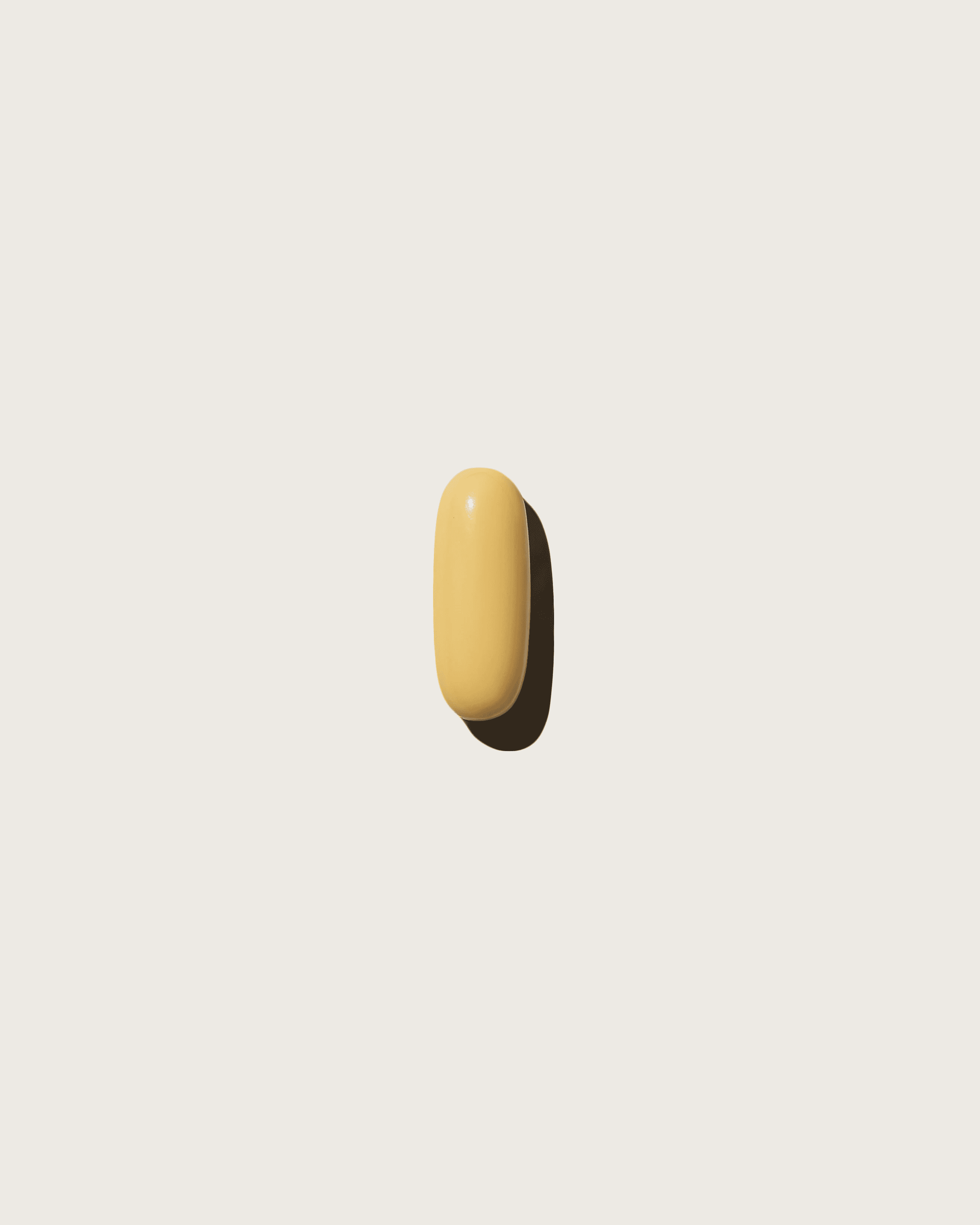


Dutasteride
0.5MG TABLETS |
FROM
€40
PER MONTH
More powerful DHT blocker than finasteride. Suitable when finasteride is insufficient. Works excellently with Minoxidil.
" transform="translate(2 2)" width="15px"/><path d="M 0 4.5 L 0 0" fill="transparent" height="4.5px" id="NEO_gbJSu" stroke-dasharray="" stroke-linecap="square" stroke-linejoin="round" stroke-width="1" stroke="rgb(24, 24, 24)" transform="translate(9.5 6)" width="1px"/><path d="M 3 0 L 0 0" fill="transparent" height="1px" id="AMEFtKAje" stroke-dasharray="" stroke-linecap="square" stroke-linejoin="round" stroke-width="1" stroke="rgb(24, 24, 24)" transform="translate(9.5 10.5)" width="3px"/></g></g></svg>)
More powerful than finasteride
" transform="translate(2.375 2.375)" width="14.25px"/><path d="M 0 1.583 C 0 2.003 0.167 2.406 0.464 2.703 C 0.761 3 1.163 3.167 1.583 3.167 C 2.003 3.167 2.406 3 2.703 2.703 C 3 2.406 3.167 2.003 3.167 1.583 C 3.167 1.163 3 0.761 2.703 0.464 C 2.406 0.167 2.003 0 1.583 0 C 1.163 0 0.761 0.167 0.464 0.464 C 0.167 0.761 0 1.163 0 1.583 Z" fill="transparent" height="3.16667px" id="FjNPo97eX" stroke-dasharray="" stroke-linecap="square" stroke-linejoin="round" stroke-width="1" stroke="rgb(24, 24, 24)" transform="translate(5.543 5.543)" width="3.16667px"/><path d="M 0 1.583 C 0 2.003 0.167 2.406 0.464 2.703 C 0.761 3 1.163 3.167 1.583 3.167 C 2.003 3.167 2.406 3 2.703 2.703 C 3 2.406 3.167 2.003 3.167 1.583 C 3.167 1.163 3 0.761 2.703 0.464 C 2.406 0.167 2.003 0 1.583 0 C 1.163 0 0.761 0.167 0.464 0.464 C 0.167 0.761 0 1.163 0 1.583 Z" fill="transparent" height="3.1666700000000003px" id="X0PIGcfjy" stroke-dasharray="" stroke-linecap="square" stroke-linejoin="round" stroke-width="1" stroke="rgb(24, 24, 24)" transform="translate(13.461 3.957)" width="3.1667000000000005px"/><path d="M 0 1.583 C 0 2.003 0.167 2.406 0.464 2.703 C 0.761 3 1.163 3.167 1.583 3.167 C 2.003 3.167 2.406 3 2.703 2.703 C 3 2.406 3.167 2.003 3.167 1.583 C 3.167 1.163 3 0.761 2.703 0.464 C 2.406 0.167 2.003 0 1.583 0 C 1.163 0 0.761 0.167 0.464 0.464 C 0.167 0.761 0 1.163 0 1.583 Z" fill="transparent" height="3.1666000000000007px" id="d7F_rrdSp" stroke-dasharray="" stroke-linecap="square" stroke-linejoin="round" stroke-width="1" stroke="rgb(24, 24, 24)" transform="translate(9.5 10.293)" width="3.1667000000000005px"/><path d="M 0 0 L 1.852 2.28" fill="transparent" height="2.2799499999999995px" id="L79Jj3eQc" stroke-dasharray="" stroke-linecap="square" stroke-linejoin="round" stroke-width="1" stroke="rgb(24, 24, 24)" transform="translate(8.043 8.406)" width="1.8524999999999991px"/><path d="M 0 3.631 L 2.246 0" fill="transparent" height="3.6305799999999993px" id="J2HeJBV7d" stroke-dasharray="" stroke-linecap="square" stroke-linejoin="round" stroke-width="1" stroke="rgb(24, 24, 24)" transform="translate(11.945 6.92)" width="2.2460000000000004px"/></g></g></svg>)
One capsule per day, easy to use
" transform="translate(3.961 3.957)" width="11.083359999999999px"/><path d="M 0 1.583 C 0 1.163 0.167 0.761 0.464 0.464 C 0.761 0.167 1.163 0 1.583 0 L 3.167 0 C 3.587 0 3.989 0.167 4.286 0.464 C 4.583 0.761 4.75 1.163 4.75 1.583 C 4.75 2.003 4.583 2.406 4.286 2.703 C 3.989 3 3.587 3.167 3.167 3.167 L 1.583 3.167 C 1.163 3.167 0.761 3 0.464 2.703 C 0.167 2.406 0 2.003 0 1.583 Z" fill="transparent" height="3.16667px" id="dMi0IM4dJ" stroke-dasharray="" stroke-linecap="square" stroke-linejoin="round" stroke-width="1" stroke="rgb(24, 24, 24)" transform="translate(7.125 2.375)" width="4.75px"/><path d="M 0 3.167 L 0 0" fill="transparent" height="3.1666000000000007px" id="WqPwPty2d" stroke-dasharray="" stroke-linecap="square" stroke-linejoin="round" stroke-width="1" stroke="rgb(24, 24, 24)" transform="translate(7.125 10.293)" width="1px"/><path d="M 0 0.792 L 0 0" fill="transparent" height="1px" id="ncZUXG8p0" stroke-dasharray="" stroke-linecap="square" stroke-linejoin="round" stroke-width="1" stroke="rgb(24, 24, 24)" transform="translate(9.5 12.668)" width="1px"/><path d="M 0 1.583 L 0 0" fill="transparent" height="1.5832999999999995px" id="AxiCCKPvS" stroke-dasharray="" stroke-linecap="square" stroke-linejoin="round" stroke-width="1" stroke="rgb(24, 24, 24)" transform="translate(11.875 11.875)" width="1px"/></g></g></svg>)
Results from 3-6 months
What is dutasteride?
Answer 1
How does dutasteride work?
To add a video to your site, click the “Insert” button and navigate to the “Media” section. Then, drag and drop a video component onto the Canvas.
How do I use dutasteride?
To add a video to your site, click the “Insert” button and navigate to the “Media” section. Then, drag and drop a video component onto the Canvas.
What is dutasteride?
To add a video to your site, click the “Insert” button and navigate to the “Media” section. Then, drag and drop a video component onto the Canvas.
How does dutasteride work?
To add a video to your site, click the “Insert” button and navigate to the “Media” section. Then, drag and drop a video component onto the Canvas.
How do I use dutasteride?
I am very satisfied. Finally something that works. No more food noise in my head!
WEIGHT LOSS
Michiel
The entire process was smooth. Wel informed, pleasant communication, direct line to the doctor with questions.
PREMATURE EJACULATION
Bas
I was really amazed by how professional this service is. It helped me tremendously. Recommended!
ERECTILE DYSFUNCTION
Otto
I am very satisfied. Finally something that works. No more food noise in my head!
WEIGHT LOSS
Michiel
The entire process was smooth. Wel informed, pleasant communication, direct line to the doctor with questions.
PREMATURE EJACULATION
Bas
I was really amazed by how professional this service is. It helped me tremendously. Recommended!
ERECTILE DYSFUNCTION
Otto
Questions? Check our FAQ for answers to frequently asked questions.
What is the difference between dutasteride and finasteride?
The main difference is in the strength and mechanism of action. Finasteride only blocks type II of the 5-alpha-reductase enzyme and reduces DHT by about 70%. Dutasteride blocks both type I and type II and reduces DHT by about 90%. This makes dutasteride more potent, especially in cases of stubborn hair loss. Studies show that dutasteride can be more effective in increasing hair count and hair density. Dutasteride also remains active in the body longer. It is usually prescribed when finasteride does not provide sufficient results or when a stronger treatment is desired.
When will I see results from dutasteride?
The initial results of dutasteride are typically visible after 3 to 6 months of daily use. Some men notice improvement after just 3 months, but for most users, the effects become more apparent after 6 months. The best and most complete results are usually achieved after 12 to 24 months of continuous use. At first, it may seem like little is happening, and some users even experience temporary increased hair loss - this is normal and a sign that the medication is working. Patience and consistency are essential for the best result.
Is dutasteride suitable for me?
Dutasteride is suitable for men aged 18 and older with male pattern baldness, especially when finasteride has not been effective or in cases of stubborn hair loss. It is often prescribed as a second step after finasteride. Dutasteride is not suitable if you are allergic to dutasteride or if your partner is pregnant or planning to become pregnant (use a condom). Always discuss with a doctor whether dutasteride is the right treatment for your situation.
Dutasteride "off-label" for hair loss – what does that mean?
Dutasteride is officially approved in Europe and the Netherlands for the treatment of prostate enlargement (benign prostatic hyperplasia). It is prescribed off-label for hair loss. This means that doctors may prescribe the medication outside of the official indication, based on scientific evidence and their medical expertise. Multiple studies show that dutasteride is effective for male pattern baldness, and it is used worldwide by specialists for this indication. Off-label prescribing is a normal medical practice for proven effective treatments.
What are the possible side effects of dutasteride?
Most men use dutasteride without problems. Possible side effects occur in about 1-10% of users. The side effect profile is almost identical to that of finasteride: reduced libido and erectile issues in 1-2% of users. Important to know: such complaints can also occur due to stress, fatigue, or other factors. Also reported: reduced ejaculation volume (rare) and breast sensitivity (<1%). Even less common are allergic reactions, testicular pain, temporarily reduced fertility (very rare, reversible upon discontinuation), and mood swings or depression. These side effects usually disappear over time or after stopping the medication. In case of serious side effects such as signs of an allergic reaction, persistent depression, or changes in breast tissue, stop immediately and contact a doctor.
Why use dutasteride instead of finasteride?
Dutasteride is chosen when finasteride does not have the desired effect or in cases of persistent hair loss. Due to its dual mechanism of action (blocking both type I and type II enzymes), dutasteride is more powerful and lowers DHT more effectively. Studies show that dutasteride is effective in about 80-92% of users, often with better results than finasteride. It is a logical next step for men who do not see sufficient progress with finasteride. Additionally, dutasteride can be prescribed from the start if a doctor assesses that a more powerful treatment is needed.
Can I combine dutasteride with other treatments?
Yes, dutasteride can be safely combined with minoxidil for even better results. Dutasteride addresses the hormonal cause by blocking DHT, while minoxidil improves blood flow to hair follicles locally and stimulates hair growth. Furthermore, dutasteride can be combined with hair supplements or ketoconazole shampoo. Note: never combine dutasteride with finasteride - both are DHT blockers and should not be used together. Always consult a doctor about which combination is best suited for your situation.
Should I continue using dutasteride?
Yes, to achieve lasting results, it is necessary to use dutasteride continuously. Dutasteride actively inhibits DHT production, but once you stop, your body will resume this production. The positive effects you have achieved will gradually diminish. Because dutasteride remains in the body longer than finasteride, the effects may last a bit longer after stopping, but ultimately the hair loss process will resume. Dutasteride is a long-term treatment that you can use for years. Do you want to stop or take a break? Always discuss this first with a doctor.
Is dutasteride safe for long-term use?
Dutasteride is generally safe for long-term use under medical supervision. Studies show that most men can use dutasteride for years without issues. The medication has been well researched, particularly for the treatment of prostate enlargement where long-term use is common. However, it is important to maintain regular contact with your doctor. Dutasteride can affect the results of PSA blood tests, so always mention that you are using this medication when undergoing blood tests. With long-term use, the effect remains consistent without a decrease in efficacy.
What happens if I stop taking dutasteride?
If you stop taking dutasteride, the hair loss process will resume. Because dutasteride stays in the body longer than finasteride, it may take several weeks to months for the effects to fully disappear. The new hair growth you achieved during treatment will gradually fade away. You can stop taking dutasteride all at once without a tapering schedule. It is normal for symptoms to return after stopping. Are you considering stopping because you are experiencing side effects or for another reason? Always discuss this with your doctor first to explore if there are alternatives.
Questions? Check our FAQ for answers to frequently asked questions.
What is the difference between dutasteride and finasteride?
The main difference is in the strength and mechanism of action. Finasteride only blocks type II of the 5-alpha-reductase enzyme and reduces DHT by about 70%. Dutasteride blocks both type I and type II and reduces DHT by about 90%. This makes dutasteride more potent, especially in cases of stubborn hair loss. Studies show that dutasteride can be more effective in increasing hair count and hair density. Dutasteride also remains active in the body longer. It is usually prescribed when finasteride does not provide sufficient results or when a stronger treatment is desired.
When will I see results from dutasteride?
The initial results of dutasteride are typically visible after 3 to 6 months of daily use. Some men notice improvement after just 3 months, but for most users, the effects become more apparent after 6 months. The best and most complete results are usually achieved after 12 to 24 months of continuous use. At first, it may seem like little is happening, and some users even experience temporary increased hair loss - this is normal and a sign that the medication is working. Patience and consistency are essential for the best result.
Is dutasteride suitable for me?
Dutasteride is suitable for men aged 18 and older with male pattern baldness, especially when finasteride has not been effective or in cases of stubborn hair loss. It is often prescribed as a second step after finasteride. Dutasteride is not suitable if you are allergic to dutasteride or if your partner is pregnant or planning to become pregnant (use a condom). Always discuss with a doctor whether dutasteride is the right treatment for your situation.
Dutasteride "off-label" for hair loss – what does that mean?
Dutasteride is officially approved in Europe and the Netherlands for the treatment of prostate enlargement (benign prostatic hyperplasia). It is prescribed off-label for hair loss. This means that doctors may prescribe the medication outside of the official indication, based on scientific evidence and their medical expertise. Multiple studies show that dutasteride is effective for male pattern baldness, and it is used worldwide by specialists for this indication. Off-label prescribing is a normal medical practice for proven effective treatments.
What are the possible side effects of dutasteride?
Most men use dutasteride without problems. Possible side effects occur in about 1-10% of users. The side effect profile is almost identical to that of finasteride: reduced libido and erectile issues in 1-2% of users. Important to know: such complaints can also occur due to stress, fatigue, or other factors. Also reported: reduced ejaculation volume (rare) and breast sensitivity (<1%). Even less common are allergic reactions, testicular pain, temporarily reduced fertility (very rare, reversible upon discontinuation), and mood swings or depression. These side effects usually disappear over time or after stopping the medication. In case of serious side effects such as signs of an allergic reaction, persistent depression, or changes in breast tissue, stop immediately and contact a doctor.
Why use dutasteride instead of finasteride?
Dutasteride is chosen when finasteride does not have the desired effect or in cases of persistent hair loss. Due to its dual mechanism of action (blocking both type I and type II enzymes), dutasteride is more powerful and lowers DHT more effectively. Studies show that dutasteride is effective in about 80-92% of users, often with better results than finasteride. It is a logical next step for men who do not see sufficient progress with finasteride. Additionally, dutasteride can be prescribed from the start if a doctor assesses that a more powerful treatment is needed.
Can I combine dutasteride with other treatments?
Yes, dutasteride can be safely combined with minoxidil for even better results. Dutasteride addresses the hormonal cause by blocking DHT, while minoxidil improves blood flow to hair follicles locally and stimulates hair growth. Furthermore, dutasteride can be combined with hair supplements or ketoconazole shampoo. Note: never combine dutasteride with finasteride - both are DHT blockers and should not be used together. Always consult a doctor about which combination is best suited for your situation.
Should I continue using dutasteride?
Yes, to achieve lasting results, it is necessary to use dutasteride continuously. Dutasteride actively inhibits DHT production, but once you stop, your body will resume this production. The positive effects you have achieved will gradually diminish. Because dutasteride remains in the body longer than finasteride, the effects may last a bit longer after stopping, but ultimately the hair loss process will resume. Dutasteride is a long-term treatment that you can use for years. Do you want to stop or take a break? Always discuss this first with a doctor.
Is dutasteride safe for long-term use?
Dutasteride is generally safe for long-term use under medical supervision. Studies show that most men can use dutasteride for years without issues. The medication has been well researched, particularly for the treatment of prostate enlargement where long-term use is common. However, it is important to maintain regular contact with your doctor. Dutasteride can affect the results of PSA blood tests, so always mention that you are using this medication when undergoing blood tests. With long-term use, the effect remains consistent without a decrease in efficacy.
What happens if I stop taking dutasteride?
If you stop taking dutasteride, the hair loss process will resume. Because dutasteride stays in the body longer than finasteride, it may take several weeks to months for the effects to fully disappear. The new hair growth you achieved during treatment will gradually fade away. You can stop taking dutasteride all at once without a tapering schedule. It is normal for symptoms to return after stopping. Are you considering stopping because you are experiencing side effects or for another reason? Always discuss this with your doctor first to explore if there are alternatives.
Questions? Check our FAQ for answers to frequently asked questions.
What is the difference between dutasteride and finasteride?
The main difference is in the strength and mechanism of action. Finasteride only blocks type II of the 5-alpha-reductase enzyme and reduces DHT by about 70%. Dutasteride blocks both type I and type II and reduces DHT by about 90%. This makes dutasteride more potent, especially in cases of stubborn hair loss. Studies show that dutasteride can be more effective in increasing hair count and hair density. Dutasteride also remains active in the body longer. It is usually prescribed when finasteride does not provide sufficient results or when a stronger treatment is desired.
When will I see results from dutasteride?
The initial results of dutasteride are typically visible after 3 to 6 months of daily use. Some men notice improvement after just 3 months, but for most users, the effects become more apparent after 6 months. The best and most complete results are usually achieved after 12 to 24 months of continuous use. At first, it may seem like little is happening, and some users even experience temporary increased hair loss - this is normal and a sign that the medication is working. Patience and consistency are essential for the best result.
Is dutasteride suitable for me?
Dutasteride is suitable for men aged 18 and older with male pattern baldness, especially when finasteride has not been effective or in cases of stubborn hair loss. It is often prescribed as a second step after finasteride. Dutasteride is not suitable if you are allergic to dutasteride or if your partner is pregnant or planning to become pregnant (use a condom). Always discuss with a doctor whether dutasteride is the right treatment for your situation.
Dutasteride "off-label" for hair loss – what does that mean?
Dutasteride is officially approved in Europe and the Netherlands for the treatment of prostate enlargement (benign prostatic hyperplasia). It is prescribed off-label for hair loss. This means that doctors may prescribe the medication outside of the official indication, based on scientific evidence and their medical expertise. Multiple studies show that dutasteride is effective for male pattern baldness, and it is used worldwide by specialists for this indication. Off-label prescribing is a normal medical practice for proven effective treatments.
What are the possible side effects of dutasteride?
Most men use dutasteride without problems. Possible side effects occur in about 1-10% of users. The side effect profile is almost identical to that of finasteride: reduced libido and erectile issues in 1-2% of users. Important to know: such complaints can also occur due to stress, fatigue, or other factors. Also reported: reduced ejaculation volume (rare) and breast sensitivity (<1%). Even less common are allergic reactions, testicular pain, temporarily reduced fertility (very rare, reversible upon discontinuation), and mood swings or depression. These side effects usually disappear over time or after stopping the medication. In case of serious side effects such as signs of an allergic reaction, persistent depression, or changes in breast tissue, stop immediately and contact a doctor.
Why use dutasteride instead of finasteride?
Dutasteride is chosen when finasteride does not have the desired effect or in cases of persistent hair loss. Due to its dual mechanism of action (blocking both type I and type II enzymes), dutasteride is more powerful and lowers DHT more effectively. Studies show that dutasteride is effective in about 80-92% of users, often with better results than finasteride. It is a logical next step for men who do not see sufficient progress with finasteride. Additionally, dutasteride can be prescribed from the start if a doctor assesses that a more powerful treatment is needed.
Can I combine dutasteride with other treatments?
Yes, dutasteride can be safely combined with minoxidil for even better results. Dutasteride addresses the hormonal cause by blocking DHT, while minoxidil improves blood flow to hair follicles locally and stimulates hair growth. Furthermore, dutasteride can be combined with hair supplements or ketoconazole shampoo. Note: never combine dutasteride with finasteride - both are DHT blockers and should not be used together. Always consult a doctor about which combination is best suited for your situation.
Should I continue using dutasteride?
Yes, to achieve lasting results, it is necessary to use dutasteride continuously. Dutasteride actively inhibits DHT production, but once you stop, your body will resume this production. The positive effects you have achieved will gradually diminish. Because dutasteride remains in the body longer than finasteride, the effects may last a bit longer after stopping, but ultimately the hair loss process will resume. Dutasteride is a long-term treatment that you can use for years. Do you want to stop or take a break? Always discuss this first with a doctor.
Is dutasteride safe for long-term use?
Dutasteride is generally safe for long-term use under medical supervision. Studies show that most men can use dutasteride for years without issues. The medication has been well researched, particularly for the treatment of prostate enlargement where long-term use is common. However, it is important to maintain regular contact with your doctor. Dutasteride can affect the results of PSA blood tests, so always mention that you are using this medication when undergoing blood tests. With long-term use, the effect remains consistent without a decrease in efficacy.
What happens if I stop taking dutasteride?
If you stop taking dutasteride, the hair loss process will resume. Because dutasteride stays in the body longer than finasteride, it may take several weeks to months for the effects to fully disappear. The new hair growth you achieved during treatment will gradually fade away. You can stop taking dutasteride all at once without a tapering schedule. It is normal for symptoms to return after stopping. Are you considering stopping because you are experiencing side effects or for another reason? Always discuss this with your doctor first to explore if there are alternatives.
Questions? Check our FAQ for answers to frequently asked questions.
What is the difference between dutasteride and finasteride?
The main difference is in the strength and mechanism of action. Finasteride only blocks type II of the 5-alpha-reductase enzyme and reduces DHT by about 70%. Dutasteride blocks both type I and type II and reduces DHT by about 90%. This makes dutasteride more potent, especially in cases of stubborn hair loss. Studies show that dutasteride can be more effective in increasing hair count and hair density. Dutasteride also remains active in the body longer. It is usually prescribed when finasteride does not provide sufficient results or when a stronger treatment is desired.
When will I see results from dutasteride?
The initial results of dutasteride are typically visible after 3 to 6 months of daily use. Some men notice improvement after just 3 months, but for most users, the effects become more apparent after 6 months. The best and most complete results are usually achieved after 12 to 24 months of continuous use. At first, it may seem like little is happening, and some users even experience temporary increased hair loss - this is normal and a sign that the medication is working. Patience and consistency are essential for the best result.
Is dutasteride suitable for me?
Dutasteride is suitable for men aged 18 and older with male pattern baldness, especially when finasteride has not been effective or in cases of stubborn hair loss. It is often prescribed as a second step after finasteride. Dutasteride is not suitable if you are allergic to dutasteride or if your partner is pregnant or planning to become pregnant (use a condom). Always discuss with a doctor whether dutasteride is the right treatment for your situation.
Dutasteride "off-label" for hair loss – what does that mean?
Dutasteride is officially approved in Europe and the Netherlands for the treatment of prostate enlargement (benign prostatic hyperplasia). It is prescribed off-label for hair loss. This means that doctors may prescribe the medication outside of the official indication, based on scientific evidence and their medical expertise. Multiple studies show that dutasteride is effective for male pattern baldness, and it is used worldwide by specialists for this indication. Off-label prescribing is a normal medical practice for proven effective treatments.
What are the possible side effects of dutasteride?
Most men use dutasteride without problems. Possible side effects occur in about 1-10% of users. The side effect profile is almost identical to that of finasteride: reduced libido and erectile issues in 1-2% of users. Important to know: such complaints can also occur due to stress, fatigue, or other factors. Also reported: reduced ejaculation volume (rare) and breast sensitivity (<1%). Even less common are allergic reactions, testicular pain, temporarily reduced fertility (very rare, reversible upon discontinuation), and mood swings or depression. These side effects usually disappear over time or after stopping the medication. In case of serious side effects such as signs of an allergic reaction, persistent depression, or changes in breast tissue, stop immediately and contact a doctor.
Why use dutasteride instead of finasteride?
Dutasteride is chosen when finasteride does not have the desired effect or in cases of persistent hair loss. Due to its dual mechanism of action (blocking both type I and type II enzymes), dutasteride is more powerful and lowers DHT more effectively. Studies show that dutasteride is effective in about 80-92% of users, often with better results than finasteride. It is a logical next step for men who do not see sufficient progress with finasteride. Additionally, dutasteride can be prescribed from the start if a doctor assesses that a more powerful treatment is needed.
Can I combine dutasteride with other treatments?
Yes, dutasteride can be safely combined with minoxidil for even better results. Dutasteride addresses the hormonal cause by blocking DHT, while minoxidil improves blood flow to hair follicles locally and stimulates hair growth. Furthermore, dutasteride can be combined with hair supplements or ketoconazole shampoo. Note: never combine dutasteride with finasteride - both are DHT blockers and should not be used together. Always consult a doctor about which combination is best suited for your situation.
Should I continue using dutasteride?
Yes, to achieve lasting results, it is necessary to use dutasteride continuously. Dutasteride actively inhibits DHT production, but once you stop, your body will resume this production. The positive effects you have achieved will gradually diminish. Because dutasteride remains in the body longer than finasteride, the effects may last a bit longer after stopping, but ultimately the hair loss process will resume. Dutasteride is a long-term treatment that you can use for years. Do you want to stop or take a break? Always discuss this first with a doctor.
Is dutasteride safe for long-term use?
Dutasteride is generally safe for long-term use under medical supervision. Studies show that most men can use dutasteride for years without issues. The medication has been well researched, particularly for the treatment of prostate enlargement where long-term use is common. However, it is important to maintain regular contact with your doctor. Dutasteride can affect the results of PSA blood tests, so always mention that you are using this medication when undergoing blood tests. With long-term use, the effect remains consistent without a decrease in efficacy.
What happens if I stop taking dutasteride?
If you stop taking dutasteride, the hair loss process will resume. Because dutasteride stays in the body longer than finasteride, it may take several weeks to months for the effects to fully disappear. The new hair growth you achieved during treatment will gradually fade away. You can stop taking dutasteride all at once without a tapering schedule. It is normal for symptoms to return after stopping. Are you considering stopping because you are experiencing side effects or for another reason? Always discuss this with your doctor first to explore if there are alternatives.
Do you want to
read more about it?



Do you want to
read more about it?
Do you want to
read more about it?
Do you want to
read more about it?