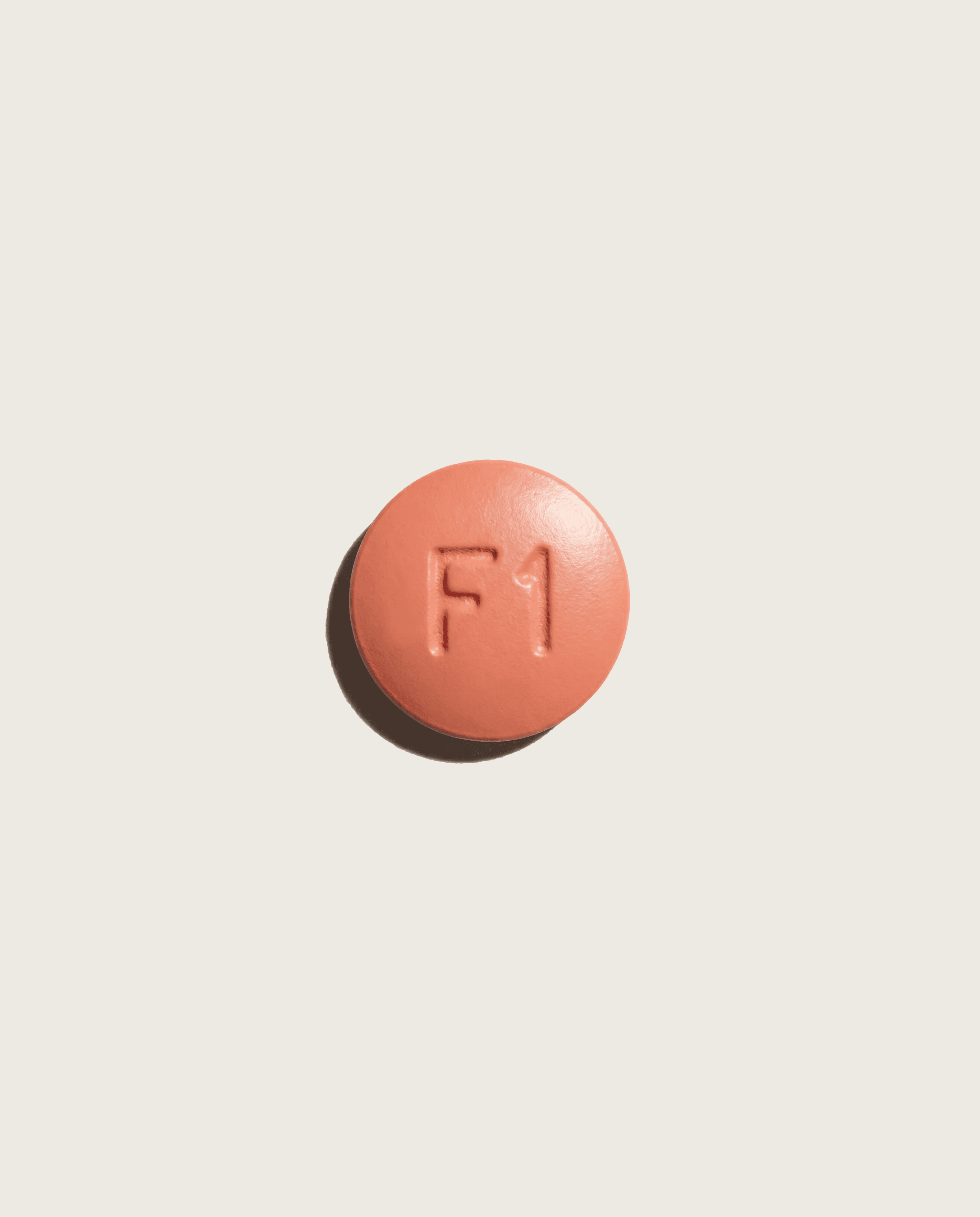
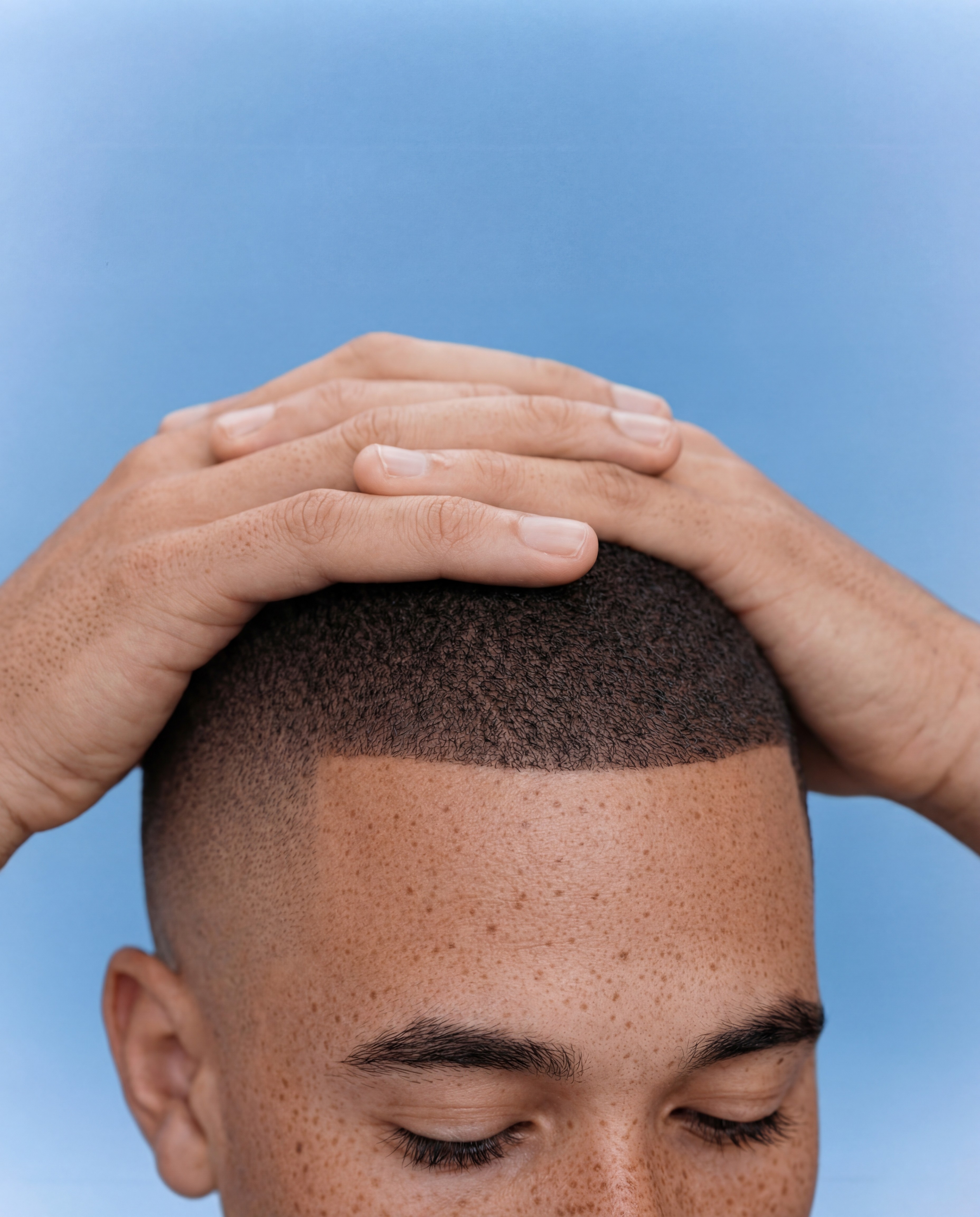
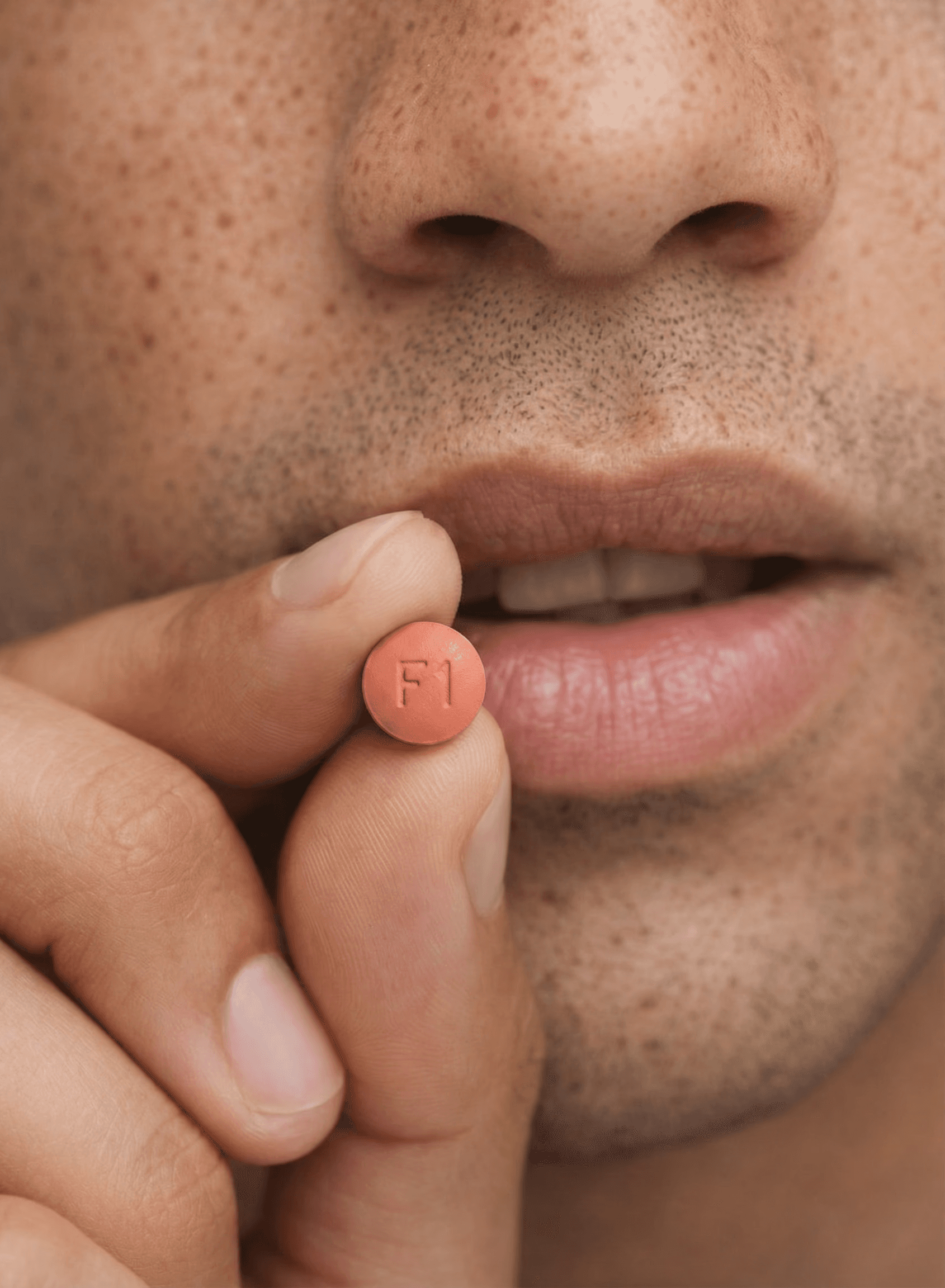
Finasteride
1MG TABLETS |
FROM
€28
PER MONTH
Finasteride blocks DHT production - the hormone that causes hair loss. It stimulates regrowth and prevents further loss. Works even better in combination with Minoxidil.
" transform="translate(2 2)" width="15px"/><path d="M 0 4.5 L 0 0" fill="transparent" height="4.5px" id="NEO_gbJSu" stroke-dasharray="" stroke-linecap="square" stroke-linejoin="round" stroke-width="1" stroke="rgb(24, 24, 24)" transform="translate(9.5 6)" width="1px"/><path d="M 3 0 L 0 0" fill="transparent" height="1px" id="AMEFtKAje" stroke-dasharray="" stroke-linecap="square" stroke-linejoin="round" stroke-width="1" stroke="rgb(24, 24, 24)" transform="translate(9.5 10.5)" width="3px"/></g></g></svg>)
Proven effective in 8 out of 10 men
" transform="translate(2.375 2.375)" width="14.25px"/><path d="M 0 1.583 C 0 2.003 0.167 2.406 0.464 2.703 C 0.761 3 1.163 3.167 1.583 3.167 C 2.003 3.167 2.406 3 2.703 2.703 C 3 2.406 3.167 2.003 3.167 1.583 C 3.167 1.163 3 0.761 2.703 0.464 C 2.406 0.167 2.003 0 1.583 0 C 1.163 0 0.761 0.167 0.464 0.464 C 0.167 0.761 0 1.163 0 1.583 Z" fill="transparent" height="3.16667px" id="FjNPo97eX" stroke-dasharray="" stroke-linecap="square" stroke-linejoin="round" stroke-width="1" stroke="rgb(24, 24, 24)" transform="translate(5.543 5.543)" width="3.16667px"/><path d="M 0 1.583 C 0 2.003 0.167 2.406 0.464 2.703 C 0.761 3 1.163 3.167 1.583 3.167 C 2.003 3.167 2.406 3 2.703 2.703 C 3 2.406 3.167 2.003 3.167 1.583 C 3.167 1.163 3 0.761 2.703 0.464 C 2.406 0.167 2.003 0 1.583 0 C 1.163 0 0.761 0.167 0.464 0.464 C 0.167 0.761 0 1.163 0 1.583 Z" fill="transparent" height="3.1666700000000003px" id="X0PIGcfjy" stroke-dasharray="" stroke-linecap="square" stroke-linejoin="round" stroke-width="1" stroke="rgb(24, 24, 24)" transform="translate(13.461 3.957)" width="3.1667000000000005px"/><path d="M 0 1.583 C 0 2.003 0.167 2.406 0.464 2.703 C 0.761 3 1.163 3.167 1.583 3.167 C 2.003 3.167 2.406 3 2.703 2.703 C 3 2.406 3.167 2.003 3.167 1.583 C 3.167 1.163 3 0.761 2.703 0.464 C 2.406 0.167 2.003 0 1.583 0 C 1.163 0 0.761 0.167 0.464 0.464 C 0.167 0.761 0 1.163 0 1.583 Z" fill="transparent" height="3.1666000000000007px" id="d7F_rrdSp" stroke-dasharray="" stroke-linecap="square" stroke-linejoin="round" stroke-width="1" stroke="rgb(24, 24, 24)" transform="translate(9.5 10.293)" width="3.1667000000000005px"/><path d="M 0 0 L 1.852 2.28" fill="transparent" height="2.2799499999999995px" id="L79Jj3eQc" stroke-dasharray="" stroke-linecap="square" stroke-linejoin="round" stroke-width="1" stroke="rgb(24, 24, 24)" transform="translate(8.043 8.406)" width="1.8524999999999991px"/><path d="M 0 3.631 L 2.246 0" fill="transparent" height="3.6305799999999993px" id="J2HeJBV7d" stroke-dasharray="" stroke-linecap="square" stroke-linejoin="round" stroke-width="1" stroke="rgb(24, 24, 24)" transform="translate(11.945 6.92)" width="2.2460000000000004px"/></g></g></svg>)
One tablet per day, easy to use
" transform="translate(3.961 3.957)" width="11.083359999999999px"/><path d="M 0 1.583 C 0 1.163 0.167 0.761 0.464 0.464 C 0.761 0.167 1.163 0 1.583 0 L 3.167 0 C 3.587 0 3.989 0.167 4.286 0.464 C 4.583 0.761 4.75 1.163 4.75 1.583 C 4.75 2.003 4.583 2.406 4.286 2.703 C 3.989 3 3.587 3.167 3.167 3.167 L 1.583 3.167 C 1.163 3.167 0.761 3 0.464 2.703 C 0.167 2.406 0 2.003 0 1.583 Z" fill="transparent" height="3.16667px" id="dMi0IM4dJ" stroke-dasharray="" stroke-linecap="square" stroke-linejoin="round" stroke-width="1" stroke="rgb(24, 24, 24)" transform="translate(7.125 2.375)" width="4.75px"/><path d="M 0 3.167 L 0 0" fill="transparent" height="3.1666000000000007px" id="WqPwPty2d" stroke-dasharray="" stroke-linecap="square" stroke-linejoin="round" stroke-width="1" stroke="rgb(24, 24, 24)" transform="translate(7.125 10.293)" width="1px"/><path d="M 0 0.792 L 0 0" fill="transparent" height="1px" id="ncZUXG8p0" stroke-dasharray="" stroke-linecap="square" stroke-linejoin="round" stroke-width="1" stroke="rgb(24, 24, 24)" transform="translate(9.5 12.668)" width="1px"/><path d="M 0 1.583 L 0 0" fill="transparent" height="1.5832999999999995px" id="AxiCCKPvS" stroke-dasharray="" stroke-linecap="square" stroke-linejoin="round" stroke-width="1" stroke="rgb(24, 24, 24)" transform="translate(11.875 11.875)" width="1px"/></g></g></svg>)
Results visible from 3-6 months
What is finasteride?
Answer 1
How does finasteride work?
To add a video to your site, click the “Insert” button and navigate to the “Media” section. Then, drag and drop a video component onto the Canvas.
How do I use finasteride?
To add a video to your site, click the “Insert” button and navigate to the “Media” section. Then, drag and drop a video component onto the Canvas.
What is finasteride?
To add a video to your site, click the “Insert” button and navigate to the “Media” section. Then, drag and drop a video component onto the Canvas.
How does finasteride work?
To add a video to your site, click the “Insert” button and navigate to the “Media” section. Then, drag and drop a video component onto the Canvas.
How do I use finasteride?
I am very satisfied. Finally something that works. No more food noise in my head!
WEIGHT LOSS
Michiel
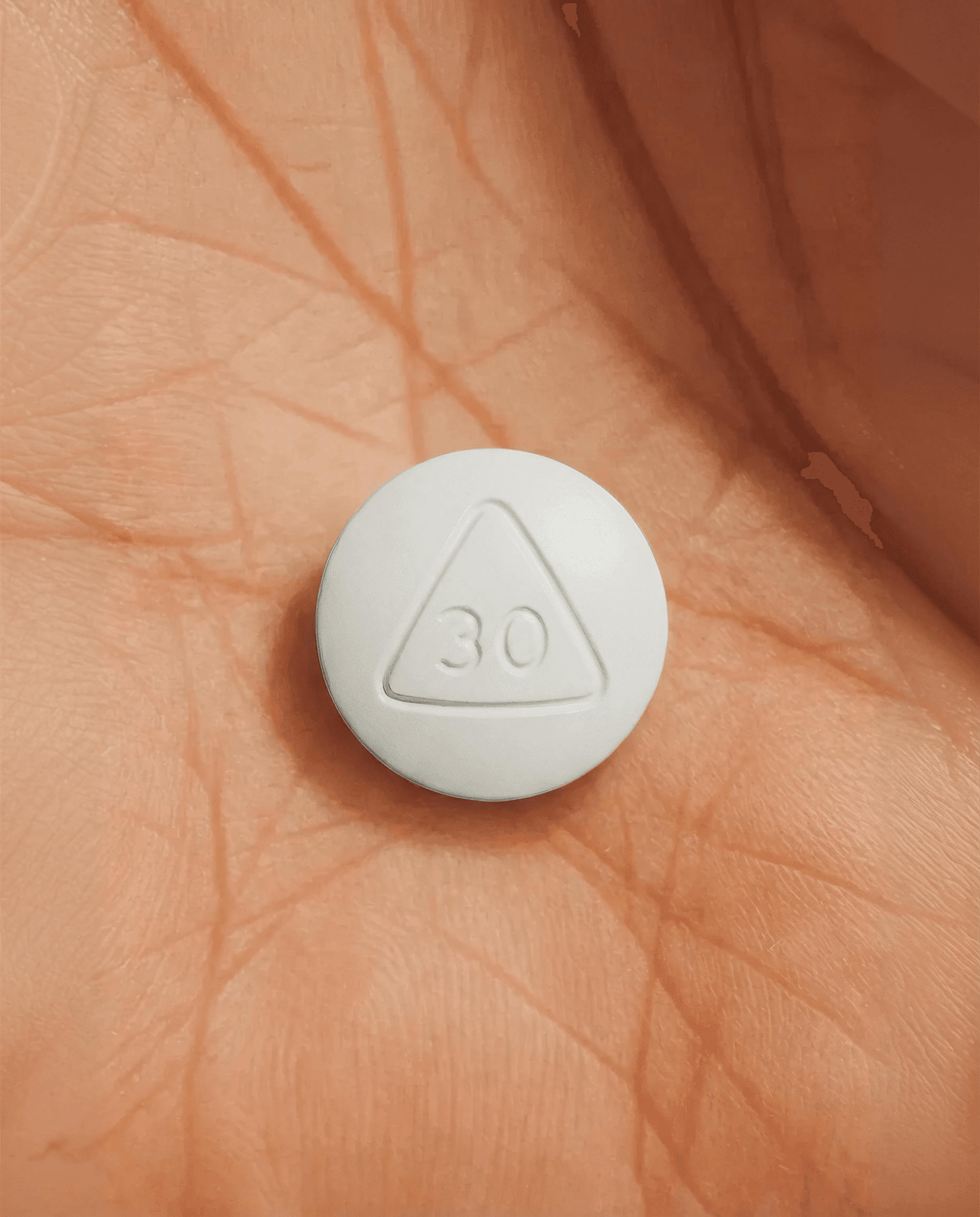
The entire process was smooth. Wel informed, pleasant communication, direct line to the doctor with questions.
PREMATURE EJACULATION
Bas
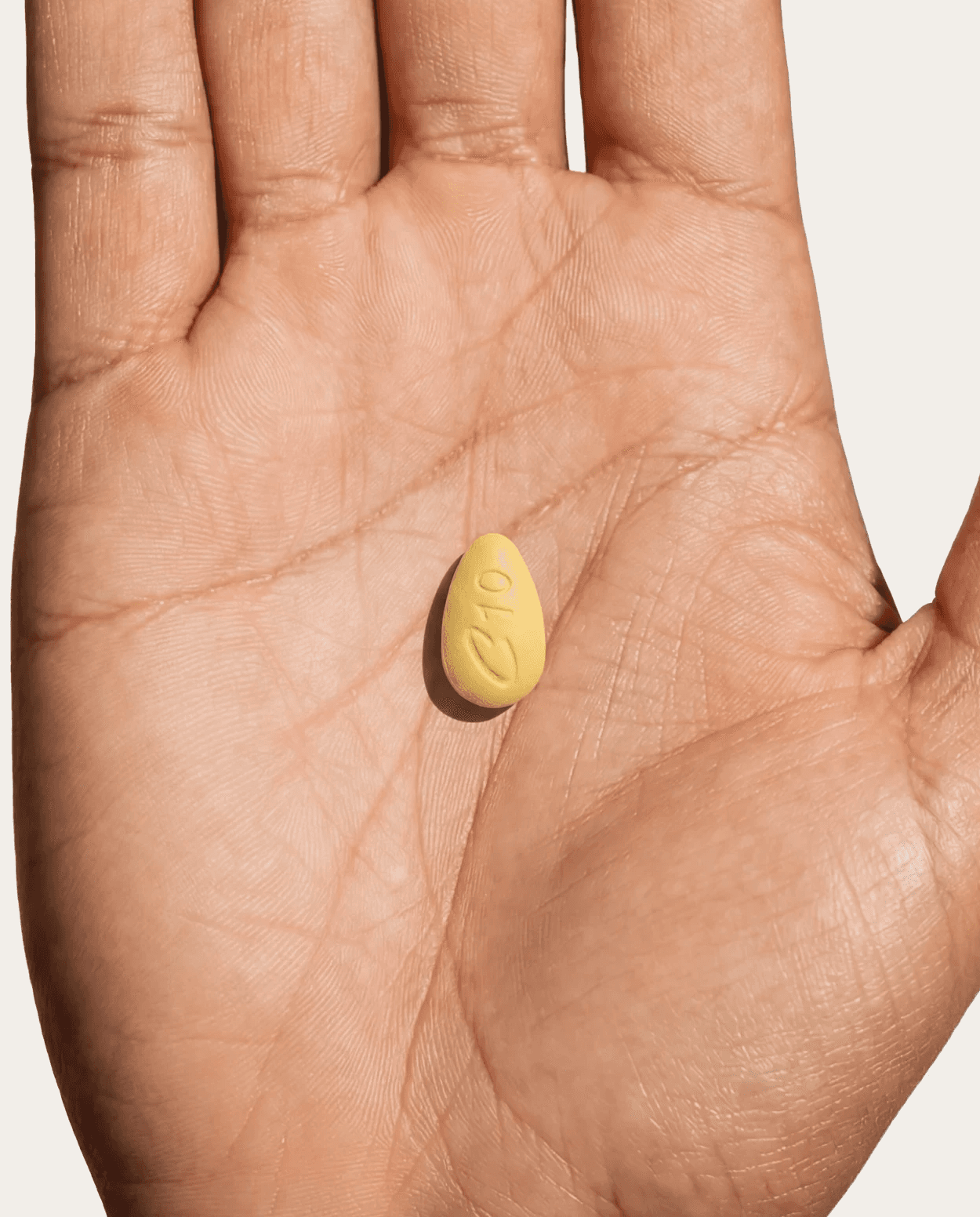
I was really amazed by how professional this service is. It helped me tremendously. Recommended!
ERECTILE DYSFUNCTION
Otto
I am very satisfied. Finally something that works. No more food noise in my head!
WEIGHT LOSS
Michiel
The entire process was smooth. Wel informed, pleasant communication, direct line to the doctor with questions.
PREMATURE EJACULATION
Bas
I was really amazed by how professional this service is. It helped me tremendously. Recommended!
ERECTILE DYSFUNCTION
Otto
Questions? Check our FAQ for answers to frequently asked questions.
When will I see results from finasteride?
The first results of finasteride are usually visible after 3 to 6 months of daily use. During this period, you will notice that less hair is falling out. After 6 to 12 months, you often see new hair growth, especially at the crown. The best and most complete results are usually achieved after 1 to 2 years of continuous use. Keep in mind that hair growth is a slow process - patience is essential. Some men experience temporarily more hair loss in the first few months; this is normal and a sign that the medication is working.
Is finasteride right for me?
Finasteride is suitable for men aged 18 and older with mild to moderate hair loss. It works best in the early stages of hair loss, especially with thinning at the crown and the top of the scalp. Finasteride is not suitable for women. It is also not suitable if you are allergic to finasteride or if you are actively planning to have children. Always discuss with a doctor first whether finasteride is the right treatment for you.
What are the possible side effects of finasteride?
Most men do not experience side effects from finasteride. Possible side effects occur in about 1-2% of users and may include: reduced libido, erectile dysfunction, or lower ejaculation volume (more often with higher doses than 1mg, used for prostate issues). These side effects usually subside over time or upon discontinuation of the medication. Even less common side effects include breast tenderness, allergic reactions, testicular pain, temporarily reduced fertility (very rare, reversible upon stopping), and mood swings or depression. If you experience severe side effects, such as signs of an allergic reaction, depression, or changes in breast tissue, discontinue finasteride immediately and contact a doctor. Most men use finasteride without problems.
What happens if I stop taking finasteride?
If you stop taking finasteride, the hair loss process will resume. The new hair growth you achieved during treatment will gradually disappear within 6 to 12 months after stopping. This is because the medicine no longer suppresses DHT production, allowing the hormone to resume its harmful effects on hair follicles. Therefore, it is important to continue using finasteride for a lasting effect. Considering stopping? Discuss this with your doctor first to create an appropriate treatment plan.
Does finasteride work better than minoxidil?
Finasteride and minoxidil both effectively combat hair loss, but in different ways. Finasteride addresses the cause by blocking DHT production, while minoxidil improves blood flow to the hair follicles, stimulating hair growth. Studies show that finasteride is effective in about 83% of men, while minoxidil works in about 60%. Finasteride is especially effective for loss at the crown and hairline, while minoxidil works better for diffuse hair loss. Many men opt for a combination of both, as the treatments enhance each other and yield better results. Studies indicate that as many as 94% of men see improvement.
Should I continue using finasteride?
Yes, to achieve lasting results, it is necessary to use finasteride continuously. Finasteride actively inhibits DHT production, but as soon as you stop, your body resumes this production. The positive effects you have achieved - such as reduced hair loss and new hair growth - will fade within six months to a year. Many men use finasteride for years without problems. It is a long-term treatment, similar to medication for high blood pressure or cholesterol. Do you want to stop or take a break? Always discuss this with a doctor first.
Can I combine finasteride with other treatments?
Yes, finasteride can be safely combined with other hair loss treatments. The most common and effective combination is finasteride with minoxidil. Finasteride addresses the hormonal cause, while minoxidil stimulates hair growth locally. Together they provide a stronger effect than either treatment alone. Many men see excellent results with this combination. Finasteride can also be combined with hair supplements or ketoconazole shampoo. Always discuss with a doctor which combination is best for your situation and whether there may be interactions with other medications you are using.
How effective is finasteride for hair loss?
Finasteride is one of the most effective treatments for male pattern baldness. Clinical studies show that finasteride prevents or slows hair loss in about 83% of men. In about 65% of users, it also stimulates actual hair growth. The medication works best for men with mild to moderate hair loss, especially at the crown. In cases of advanced baldness, the results are less spectacular, but finasteride can still halt further decline. Its effectiveness increases the longer you use it, with the best results seen after 1-2 years.
Can finasteride completely cure hair loss?
Finasteride is not a treatment for male baldness, but a therapy that slows down and often reverses the process. It can maintain existing hair, stimulate new growth, and partially fill in bald spots. However, it cannot bring back all lost hair, especially if hair follicles have been inactive for years. Finasteride works best if you start early, when the follicles are still active. Continued use is required to maintain the results. Think of finasteride as a long-term treatment that keeps hair loss under control, similar to managing other chronic conditions.
Questions? Check our FAQ for answers to frequently asked questions.
When will I see results from finasteride?
The first results of finasteride are usually visible after 3 to 6 months of daily use. During this period, you will notice that less hair is falling out. After 6 to 12 months, you often see new hair growth, especially at the crown. The best and most complete results are usually achieved after 1 to 2 years of continuous use. Keep in mind that hair growth is a slow process - patience is essential. Some men experience temporarily more hair loss in the first few months; this is normal and a sign that the medication is working.
Is finasteride right for me?
Finasteride is suitable for men aged 18 and older with mild to moderate hair loss. It works best in the early stages of hair loss, especially with thinning at the crown and the top of the scalp. Finasteride is not suitable for women. It is also not suitable if you are allergic to finasteride or if you are actively planning to have children. Always discuss with a doctor first whether finasteride is the right treatment for you.
What are the possible side effects of finasteride?
Most men do not experience side effects from finasteride. Possible side effects occur in about 1-2% of users and may include: reduced libido, erectile dysfunction, or lower ejaculation volume (more often with higher doses than 1mg, used for prostate issues). These side effects usually subside over time or upon discontinuation of the medication. Even less common side effects include breast tenderness, allergic reactions, testicular pain, temporarily reduced fertility (very rare, reversible upon stopping), and mood swings or depression. If you experience severe side effects, such as signs of an allergic reaction, depression, or changes in breast tissue, discontinue finasteride immediately and contact a doctor. Most men use finasteride without problems.
What happens if I stop taking finasteride?
If you stop taking finasteride, the hair loss process will resume. The new hair growth you achieved during treatment will gradually disappear within 6 to 12 months after stopping. This is because the medicine no longer suppresses DHT production, allowing the hormone to resume its harmful effects on hair follicles. Therefore, it is important to continue using finasteride for a lasting effect. Considering stopping? Discuss this with your doctor first to create an appropriate treatment plan.
Does finasteride work better than minoxidil?
Finasteride and minoxidil both effectively combat hair loss, but in different ways. Finasteride addresses the cause by blocking DHT production, while minoxidil improves blood flow to the hair follicles, stimulating hair growth. Studies show that finasteride is effective in about 83% of men, while minoxidil works in about 60%. Finasteride is especially effective for loss at the crown and hairline, while minoxidil works better for diffuse hair loss. Many men opt for a combination of both, as the treatments enhance each other and yield better results. Studies indicate that as many as 94% of men see improvement.
Should I continue using finasteride?
Yes, to achieve lasting results, it is necessary to use finasteride continuously. Finasteride actively inhibits DHT production, but as soon as you stop, your body resumes this production. The positive effects you have achieved - such as reduced hair loss and new hair growth - will fade within six months to a year. Many men use finasteride for years without problems. It is a long-term treatment, similar to medication for high blood pressure or cholesterol. Do you want to stop or take a break? Always discuss this with a doctor first.
Can I combine finasteride with other treatments?
Yes, finasteride can be safely combined with other hair loss treatments. The most common and effective combination is finasteride with minoxidil. Finasteride addresses the hormonal cause, while minoxidil stimulates hair growth locally. Together they provide a stronger effect than either treatment alone. Many men see excellent results with this combination. Finasteride can also be combined with hair supplements or ketoconazole shampoo. Always discuss with a doctor which combination is best for your situation and whether there may be interactions with other medications you are using.
How effective is finasteride for hair loss?
Finasteride is one of the most effective treatments for male pattern baldness. Clinical studies show that finasteride prevents or slows hair loss in about 83% of men. In about 65% of users, it also stimulates actual hair growth. The medication works best for men with mild to moderate hair loss, especially at the crown. In cases of advanced baldness, the results are less spectacular, but finasteride can still halt further decline. Its effectiveness increases the longer you use it, with the best results seen after 1-2 years.
Can finasteride completely cure hair loss?
Finasteride is not a treatment for male baldness, but a therapy that slows down and often reverses the process. It can maintain existing hair, stimulate new growth, and partially fill in bald spots. However, it cannot bring back all lost hair, especially if hair follicles have been inactive for years. Finasteride works best if you start early, when the follicles are still active. Continued use is required to maintain the results. Think of finasteride as a long-term treatment that keeps hair loss under control, similar to managing other chronic conditions.
Questions? Check our FAQ for answers to frequently asked questions.
When will I see results from finasteride?
The first results of finasteride are usually visible after 3 to 6 months of daily use. During this period, you will notice that less hair is falling out. After 6 to 12 months, you often see new hair growth, especially at the crown. The best and most complete results are usually achieved after 1 to 2 years of continuous use. Keep in mind that hair growth is a slow process - patience is essential. Some men experience temporarily more hair loss in the first few months; this is normal and a sign that the medication is working.
Is finasteride right for me?
Finasteride is suitable for men aged 18 and older with mild to moderate hair loss. It works best in the early stages of hair loss, especially with thinning at the crown and the top of the scalp. Finasteride is not suitable for women. It is also not suitable if you are allergic to finasteride or if you are actively planning to have children. Always discuss with a doctor first whether finasteride is the right treatment for you.
What are the possible side effects of finasteride?
Most men do not experience side effects from finasteride. Possible side effects occur in about 1-2% of users and may include: reduced libido, erectile dysfunction, or lower ejaculation volume (more often with higher doses than 1mg, used for prostate issues). These side effects usually subside over time or upon discontinuation of the medication. Even less common side effects include breast tenderness, allergic reactions, testicular pain, temporarily reduced fertility (very rare, reversible upon stopping), and mood swings or depression. If you experience severe side effects, such as signs of an allergic reaction, depression, or changes in breast tissue, discontinue finasteride immediately and contact a doctor. Most men use finasteride without problems.
What happens if I stop taking finasteride?
If you stop taking finasteride, the hair loss process will resume. The new hair growth you achieved during treatment will gradually disappear within 6 to 12 months after stopping. This is because the medicine no longer suppresses DHT production, allowing the hormone to resume its harmful effects on hair follicles. Therefore, it is important to continue using finasteride for a lasting effect. Considering stopping? Discuss this with your doctor first to create an appropriate treatment plan.
Does finasteride work better than minoxidil?
Finasteride and minoxidil both effectively combat hair loss, but in different ways. Finasteride addresses the cause by blocking DHT production, while minoxidil improves blood flow to the hair follicles, stimulating hair growth. Studies show that finasteride is effective in about 83% of men, while minoxidil works in about 60%. Finasteride is especially effective for loss at the crown and hairline, while minoxidil works better for diffuse hair loss. Many men opt for a combination of both, as the treatments enhance each other and yield better results. Studies indicate that as many as 94% of men see improvement.
Should I continue using finasteride?
Yes, to achieve lasting results, it is necessary to use finasteride continuously. Finasteride actively inhibits DHT production, but as soon as you stop, your body resumes this production. The positive effects you have achieved - such as reduced hair loss and new hair growth - will fade within six months to a year. Many men use finasteride for years without problems. It is a long-term treatment, similar to medication for high blood pressure or cholesterol. Do you want to stop or take a break? Always discuss this with a doctor first.
Can I combine finasteride with other treatments?
Yes, finasteride can be safely combined with other hair loss treatments. The most common and effective combination is finasteride with minoxidil. Finasteride addresses the hormonal cause, while minoxidil stimulates hair growth locally. Together they provide a stronger effect than either treatment alone. Many men see excellent results with this combination. Finasteride can also be combined with hair supplements or ketoconazole shampoo. Always discuss with a doctor which combination is best for your situation and whether there may be interactions with other medications you are using.
How effective is finasteride for hair loss?
Finasteride is one of the most effective treatments for male pattern baldness. Clinical studies show that finasteride prevents or slows hair loss in about 83% of men. In about 65% of users, it also stimulates actual hair growth. The medication works best for men with mild to moderate hair loss, especially at the crown. In cases of advanced baldness, the results are less spectacular, but finasteride can still halt further decline. Its effectiveness increases the longer you use it, with the best results seen after 1-2 years.
Can finasteride completely cure hair loss?
Finasteride is not a treatment for male baldness, but a therapy that slows down and often reverses the process. It can maintain existing hair, stimulate new growth, and partially fill in bald spots. However, it cannot bring back all lost hair, especially if hair follicles have been inactive for years. Finasteride works best if you start early, when the follicles are still active. Continued use is required to maintain the results. Think of finasteride as a long-term treatment that keeps hair loss under control, similar to managing other chronic conditions.
Questions? Check our FAQ for answers to frequently asked questions.
When will I see results from finasteride?
The first results of finasteride are usually visible after 3 to 6 months of daily use. During this period, you will notice that less hair is falling out. After 6 to 12 months, you often see new hair growth, especially at the crown. The best and most complete results are usually achieved after 1 to 2 years of continuous use. Keep in mind that hair growth is a slow process - patience is essential. Some men experience temporarily more hair loss in the first few months; this is normal and a sign that the medication is working.
Is finasteride right for me?
Finasteride is suitable for men aged 18 and older with mild to moderate hair loss. It works best in the early stages of hair loss, especially with thinning at the crown and the top of the scalp. Finasteride is not suitable for women. It is also not suitable if you are allergic to finasteride or if you are actively planning to have children. Always discuss with a doctor first whether finasteride is the right treatment for you.
What are the possible side effects of finasteride?
Most men do not experience side effects from finasteride. Possible side effects occur in about 1-2% of users and may include: reduced libido, erectile dysfunction, or lower ejaculation volume (more often with higher doses than 1mg, used for prostate issues). These side effects usually subside over time or upon discontinuation of the medication. Even less common side effects include breast tenderness, allergic reactions, testicular pain, temporarily reduced fertility (very rare, reversible upon stopping), and mood swings or depression. If you experience severe side effects, such as signs of an allergic reaction, depression, or changes in breast tissue, discontinue finasteride immediately and contact a doctor. Most men use finasteride without problems.
What happens if I stop taking finasteride?
If you stop taking finasteride, the hair loss process will resume. The new hair growth you achieved during treatment will gradually disappear within 6 to 12 months after stopping. This is because the medicine no longer suppresses DHT production, allowing the hormone to resume its harmful effects on hair follicles. Therefore, it is important to continue using finasteride for a lasting effect. Considering stopping? Discuss this with your doctor first to create an appropriate treatment plan.
Does finasteride work better than minoxidil?
Finasteride and minoxidil both effectively combat hair loss, but in different ways. Finasteride addresses the cause by blocking DHT production, while minoxidil improves blood flow to the hair follicles, stimulating hair growth. Studies show that finasteride is effective in about 83% of men, while minoxidil works in about 60%. Finasteride is especially effective for loss at the crown and hairline, while minoxidil works better for diffuse hair loss. Many men opt for a combination of both, as the treatments enhance each other and yield better results. Studies indicate that as many as 94% of men see improvement.
Should I continue using finasteride?
Yes, to achieve lasting results, it is necessary to use finasteride continuously. Finasteride actively inhibits DHT production, but as soon as you stop, your body resumes this production. The positive effects you have achieved - such as reduced hair loss and new hair growth - will fade within six months to a year. Many men use finasteride for years without problems. It is a long-term treatment, similar to medication for high blood pressure or cholesterol. Do you want to stop or take a break? Always discuss this with a doctor first.
Can I combine finasteride with other treatments?
Yes, finasteride can be safely combined with other hair loss treatments. The most common and effective combination is finasteride with minoxidil. Finasteride addresses the hormonal cause, while minoxidil stimulates hair growth locally. Together they provide a stronger effect than either treatment alone. Many men see excellent results with this combination. Finasteride can also be combined with hair supplements or ketoconazole shampoo. Always discuss with a doctor which combination is best for your situation and whether there may be interactions with other medications you are using.
How effective is finasteride for hair loss?
Finasteride is one of the most effective treatments for male pattern baldness. Clinical studies show that finasteride prevents or slows hair loss in about 83% of men. In about 65% of users, it also stimulates actual hair growth. The medication works best for men with mild to moderate hair loss, especially at the crown. In cases of advanced baldness, the results are less spectacular, but finasteride can still halt further decline. Its effectiveness increases the longer you use it, with the best results seen after 1-2 years.
Can finasteride completely cure hair loss?
Finasteride is not a treatment for male baldness, but a therapy that slows down and often reverses the process. It can maintain existing hair, stimulate new growth, and partially fill in bald spots. However, it cannot bring back all lost hair, especially if hair follicles have been inactive for years. Finasteride works best if you start early, when the follicles are still active. Continued use is required to maintain the results. Think of finasteride as a long-term treatment that keeps hair loss under control, similar to managing other chronic conditions.
Do you want to
read more about it?
Do you want to
read more about it?
Do you want to
read more about it?
Do you want to
read more about it?