Erectile dysfunction
Why Can't I Get an Erection? Causes of Erectile Problems
Erection problems rarely have a single cause - most often, multiple factors play a role at the same time. From cardiovascular disease to diabetes, from stress to medication use. Research shows that around 20% of men are affected at some point in their lives¹. The good news: most causes are highly treatable. Whether through lifestyle changes, stress reduction, or medication such as sildenafil and tadalafil, which improve blood flow. The first step is understanding what’s going on in your case, so you can find the right solution.
LAST UPDATE
MEDICALLY REVIEWED BY
Romke Brada, general practitioner
TIME
5 min
read
KEY WORDS
• Why can’t I get an erection • Causes of erection problems • Causes of erectile dysfunction • Erectile dysfunction causes • Explanation of erection problems
How does an erection work?
To understand why erection problems occur, it’s important to first understand how an erection works. An erection is the result of a complex interaction between your nervous system, blood vessels, hormones, and psychological state.
When you become sexually aroused, nerves in your brain send signals to your penis. These signals cause the muscles in the blood vessels of the penis to relax, allowing more blood to flow into the spongy tissue of the penis - the corpora cavernosa. As these structures fill with blood, the penis becomes larger and firmer.
At the same time, other mechanisms ensure that the blood is retained in the penis so the erection can be maintained during sex. After orgasm or when arousal decreases, the blood flows out and the penis becomes soft again. This entire process is sensitive to disruption. If something goes wrong with your blood vessels, nerves, hormones, or mental state, erection problems can occur. Let’s review the main causes.
Physical causes: cardiovascular disease
Cardiovascular disease is one of the most common physical causes of erection problems. That’s not surprising - an erection depends entirely on good blood flow. If your blood vessels are damaged or narrowed, not enough blood can reach the penis.
Conditions such as atherosclerosis, high blood pressure, and heart disease damage the walls of the blood vessels. In atherosclerosis, cholesterol and other substances build up in the vessel walls, narrowing them and restricting blood flow - not only to the heart, but also to the penis.
Interestingly, erection problems are often an early warning sign of cardiovascular disease. Because the blood vessels in the penis are smaller than those in the heart, they are affected earlier by narrowing. Erection problems can therefore indicate a broader health issue that requires attention.
Diabetes and hormonal problems
Diabetes is another major cause of erection problems. Men with diabetes have a significantly higher risk of erectile dysfunction¹. This is because long-term elevated blood sugar levels can damage both blood vessels and nerves.
Nerve damage (neuropathy) caused by diabetes can interfere with the signals sent from the brain to the penis. Vascular damage reduces blood flow. Both make it more difficult to achieve and maintain an erection.
Hormonal issues also play a role. Low testosterone levels can reduce sexual desire (libido) and contribute to erection problems. Testosterone is important for both sexual drive and the physiological mechanisms involved in erections. Hormonal disorders such as an underactive thyroid can also contribute.
Overweight and obesity
Being overweight or obese significantly increases the risk of erection problems. Research shows that weight loss and increased physical activity can lead to significant improvements in erectile function².
Overweight contributes to erection problems through several mechanisms. First, it increases the risk of diabetes and cardiovascular disease - both major causes of erectile dysfunction. Second, excess body fat promotes inflammation, which can damage blood vessels.
Additionally, overweight affects hormone balance. In men with excess body fat, more testosterone is converted into estrogen, leading to lower testosterone levels. This reduces sexual desire and can worsen erection problems.
The good news: lifestyle changes really do make a difference. Regular physical activity improves not only fitness and weight, but also erectile function⁶.
Lifestyle factors: smoking, alcohol, and drugs
Daily habits have a major impact on erectile function. Smoking, excessive alcohol consumption, and drug use are all harmful to sexual health.
Smoking damages blood vessels by harming their inner lining and reducing circulation. This limits blood flow to the penis. Smoking also reduces the production of nitric oxide - a substance essential for relaxing blood vessels in the penis.
Alcohol has a depressant effect on the nervous system. A few drinks may lower inhibitions, but excessive alcohol disrupts the nerves and hormones needed for an erection. Long-term heavy alcohol use can permanently damage nerves and blood vessels.
Sleep also plays an important role. Too little sleep negatively affects testosterone levels and increases stress, both of which can contribute to erection problems⁴.
Psychological causes
Not all erection problems are physical. Psychological factors play a major role for many men. Research shows that 9–25% of men experience performance anxiety³, which directly affects erectile function.
Stress and performance pressure are among the most common psychological causes. When you’re stressed, your body produces more cortisol and adrenaline - stress hormones that can restrict blood flow to the penis. Worrying about sexual performance can create a vicious cycle: fear of failure makes it even harder to get an erection.
Anxiety disorders and depression also have a significant impact on sexual function⁵. Depression lowers libido and reduces interest in sex, while anxiety causes physical tension that restricts blood flow.
Relationship problems can also contribute. Emotional distance, poor communication, or unresolved conflicts may reduce arousal and lead to erection problems⁷. Open communication with your partner is essential in these cases.
Medication as a cause
Certain medications can cause erection problems as a side effect - something many men are unaware of. Medications most commonly associated with erection problems include:
• Blood pressure medications (especially beta blockers)
• Antidepressants (particularly SSRIs)
• Sleeping pills and sedatives
• Medications for prostate conditions
• Certain painkillers when used long term
These medications can affect nerves, blood circulation, or hormone balance. If you suspect your medication is contributing to erection problems, discuss this with your doctor. Alternatives with fewer side effects are often available. Never stop taking medication without consulting your doctor.
Multiple causes at the same time
In practice, erection problems rarely have just one cause. Most often, several factors are involved simultaneously. For example, a man may be slightly overweight (increasing vascular risk), drink too much alcohol occasionally, and experience work-related stress.
These factors reinforce each other. Physical issues can lead to psychological concerns: if erection problems occur a few times due to alcohol, performance anxiety may develop and worsen the issue. Conversely, psychological stress can have physical effects on blood pressure and hormone levels.
That’s why it’s important to take a comprehensive view of your situation. A doctor or sexologist can help identify all contributing factors and develop a treatment plan tailored to you. This may include a combination of lifestyle changes, medication, and psychological support.
The next step
Erection problems can have many different causes - from cardiovascular disease to stress, from diabetes to medication use. Fortunately, most causes are treatable. The first step is identifying what applies to you.
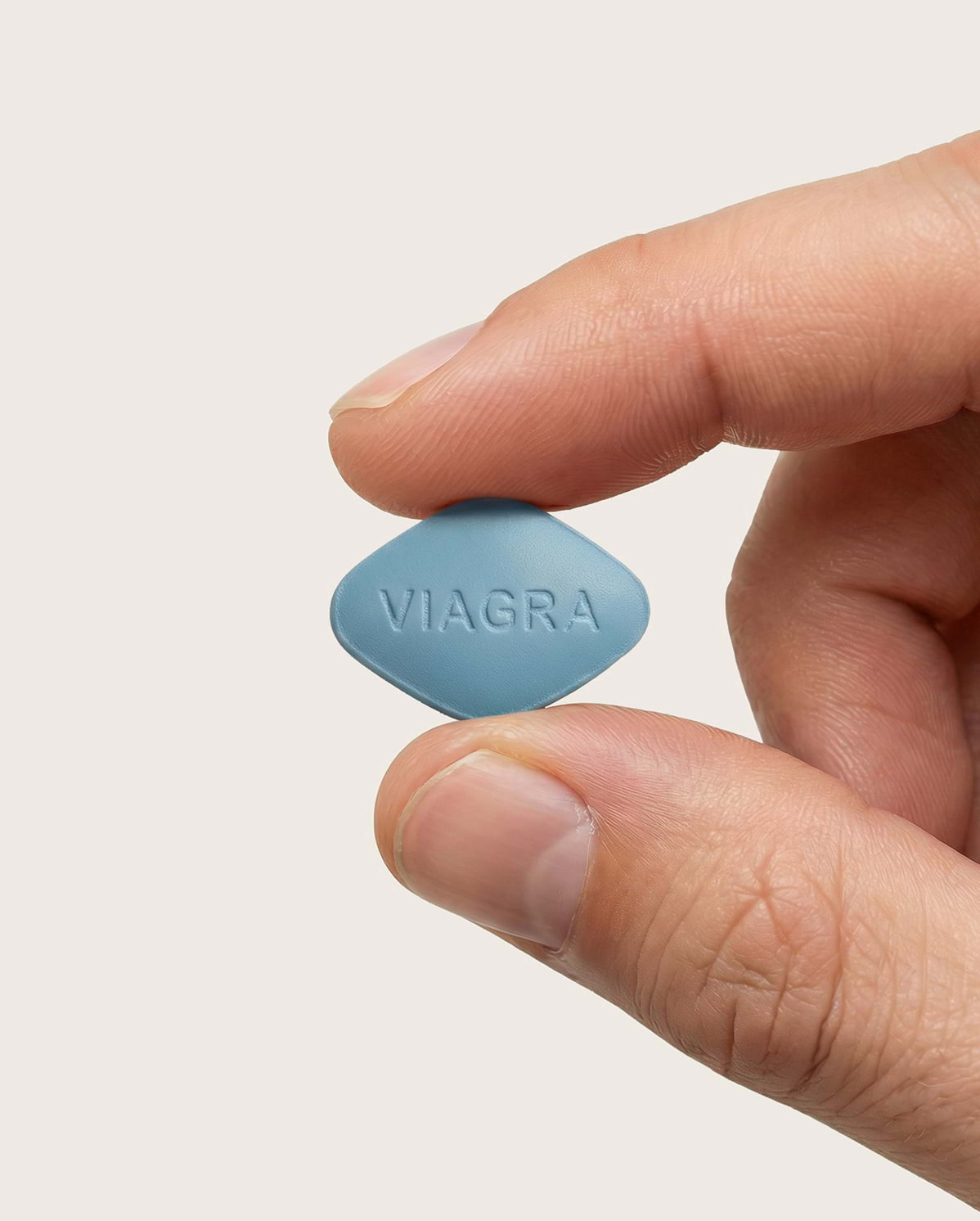
For psychological causes, relaxation techniques such as breathing exercises may help⁸. For physical causes, lifestyle changes are often effective. If these measures aren’t sufficient, medication can help. Sildenafil (Viagra) and tadalafil (Cialis) are proven, effective treatments that improve blood flow to the penis and work in 70–80% of users.
At Menkind, you can receive discreet, online support from registered doctors who can help you find the right solution - whether that’s lifestyle advice, medication such as sildenafil or tadalafil, or a combination of treatments.
References
1. Saigal, C. S., et al. (2006). Predictors and prevalence of erectile dysfunction in a racially diverse population. Archives of Internal Medicine, 166(2), 207-212. https://pubmed.ncbi.nlm.nih.gov/16432090/
2. Esposito, K., et al. (2004). Effect of lifestyle changes on erectile dysfunction in obese men: a randomized controlled trial. JAMA, 291(24), 2978-2984. https://pubmed.ncbi.nlm.nih.gov/15213209/
3. Pyke, R. E. (2019). Sexual performance anxiety. Sexual Medicine Reviews, 7(1), 1-8. https://doi.org/10.1016/j.sxmr.2019.07.001
4. Zhang, F., et al. (2022). Short Sleep Duration and Erectile Dysfunction: A Review of the Literature. Nature and Science of Sleep, 14, 1945-1961. https://doi.org/10.2147/NSS.S375571
5. Rowland, D. L., & van Lankveld, J. J. D. M. (2019). Anxiety and performance in sex, sport, and stage: Identifying common ground. Frontiers in Psychology, 10, 1615. https://doi.org/10.3389/fpsyg.2019.01615
6. Almuqahwi, A., et al. (2023). A Systematic Review on the Relationship Between Physical Activity and Sexual Function in Adults. Cureus, 15(12), e51307. https://doi.org/10.7759/cureus.51307
7. Yoo, H., et al. (2014). Couple communication, emotional and sexual intimacy, and relationship satisfaction. Journal of Sex & Marital Therapy, 40(4), 275-293. https://doi.org/10.1080/0092623X.2012.751072
8. Bentley, T. G. K., et al. (2023). Breathing Practices for Stress and Anxiety Reduction: Conceptual Framework of Implementation Guidelines Based on a Systematic Review of the Published Literature. Brain Sciences, 13(12), 1612. https://doi.org/10.3390/brainsci13121612