Premature ejaculation
Treatment of premature ejaculation: what are your options?
Premature ejaculation can be treated effectively using several proven approaches. Behavioral techniques such as the stop–start method and pelvic floor training can help improve control.¹˒² Topical treatments containing lidocaine or benzocaine temporarily reduce sensitivity.⁴ Medication such as dapoxetine (Priligy) has been specifically developed for premature ejaculation and can triple the time to ejaculation.⁵ Sildenafil, prescribed off-label for premature ejaculation can also be an option.⁸ Psychological therapy can address underlying anxiety or relationship-related issues.⁶ The best results are often achieved through a combination of treatments.
LAST UPDATE
MEDICALLY REVIEWED BY
Romke Brada, general practitioner
TIME
7 min
read
KEY WORDS
• Treatment of premature ejaculation • Dapoxetine (Priligy) • Treating early ejaculation • Medication for PE • Behavioral techniques for PE • Sildenafil for PE
Treatment of premature ejaculation: what are your options?
If you experience premature ejaculation, it’s reassuring to know that several effective treatment options are available. The right choice depends on your personal situation, preferences, and the severity of your symptoms.
The main treatment options include:
Behavioral techniques: exercises you can practice on your own or with your partner
Topical treatments: numbing creams or sprays that temporarily reduce penile sensitivity
Medication: proven drugs such as dapoxetine that affect the ejaculatory reflex
Psychological therapy: support for underlying psychological or relationship-related factorsMany men find that a combination of approaches works best - for example, practicing behavioral techniques while using medication, or combining topical treatments with therapy. It’s wise to start with what fits your situation best and adjust if needed.
Behavioral techniques for better control
Behavioral techniques are often a good starting point. These exercises help you gain more control over your ejaculatory reflex - without medication or devices.
Stop–start technique
With the stop–start method, you stop stimulation as soon as you feel close to ejaculation. Wait until arousal subsides, then resume stimulation. Repeating this trains your body to tolerate higher levels of arousal. You can practice this first during masturbation and later with your partner.¹
Squeeze technique
A similar method is the squeeze technique. When you are close to ejaculation, you (or your partner) gently squeeze the penis just below the glans. This temporarily reduces arousal. Like the stop–start method, this technique can be practiced gradually - first alone, then with a partner.¹
Pelvic floor training (Kegel exercises)
Your pelvic floor muscles play an important role in ejaculation. Strengthening these muscles can improve control. Kegel exercises are simple: contract the muscles as if you were trying to stop the flow of urine, hold for 3–5 seconds, then relax. Repeat 10–15 times daily.²
Behavioral techniques require patience - expect several weeks to months of regular practice before seeing results. However, they are safe, free, and can provide long-term improvement.
Topical treatments to last longer
Topical treatments are numbing agents applied directly to the penis. They temporarily reduce sensitivity, helping you last longer before ejaculation.
How do they work?
Most topical treatments contain lidocaine, benzocaine, or prilocaine - local anesthetics. They are applied to the glans and shaft 10–30 minutes before sex. Sensitivity is reduced just enough to delay ejaculation, without eliminating pleasure.⁴
Available forms
Topical treatments are available as:
• Sprays: easy to apply, fast acting
• Creams and gels: slightly slower onset but easier to dose precisely
• Wipes: convenient, discreet, and pre-dosed
Pros and cons
The main advantage is that topical treatments work quickly and are used only when needed. Side effects are usually minimal. Downsides include the need for some planning (application and waiting time) and reduced spontaneity. Numbing can also transfer to your partner unless a condom is used.⁴
Some men need to experiment to find the right dose - too little may be ineffective, while too much can reduce sensation excessively.
Medication for premature ejaculation
Medication can be very effective, particularly when behavioral techniques and topical treatments are insufficient. Several options exist, with dapoxetine specifically developed for PE.
Dapoxetine (Priligy) – the targeted solution
Dapoxetine is currently the only medication specifically approved for the treatment of premature ejaculation. It belongs to the class of SSRIs (selective serotonin reuptake inhibitors) and works by increasing serotonin levels in the nervous system, thereby delaying the ejaculatory reflex.⁵
How is dapoxetine used?
Dapoxetine is taken 1–3 hours before sex. It works quickly, and its effects last for several hours. This makes it practical: it is taken on demand, not daily. Studies show that dapoxetine can triple the time to ejaculation.⁵
Available dosages
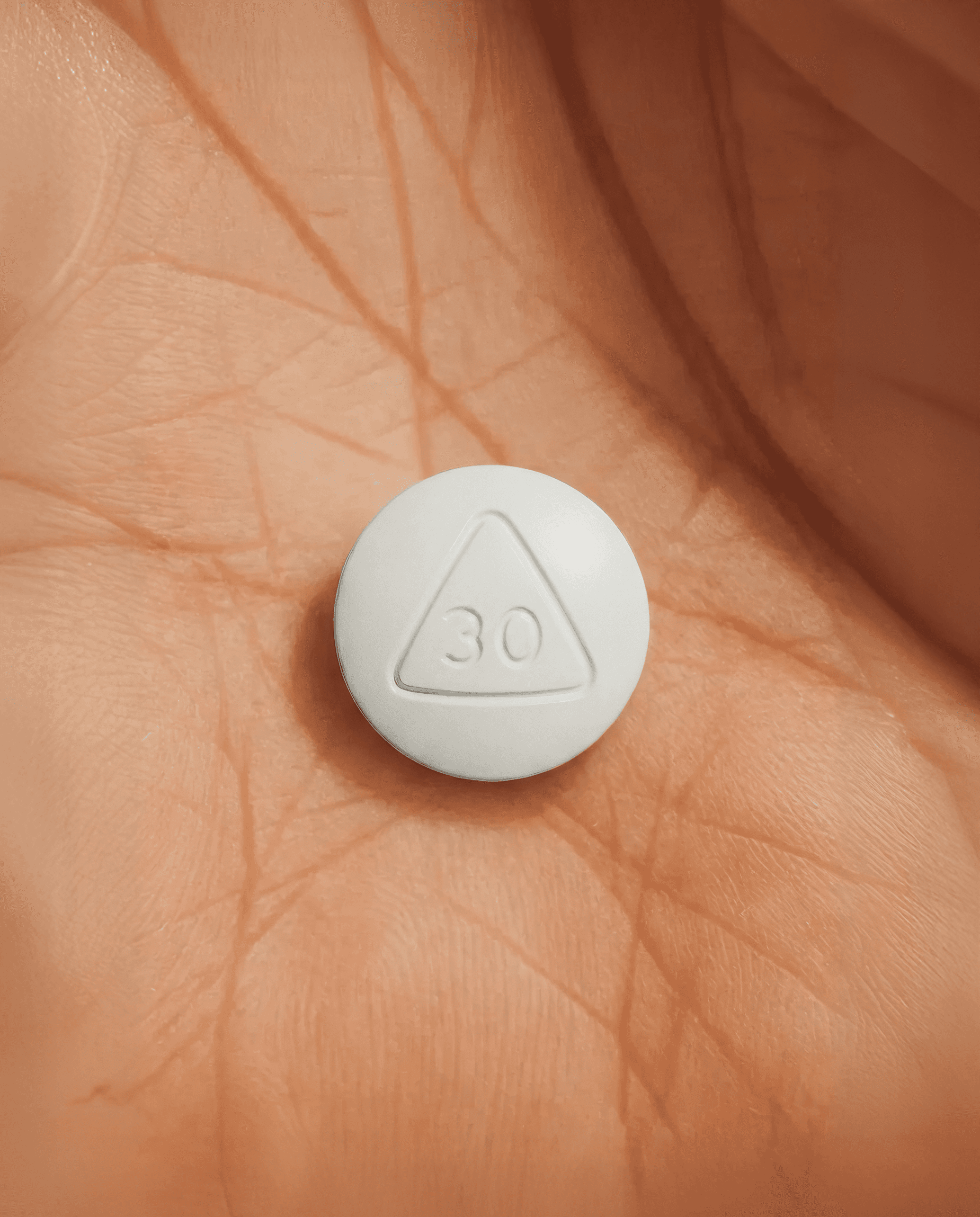
Dapoxetine is available in two strengths:
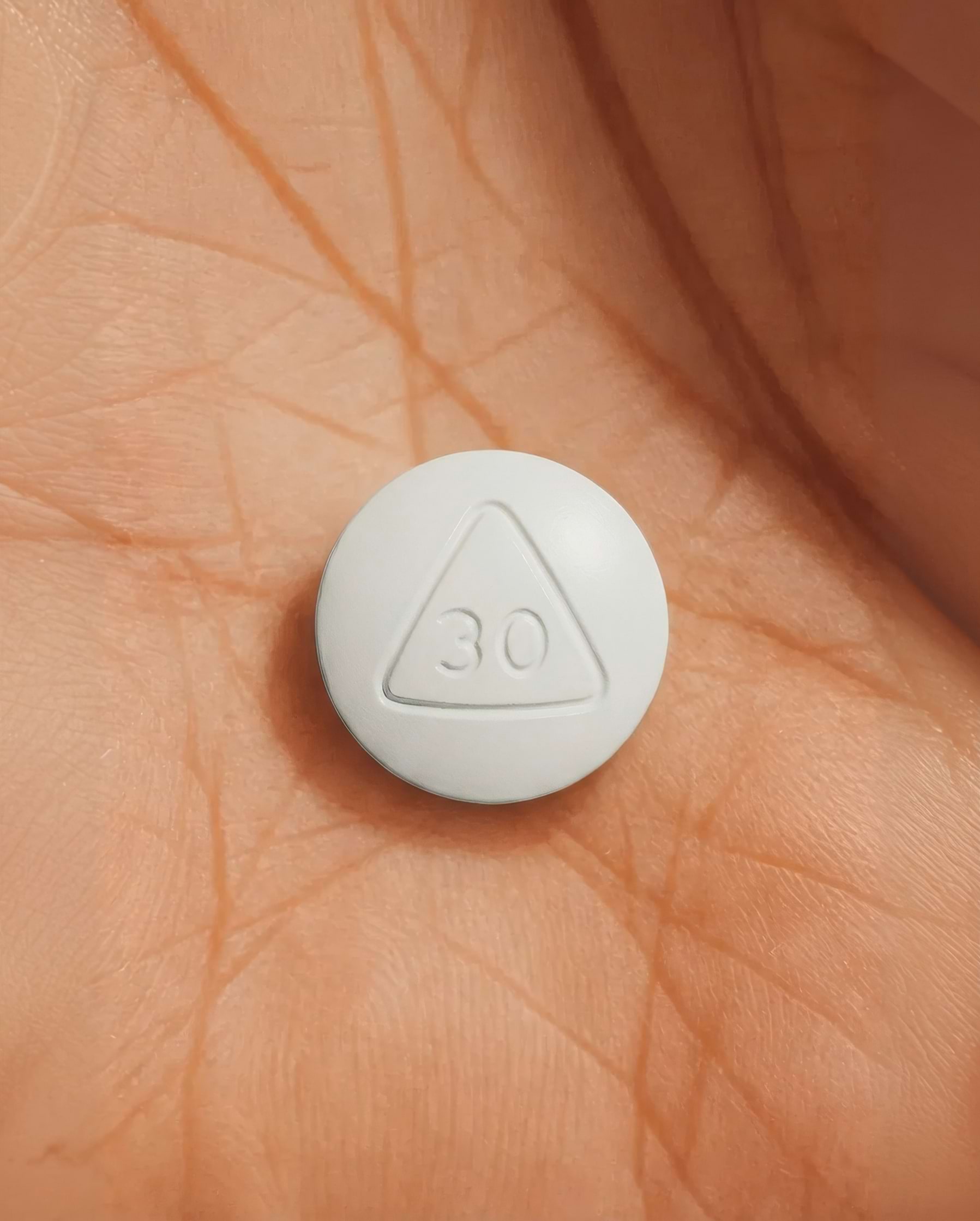
• 30 mg: the starting dose for most men
• 60 mg: for men who do not respond sufficiently to 30 mg
Your doctor will determine the most appropriate dose, usually starting with 30 mg and increasing if needed.⁵
Side effects of dapoxetine
As with any medication, dapoxetine may cause side effects. The most common are mild dizziness, headache, and nausea - especially at the beginning. These are usually mild and resolve after a few doses. Serious side effects are rare.⁵
Dapoxetine is not suitable for everyone. Men with certain heart conditions, blood pressure disorders, or those taking specific medications may not be able to use it. An online consultation with a doctor can help determine whether it is safe for you.
Sildenafil for premature ejaculation
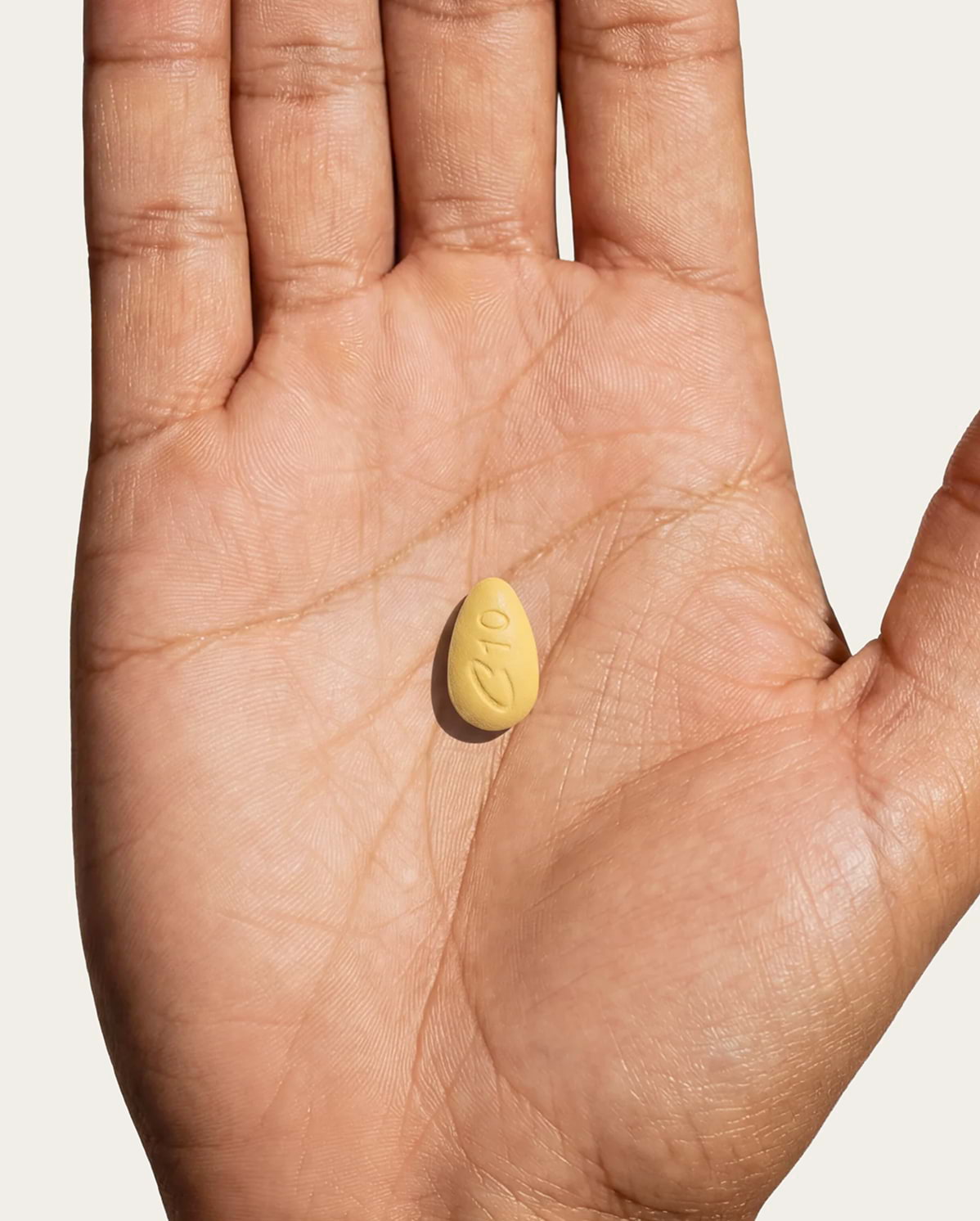
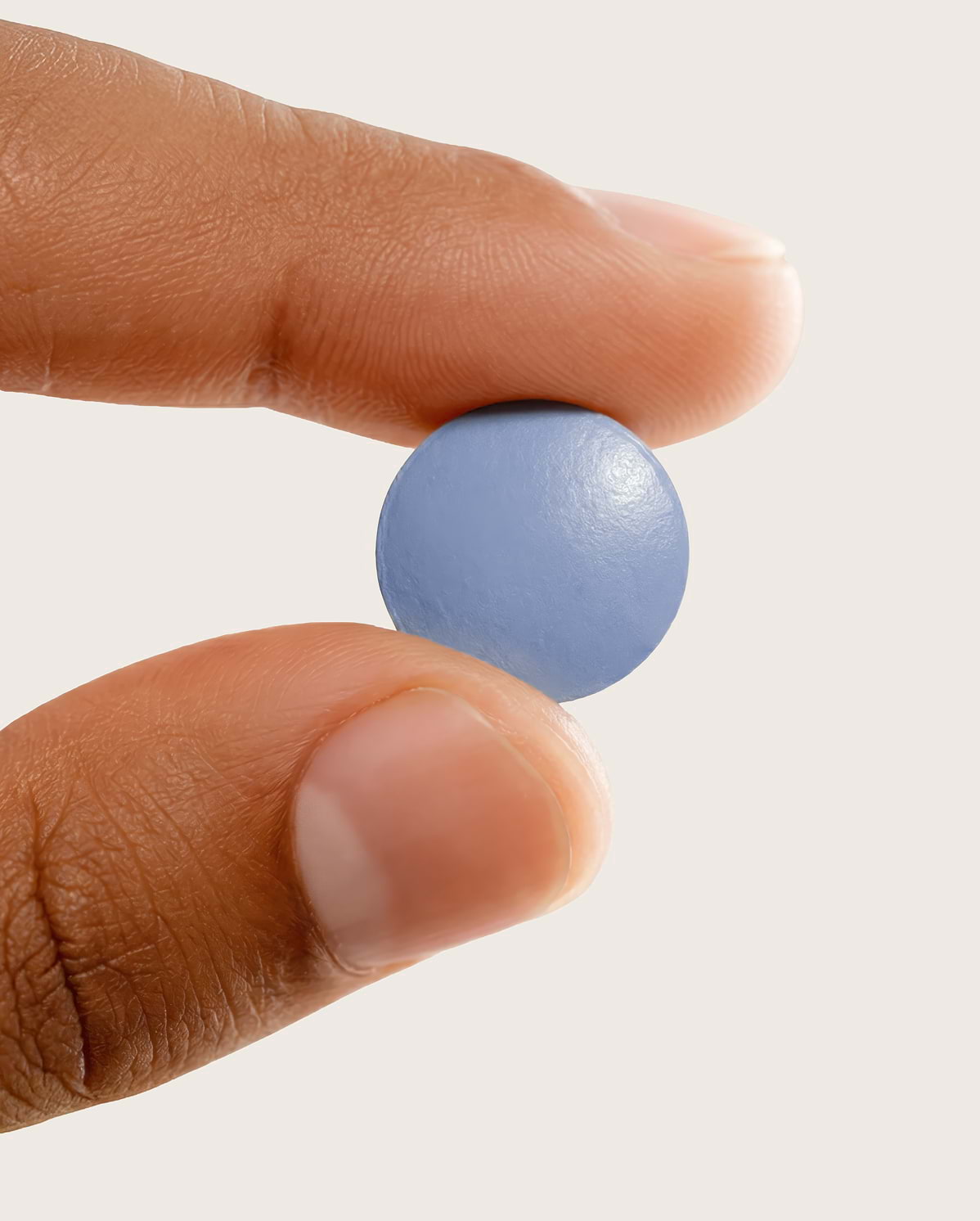
Sildenafil (best known as Viagra) was originally developed for erectile dysfunction, but is sometimes prescribed off-label for premature ejaculation. It is most effective in men who experience both premature ejaculation and erectile dysfunction.⁸
Sildenafil improves blood flow to the penis, leading to firmer erections. With improved erection quality, some men experience better ejaculatory control. Increased confidence from stronger erections may also indirectly help delay ejaculation.⁸
The typical dose for PE is 50 mg, taken 30–60 minutes before sex. The effect lasts around 4-6 hours. Side effects are generally mild and include headache, flushing, or nasal congestion.⁸
Other SSRIs
In addition to dapoxetine, other SSRIs such as paroxetine or sertraline are sometimes prescribed off-label for PE. These medications are taken daily (not on demand) and can be effective, but were originally developed as antidepressants and may have more impact on mood and libido. Dapoxetine is generally preferred because it was specifically developed for PE, works quickly, and leaves the body faster.⁵,⁷
Psychological and sex therapy
Premature ejaculation often involves not only physical factors, but also psychological or relationship-related ones. Performance anxiety, stress, and relationship difficulties can all contribute. In such cases, therapy can be a valuable addition.
Sex therapy
A sex therapist or relationship counselor can help break patterns that perpetuate premature ejaculation. Therapy may focus on:
Reducing performance pressure
Improving communication with your partner
Practicing techniques in a safe, supportive environment
Addressing anxiety or shame related to sex
Many men notice improvement once psychological pressure decreases. Therapy is often most effective when combined with medication or behavioral techniques.¹,⁶
Mindfulness and stress management
Mindfulness techniques can help you become more aware of physical sensations during sex, making it easier to recognize rising arousal and maintain control. General stress reduction - through exercise, relaxation, or therapy - can also have a positive effect.⁶
If premature ejaculation has been present for some time and psychological factors play a role, therapy is well worth considering.
Which treatment is right for you?
The best treatment varies from person to person. General guidance includes:
Start with behavioral techniques if:
Your PE is mild and you want to try non-medical options first
You are willing to invest weeks or months in practice
You have a motivated partner willing to practice with you
Consider topical treatments if:
You want a fast, local solution without systemic side effects
Your PE is situational (only in certain contexts)
Behavioral techniques have not been sufficient
Choose medication (dapoxetine) if:
You want proven effectiveness - studies show dapoxetine can triple ejaculation time⁵
You prefer an on-demand solution
Other methods have not produced adequate results
Your PE is moderate to severe
Choose sildenafil if:
You experience both PE and erectile dysfunction - this combination responds best to sildenafil⁸
You are considering off-label PE treatment (note that dapoxetine is generally more effective for isolated PE)
Erection quality or performance anxiety contributes to your symptoms
Add therapy if:
Psychological factors such as anxiety, stress, or relationship issues play a role
You want to address underlying causes, not just symptoms
You want to combine medication with psychological support
Many men find that combining approaches works best - for example, using medication while practicing behavioral techniques to build confidence, or attending therapy while using topical treatments to address both physical and mental aspects.
At Menkind, we offer dapoxetine (Priligy) in 30 mg and 60 mg, and sildenafil for PE (50 mg, off-label). Medication is delivered discreetly to your home. If you’re unsure which treatment suits you best, start with an online consultation. A doctor can assess your situation and advise on the most appropriate approach.
References
1. Crowdis M, Nazir S. Premature Ejaculation. [Updated 2023]. In: StatPearls [Internet]. Treasure Island (FL): StatPearls Publishing; 2024 Jan. https://www.ncbi.nlm.nih.gov/books/NBK546701/
2. Raveendran AV, Agarwal A (2021). "Premature ejaculation - current concepts in the management: A narrative review". International Journal of Reproductive Biomedicine, 19(1):5-22. https://www.ncbi.nlm.nih.gov/pmc/articles/PMC7851481/
3. Porst H, Burri A (2019). "Novel treatment for premature ejaculation in the light of currently used therapies: a review". Sexual Medicine Reviews, 7(1):129-140. https://pubmed.ncbi.nlm.nih.gov/30057136/
4. Butcher MJ, Zubert T, Christiansen K, Carranza A, Pawlicki P, Seibel S (2020). "Topical agents for premature ejaculation: a review". Sexual Medicine Reviews, 8(1):92-99. https://pubmed.ncbi.nlm.nih.gov/30987933/
5. McMahon CG (2010). "Dapoxetine for premature ejaculation". Expert Opinion on Pharmacotherapy, 11(10):1741-1752. https://pmc.ncbi.nlm.nih.gov/articles/PMC3273363/
6. Althof SE (2016). "Psychosexual therapy for premature ejaculation". Translational Andrology and Urology, 5(4):475-481. https://www.ncbi.nlm.nih.gov/pmc/articles/PMC5001981/
7. Althof SE, McMahon CG, Waldinger MD, Serefoglu EC, Shindel AW, Adaikan G, et al (2014). "An update of the International Society of Sexual Medicine's guidelines for the diagnosis and treatment of premature ejaculation". Sexual Medicine, 2(2):60-90. https://pubmed.ncbi.nlm.nih.gov/25356302/