Premature ejaculation
Dapoxetine (Priligy): how this medication works for premature ejaculation
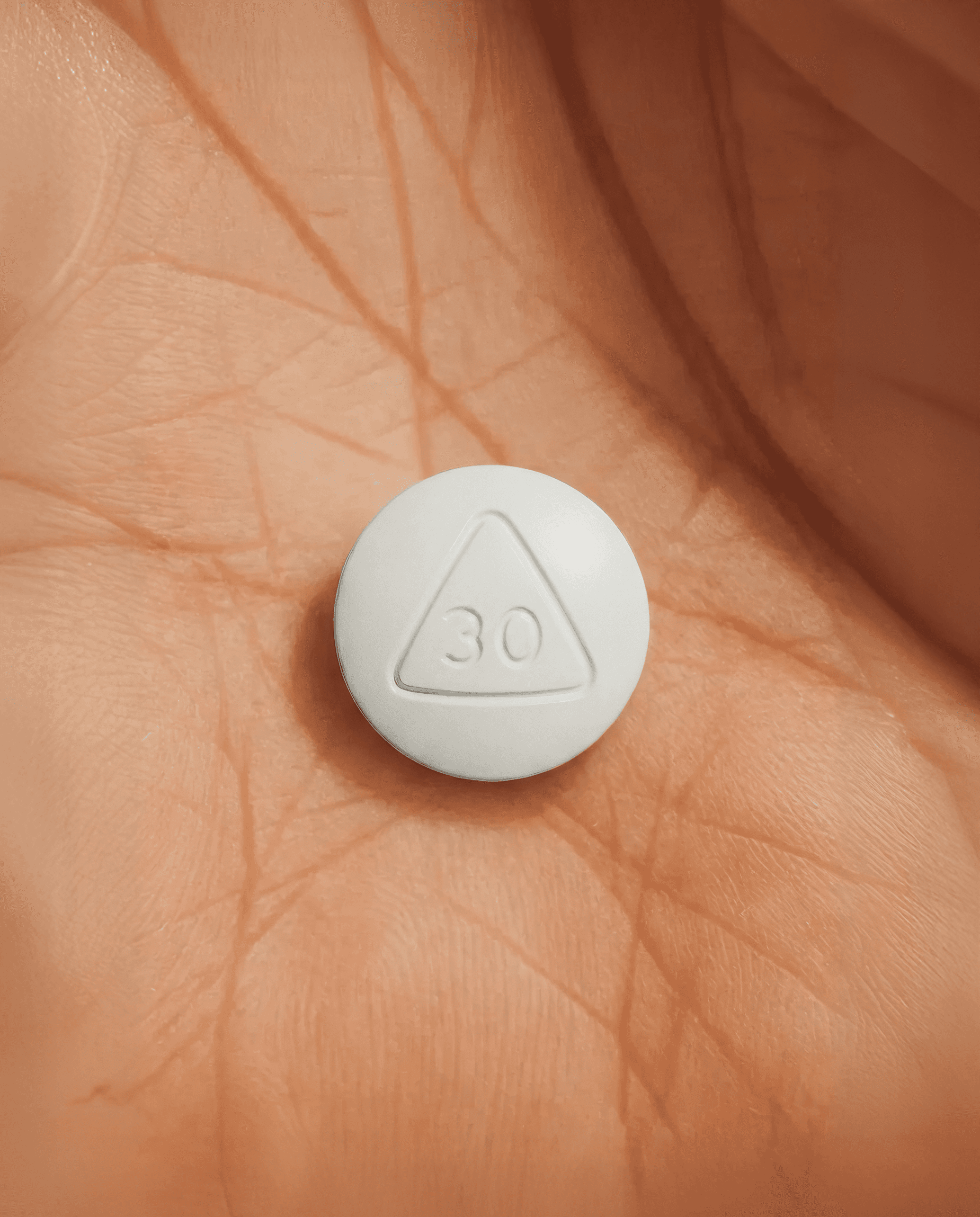
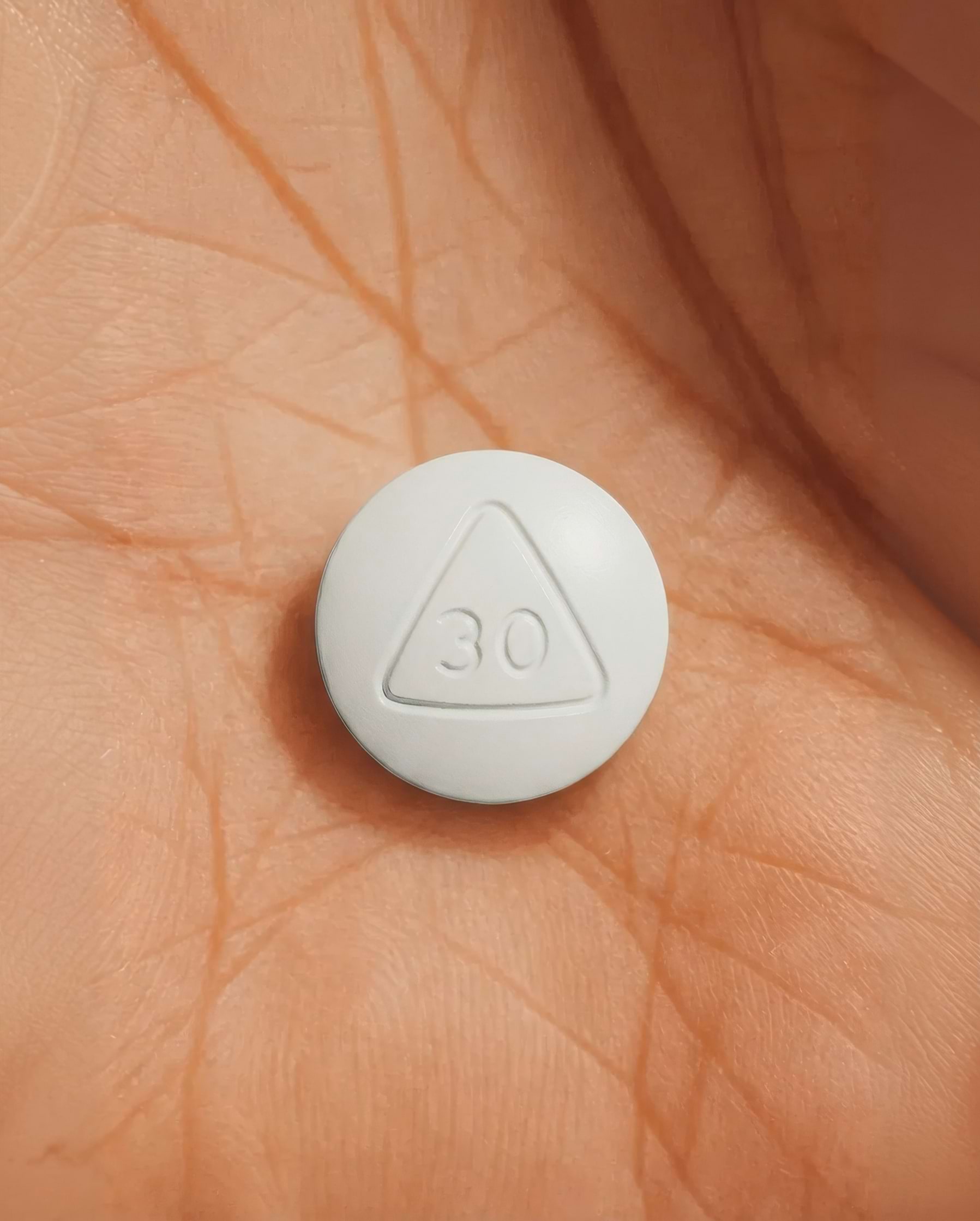
Dapoxetine (brand name Priligy) is the only medication specifically developed for premature ejaculation. This short-acting SSRI increases serotonin levels in the nervous system, which helps delay the ejaculatory reflex¹˒⁵. Clinical studies show that dapoxetine can triple the time to ejaculation¹˒⁴. It is taken 1–3 hours before sex and is available in 30 mg and 60 mg doses. The most common side effects are dizziness, headache, and mild nausea⁴˒⁵. Dapoxetine is not suitable for men with certain heart conditions or blood pressure disorders. For many men with moderate to severe PE, dapoxetine offers an effective on-demand option.
LAST UPDATE
MEDICALLY REVIEWED BY
Arthur Bijleveld, general practitioner
TIME
7 min
read
KEY WORDS
• How dapoxetine works • Priligy medication • SSRI for premature ejaculation • Dapoxetine 30 mg • Dapoxetine 60 mg • Medication for coming too quickly
What is dapoxetine (Priligy)?
Dapoxetine, better known under the brand name Priligy, is currently the only medication specifically approved for the treatment of premature ejaculation. This makes it unique: while other medications are sometimes prescribed off-label for PE, dapoxetine was developed from the start with this indication in mind¹.
Dapoxetine belongs to the SSRI class - selective serotonin reuptake inhibitors. You may know SSRIs as antidepressants, but dapoxetine is different. It is a short-acting SSRI that you take only when needed (on demand), not daily. You take it 1–3 hours before you expect to have sex, and the effect lasts for a few hours¹˒⁵.
Why on-demand use is convenient
Unlike other SSRIs that must be taken daily (such as paroxetine or sertraline), dapoxetine is used only when you need it. This has advantages: you are not continuously exposed to the medication, which reduces the risk of longer-term side effects. You also only pay for the times you actually use it.
Dapoxetine was approved in Europe in 2009 and is now used worldwide by millions of men with premature ejaculation.
How does dapoxetine help with ejaculating too quickly?
To understand how dapoxetine works, it helps to first know what happens during ejaculation. Ejaculation is a reflex regulated by neurotransmitters in the nervous system - chemical messengers that transmit signals between nerve cells. One of these neurotransmitters is serotonin.
The role of serotonin
Serotonin plays an important role in regulating the ejaculatory reflex. Low serotonin activity in certain areas of the brain can contribute to ejaculating too quickly. Higher serotonin activity helps delay ejaculation¹˒⁵.
How dapoxetine works
Dapoxetine increases the amount of serotonin available in synapses (the spaces between nerve cells). It does this by preventing serotonin from being reabsorbed too quickly by nerve cells. The result: more serotonin remains active, which slows down the ejaculatory reflex¹.
Important to know: dapoxetine does not work by numbing the penis or lowering libido. Its mechanism is neurological - it affects the signaling in your nervous system that controls ejaculation. This means you still experience normal pleasure during sex, but with more control over when you climax.
Fast-acting
Because dapoxetine is short-acting, it is absorbed quickly into the bloodstream and reaches peak concentration within 1–3 hours. After about 24 hours, it has largely left the body. This is why it is suitable for on-demand use¹.
How to use Priligy: dosage and timing
Dapoxetine is available in two strengths: 30 mg and 60 mg. The best dose depends on how your body responds and how severe your PE is.
Starting dose: 30 mg
Most men start with 30 mg dapoxetine. This dose is effective for many men and is less likely to cause side effects than the higher dose. Doctors often recommend trying 30 mg for several sexual encounters before considering an increase⁴˒⁵.
Increasing to 60 mg
If 30 mg does not work well enough, the dose may be increased to 60 mg. Studies show that the higher dose is more effective for some men, but also increases the risk of side effects such as dizziness⁴. A doctor will discuss this with you and determine whether increasing the dose is appropriate.
Timing: when should you take it?
Take dapoxetine 1–3 hours before you expect to have sex. Most men take it about 1–2 hours beforehand. The medication reaches its maximum effect after roughly 1–2 hours and remains effective for several hours¹.
With or without food?
You can take dapoxetine with or without food. A heavy, high-fat meal may slow absorption slightly, but this usually does not significantly affect effectiveness. More important: take it with a full glass of water and ideally remain standing or sitting upright for at least 30 minutes after taking it. This reduces the risk of dizziness⁵.
Frequency
Do not use dapoxetine more than once per 24 hours. It is an on-demand medication, meaning you take it only on days when you expect to have sex - not daily.
Alcohol
Alcohol is not recommended in combination with dapoxetine. Alcohol can increase the risk of dizziness and fainting. If you do drink, do so in moderation and pay close attention to how you feel⁵.
How effective is dapoxetine?
The effectiveness of dapoxetine has been studied extensively in multiple clinical trials involving thousands of men. The results are positive. Also avoid grapefruit juice within 24 hours before taking it, as this increases blood levels of dapoxetine.
Clinical studies
In large placebo-controlled studies in men with premature ejaculation, dapoxetine significantly increased intravaginal ejaculatory latency time (IELT - the time from penetration to ejaculation). With 30 mg dapoxetine, IELT increased on average by a factor of 2 to 2,5. With 60 mg, the increase was even greater - often up to three times the original duration¹˒⁴.
In practical terms: if you typically ejaculate after 1 minute, dapoxetine may help extend this to 2–3 minutes or longer. For men who lasted only a few seconds, the improvement can be even more noticeable.
Improved sense of control
In addition to increased time, men also reported a better overall experience: more control over ejaculation, less frustration, and greater sexual satisfaction. Partners also reported increased satisfaction⁴˒⁵.
Not the same effect for everyone
As with any medication, response varies by person. Some men notice a clear difference after the first dose, while others experience optimal benefit after several uses. If you do not notice improvement after 4–6 attempts, it is wise to discuss this with a doctor.
Comparison with other treatments
A major 2021 review compared various PE treatments. Dapoxetine performed well in terms of effectiveness and had a favorable safety profile compared with daily SSRIs. Topical treatments (such as lidocaine) sometimes worked faster, but dapoxetine offered more consistent results without the hassle of local application⁴.
Side effects and safety
Like any medication, dapoxetine can cause side effects. Most side effects are mild and often decrease after a few doses as your body adjusts.
Most common side effects
The three most frequently reported side effects are⁴˒⁵:
• Dizziness: around 10–15% of users experience this, especially with the first doses. Staying upright after taking it can help.
• Headache: occurs in about 10% of users. Usually mild and resolves on its own.
• Nausea: about 10% experience mild nausea. This is usually temporary.
Other possible side effects include diarrhea, fatigue, insomnia, or reduced libido. These occur less often and are usually mild.
Rare but serious side effects
In rare cases, dapoxetine can cause fainting or syncope (sudden loss of consciousness). This occurs more often in men who also drink alcohol or are dehydrated. Therefore, remain upright after taking it and avoid alcohol.⁵
When should you not use it?
Dapoxetine is not suitable for everyone. Do not use it if you:
• Have certain heart conditions (such as arrhythmias or heart failure)
• Have moderate to severe liver impairment
• Use MAO inhibitors (a type of antidepressant)
• Use other SSRIs or certain antidepressants
• Have severe kidney problems⁵
Dapoxetine is specifically licensed for the treatment of premature ejaculation in adult men aged 18 to 64 years of age. There is insufficient research on the effectiveness and safety of dapoxetine in men younger than 18 or older than 64 years.
Interactions with other medications
Dapoxetine may interact with other medications, such as certain antidepressants, blood thinners, or medicines that affect blood pressure. Always inform your doctor about any medications you are taking before starting dapoxetine.
Long-term safety
Studies have shown that dapoxetine is safe for long-term use (up to 2 years has been studied). Because it is an on-demand medication and is rapidly eliminated from the body, the risk of accumulation or long-term side effects is low¹˒⁴.
Is Priligy the right choice for you?
Dapoxetine can be a good option if you have moderate to severe premature ejaculation and are looking for a medication-based solution. But how do you know if it’s right for you?
Dapoxetine may be suitable if:
• You consistently ejaculate too quickly (within 1–2 minutes or sooner)
• Behavioral techniques or topical treatments have not provided sufficient benefit
• You want a proven, clinically tested solution
• You prefer a tablet over a spray or cream
• You want an on-demand treatment (not taken daily)
• You do not have serious heart conditions or other contraindications
Benefits of dapoxetine
The main advantage is flexibility: you only use it when needed. In addition, its mechanism of action is well understood and its effectiveness is supported by strong scientific evidence. For many men, dapoxetine offers a good balance between effectiveness and ease of use.
Potential drawbacks to consider
Dapoxetine requires some planning, as it must be taken 1–3 hours in advance, which may feel less spontaneous than topical treatments. Some men also experience side effects, particularly at the start of treatment. And, as a prescription medication, it requires approval from a doctor.
Combining dapoxetine with other approaches
Dapoxetine often works best when combined with other strategies. For example, continuing to practice behavioral techniques such as the stop-start method while using dapoxetine can provide additional control. Therapy can also be helpful when psychological factors such as performance anxiety play a role³˒⁶.
How to get dapoxetine
Dapoxetine is a prescription-only medication. This means you first need a consultation with a doctor who can assess whether the medication is safe and appropriate for you. At Menkind, you complete an online medical questionnaire that is reviewed by a doctor. After approval, the medication is delivered discreetly to your home.
It is important to be honest about your medical history and current medication use so the doctor can make a safe assessment. If dapoxetine is not suitable for you, alternative treatment options can be recommended.
References
McMahon CG (2010). "Dapoxetine for premature ejaculation". Expert Opinion on Pharmacotherapy, 11(10):1741-1752. https://pmc.ncbi.nlm.nih.gov/articles/PMC3273363/
Crowdis M, Nazir S. Premature Ejaculation. [Updated 2023]. In: StatPearls [Internet]. Treasure Island (FL): StatPearls Publishing; 2024 Jan. https://www.ncbi.nlm.nih.gov/books/NBK546701/
Raveendran AV, Agarwal A (2021). "Premature ejaculation - current concepts in the management: A narrative review". International Journal of Reproductive Biomedicine, 19(1):5-22. https://www.ncbi.nlm.nih.gov/pmc/articles/PMC7851481/
Sathianathen NJ, Hwang EC, Mian R, et al (2021). "Selective serotonin re-uptake inhibitors for premature ejaculation in adult men". The Cochrane Database of Systematic Reviews, 3(3):CD012799. https://pubmed.ncbi.nlm.nih.gov/33745183/
Althof SE, McMahon CG, Waldinger MD, Serefoglu EC, Shindel AW, Adaikan G, et al (2014). "An update of the International Society of Sexual Medicine's guidelines for the diagnosis and treatment of premature ejaculation". Sexual Medicine, 2(2):60-90. https://pubmed.ncbi.nlm.nih.gov/25356302/
Porst H, Burri A (2019). "Novel treatment for premature ejaculation in the light of currently used therapies: a review". Sexual Medicine Reviews, 7(1):129-140. https://pubmed.ncbi.nlm.nih.gov/30057136/
Martin C, Nolen H, Podolnick J, Wang R (2017). "Current and emerging therapies in premature ejaculation: where we are coming from, where we are going". International Journal of Urology, 24(1):40-50. https://pubmed.ncbi.nlm.nih.gov/27704632/