Weight loss
Side effects of GLP-1 medication: what to expect
GLP-1 medications such as Ozempic, Wegovy, and Mounjaro are effective for weight loss, but they can cause side effects. The most common are gastrointestinal: nausea, diarrhea, constipation, and vomiting. These side effects are usually mild to moderate, occur mainly when starting treatment or increasing the dose, and improve after a few weeks as your body adapts. This article explains which side effects you may experience, why they occur, how long they last, and what you can do in practice to reduce them. You’ll also learn when to contact your doctor.
LAST UPDATE
MEDICALLY REVIEWED BY
Romke Brada, general practitioner
TIME
7 min
read
KEY WORDS
• GLP-1 side effects • Ozempic side effects • Wegovy side effects • Mounjaro side effects • GLP-1 nausea
Why do GLP-1 medications cause side effects?
GLP-1 medications work by influencing your digestive system¹. Their main effect is that they slow gastric emptying - food stays in your stomach longer before moving into your intestines. This helps you feel full for longer and reduces hunger, but it also changes how your body is used to functioning.
Your body needs time to adapt to this new situation. In the first weeks, your digestive system responds to these changes, which can lead to side effects such as nausea, diarrhea, or constipation. These are predictable effects based on how GLP-1 works - it actually means the medication is doing what it’s supposed to do.
Side effects mainly occur in two situations³: when you first start the medication (the first 2–4 weeks) and when your dose is increased during the titration phase. Symptoms may be stronger in the first days after an injection or dose, but they usually decrease as your body adjusts.
Important to remember: side effects do not mean something is going wrong. For most people, they are mild and manageable. Serious side effects are rare. Your doctor monitors your progress and can adjust the dose if needed.
The most common side effects (>10% of users)
The following side effects are the most common with GLP-1 medications¹˒²:
Nausea (20–40% of users)
This is the most common side effect. You may feel uneasy or nauseated, especially after eating. This happens because food stays in your stomach longer. Nausea is usually strongest in the first 1–2 weeks and then gradually improves¹.
What helps: Eat smaller portions spread throughout the day. Take your time eating and chew well. Avoid fatty or heavy meals. Ginger or peppermint tea may help. Don’t eat on a completely empty stomach - small, light snacks between meals can reduce nausea.
Diarrhea (15–20%)
Loose stools and more frequent bowel movements can occur because GLP-1 changes the speed at which food moves through your intestines. This usually happens in the first days after starting or increasing your dose and often improves within 3–7 days³.
What helps: Drink plenty of water to stay hydrated - this is crucial. Eat simple foods such as bananas, rice, applesauce, and toast (the BRAT diet). Avoid coffee, alcohol, and spicy foods. Probiotics may help restore gut flora. If diarrhea persists, an oral rehydration solution can be useful.
Constipation (10–20%)
Difficult or less frequent bowel movements occur because intestinal motility slows down. This can start after 1–2 weeks of use and may last for several weeks until your body adapts⁴.
What helps: Drink at least 2 liters of water per day. Eat high-fiber foods such as vegetables, fruit, and whole grains. Exercise and walking stimulate bowel function. Psyllium fiber or lactulose can help if needed. Take your time in the bathroom and don’t strain.
Vomiting (5–10%)
Some people actually vomit, especially if nausea is severe. This typically occurs in the first week and improves within a few days to a week.
What helps: Restart eating gently after vomiting. Sip cold fluids in small amounts. Ginger or mint may help. Choose light, non-fatty foods. If vomiting lasts longer than 24 hours, contact your doctor.
Abdominal pain (5–15%)
Cramping or abdominal discomfort can occur due to changes in digestion. The pain varies and is often more noticeable after eating. This usually improves after 1–2 weeks³.
What helps: Use a warm compress on your abdomen. Eat small meals. Avoid foods that cause gas (cabbage, legumes, carbonated drinks). Eat slowly and without rushing.
Fatigue (5–10%)
Tiredness and lower energy can occur as your body adapts and you consume fewer calories. This is most noticeable in the first weeks.
What helps: Get enough rest and sleep. Eat sufficient protein to support energy levels. Start exercising gradually - avoid very intense training at the beginning. Stay well hydrated.
Less common but important side effects (1–10%)
In addition to the common side effects, there are several that occur less often but are important to know²˒⁴:
Low blood sugar (hypoglycemia)
This can occur, especially in people with type 2 diabetes who also use other diabetes medications. Symptoms include shaking, sweating, dizziness, and confusion. Monitor your blood sugar and always carry fast-acting sugar. Discuss with your doctor whether other medications should be adjusted.
Gallstones
Gallstones can develop during rapid weight loss, independent of the medication itself⁵. Symptoms include severe pain in the upper right abdomen. This is rare but serious - contact your doctor immediately if you suspect it.
Changes in taste
Some people notice that food tastes different or becomes less appealing. This may even support weight loss and is usually temporary.
Hair loss
Hair loss is sometimes reported, but it is likely related to rapid weight loss in general rather than the medication itself. It is usually temporary and resolves over time. Ensure adequate protein and nutrients in your diet.
Injection-site reactions
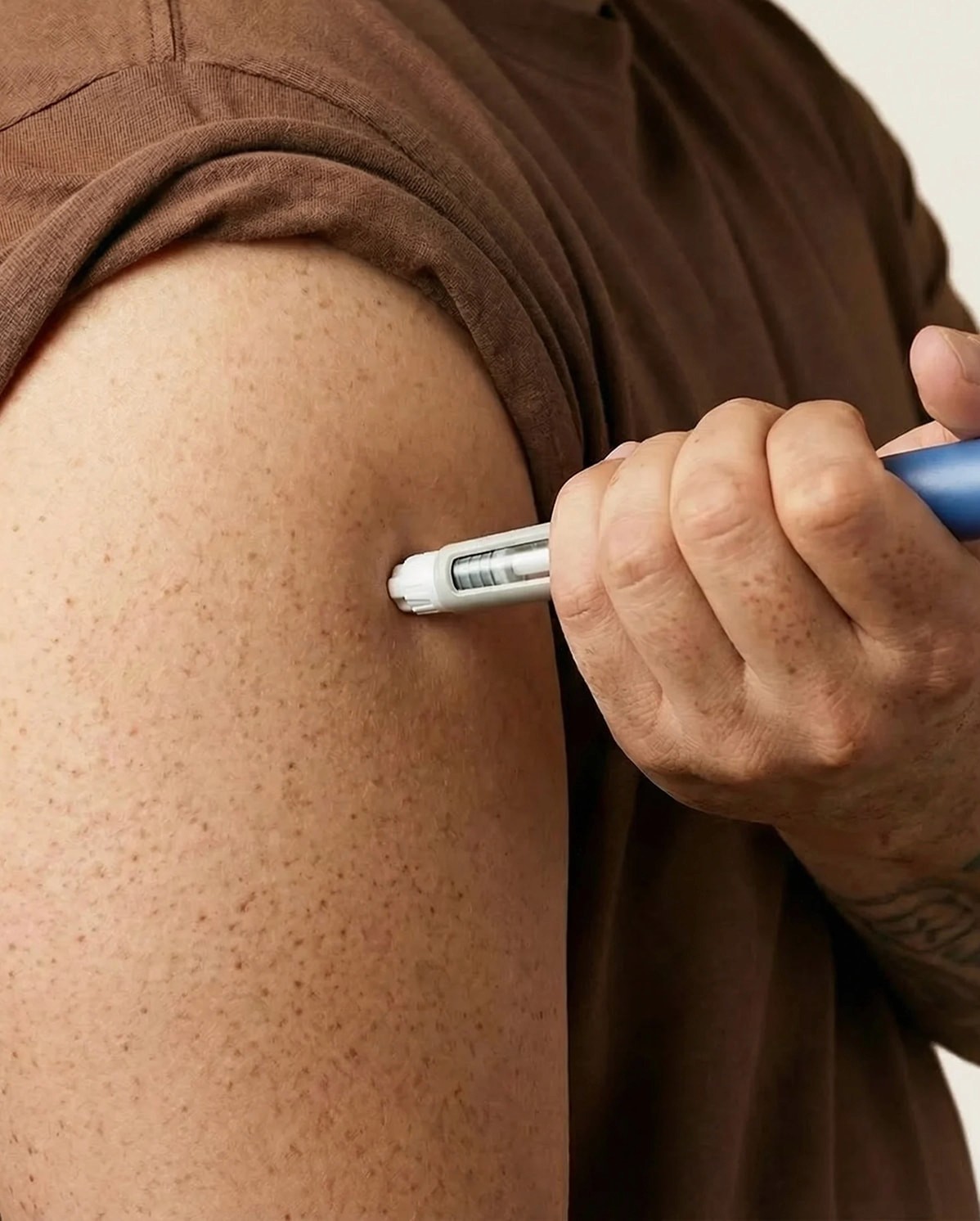
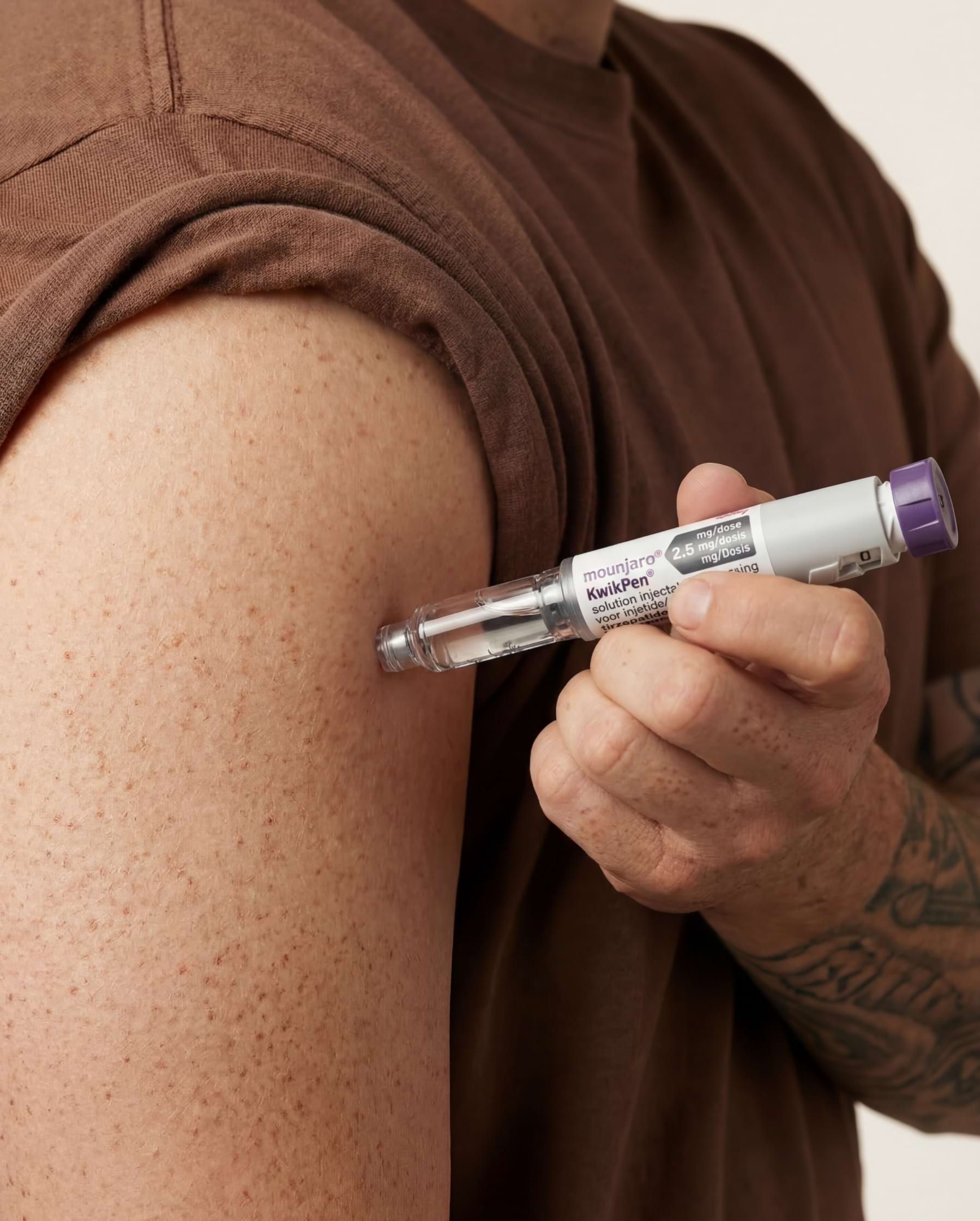
Redness, swelling, or itching at the injection site is usually mild. Rotate injection sites (abdomen, thigh, upper arm) and consider using ice on the area to reduce irritation.
Rare but serious side effects (<1%)
The following side effects are very rare but require immediate medical attention³˒⁴:
Pancreatitis (inflammation of the pancreas)
This occurs in fewer than 1% of users. The key symptom is severe, persistent abdominal pain that radiates to your back. If you experience this, stop the medication immediately and go to the emergency department. The risk is higher in people with a history of pancreatitis, gallstones, or high alcohol intake³.
Thyroid tumors
These appear as a warning label due to observations in animal studies at very high doses. In humans, this is extremely rare. Your doctor will screen for a family history of medullary thyroid cancer or Multiple Endocrine Neoplasia type 2 (MEN 2), which are contraindications³.
Allergic reaction
Symptoms may include rash, swelling of the face, lips, or throat, and breathing difficulties. This is extremely rare (<0.1%), but if it occurs you must stop the medication immediately and call 112³.
Kidney problems
These can occur due to dehydration from severe diarrhea or vomiting. Prevention is simple: stay well hydrated. If you already have kidney problems, your doctor will monitor this more closely.
How long do side effects last?
For most people, the general pattern looks like this⁵˒⁶: Side effects typically begin in weeks 1–2. Weeks 2–4 are often the peak in intensity. Between weeks 4–8, symptoms gradually improve. After 8 weeks, most people have adapted to the medication.
With each dose increase, the cycle can repeat, but usually in a milder form. Side effects tend to be less severe than at the initial start because your body adapts more quickly. That’s why GLP-1 medication is always increased gradually in steps.
There are individual differences. Some people experience hardly any side effects, while others have symptoms for longer (up to 12 weeks). This depends on personal sensitivity, lifestyle, and eating patterns.
At a stable dose, side effects are minimal. Your body adapts to the new normal. Some effects - such as slightly slower digestion - may remain mildly present but are no longer experienced as disruptive.
When should you call your doctor?
It’s important to know when side effects are normal and when they require medical attention. Here are the guidelines:
Contact your doctor within 24 hours if you have:
Persistent vomiting lasting longer than 24 hours
Severe dehydration where you cannot keep fluids down
Persistent diarrhea lasting longer than 3 days
Severe abdominal pain that doesn’t go away
Signs of low blood sugar if you have diabetes (especially if you use other medication)
A severely infected injection site with fever
Go to the emergency department immediately or call 112 if you have:
Severe, constant abdominal pain radiating to your back (possible pancreatitis)
An allergic reaction with swelling of the face, lips, or throat and difficulty breathing
Extreme confusion or loss of consciousness
Signs of kidney failure such as little or no urine output
Schedule a routine check-up if:
Side effects do not improve after 4 weeks
Your quality of life is significantly affected
You are unsure about continuing the medication
You develop new symptoms not covered in this article
Remember: it’s better to call too often than too late. Your doctor can adjust your medication - for example, prescribe a lower dose or increase more slowly. Stopping without consultation is not always the best option. Sometimes a different GLP-1 medication may be better tolerated for you.
Medical support for side effects through Menkind
At Menkind, you receive ongoing medical support from our doctors throughout your treatment with GLP-1 medications. If you experience side effects, our physicians can adjust your dose, slow down titration, or provide practical advice tailored to your situation.
You always have access to medical guidance through our online platform. We monitor your progress and are ready to support you in managing side effects. Our goal is for you to follow treatment safely and comfortably. Start an intake today and experience the benefits of professional medical supervision for weight loss.
References
1. Wilding, J. P. H., Batterham, R. L., Calanna, S., et al. (2021). Once-weekly semaglutide in adults with overweight or obesity. New England Journal of Medicine, 384(11), 989–1002. https://pubmed.ncbi.nlm.nih.gov/33567185/
2. Jastreboff, A. M., Aronne, L. J., Ahmad, N. N., et al. (2022). Tirzepatide once weekly for the treatment of obesity. New England Journal of Medicine, 387(3), 205–216. https://pubmed.ncbi.nlm.nih.gov/35658024/
3. European Medicines Agency. (2024). Wegovy (semaglutide): EPAR - Productinformatie. https://www.ema.europa.eu/nl/documents/product-information/wegovy-epar-product-information_nl.pdf
4. Aroda, V. R., Ahmann, A., Cariou, B., Chow, F., Davies, M. J., Jódar, E., et al. (2019). Comparative efficacy, safety, and cardiovascular outcomes with once-weekly subcutaneous semaglutide in the treatment of type 2 diabetes: Insights from the SUSTAIN 1–7 trials. Diabetes & Metabolism, 45(5), 409–418. https://doi.org/10.1016/j.diabet.2018.12.001
5. Garvey, W. T., Batterham, R. L., Bhatta, M., et al. (2022). Two-year effects of semaglutide in adults with overweight or obesity: the STEP 5 trial. Nature Medicine, 28(10), 2083–2091. https://pubmed.ncbi.nlm.nih.gov/36216945/
6. Rubino, D., Abrahamsson, N., Davies, M., et al. (2021). Effect of continued weekly subcutaneous semaglutide vs placebo on weight loss maintenance in adults with overweight or obesity: The STEP 4 randomized clinical trial. JAMA, 325(14), 1414–1425. https://pubmed.ncbi.nlm.nih.gov/33755728/