Weight loss
Wegovy vs Ozempic vs Mounjaro: Which one is right for you?
Wegovy, Ozempic, and Mounjaro are the three most commonly used GLP-1 medications for weight loss. Wegovy and Ozempic both contain semaglutide but are approved for different indications. Mounjaro contains tirzepatide and works on two hormones instead of one. Each medication has its own advantages: Mounjaro delivers the greatest average weight loss, while Wegovy is specifically approved for weight management. In this article, we compare all three in terms of effectiveness, side effects, and suitability.
LAST UPDATE
MEDICALLY REVIEWED BY
Romke Brada, general practitioner
TIME
7 min
read
KEY WORDS
• Wegovy vs Ozempic • Mounjaro vs Ozempic • GLP-1 medication comparison • Semaglutide vs tirzepatide • Best weight loss medication
What are the key differences between Wegovy, Ozempic, and Mounjaro?
To make an informed choice, it’s important to understand the basic differences first. Below is an overview of the three medications:
Ozempic
Active ingredient: Semaglutide
Approved for: Type 2 diabetes (used off-label for weight loss)
Mechanism: GLP-1 receptor agonist (single-action)
Maximum dose: 2 mg per week
Average weight loss: 10–15%
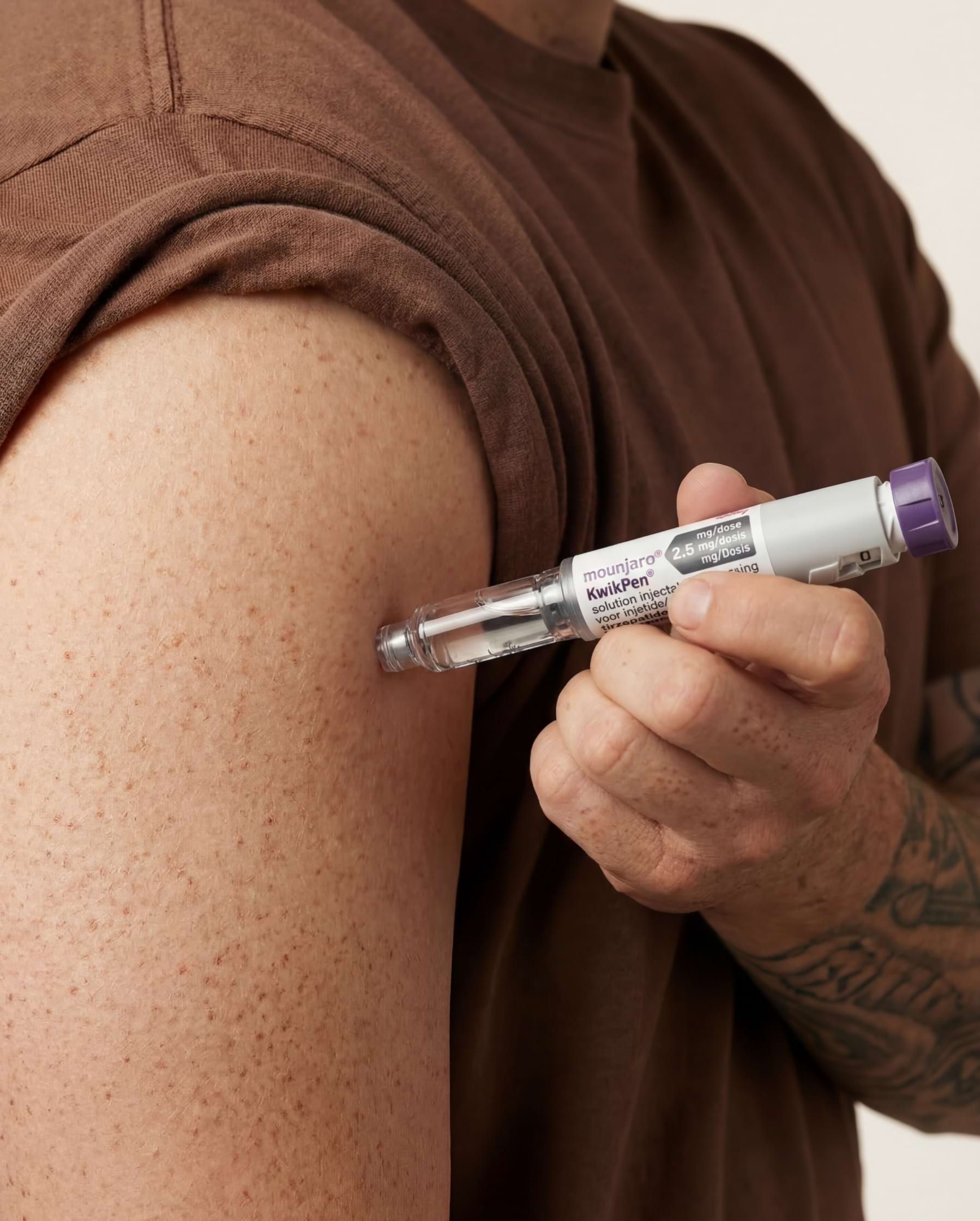
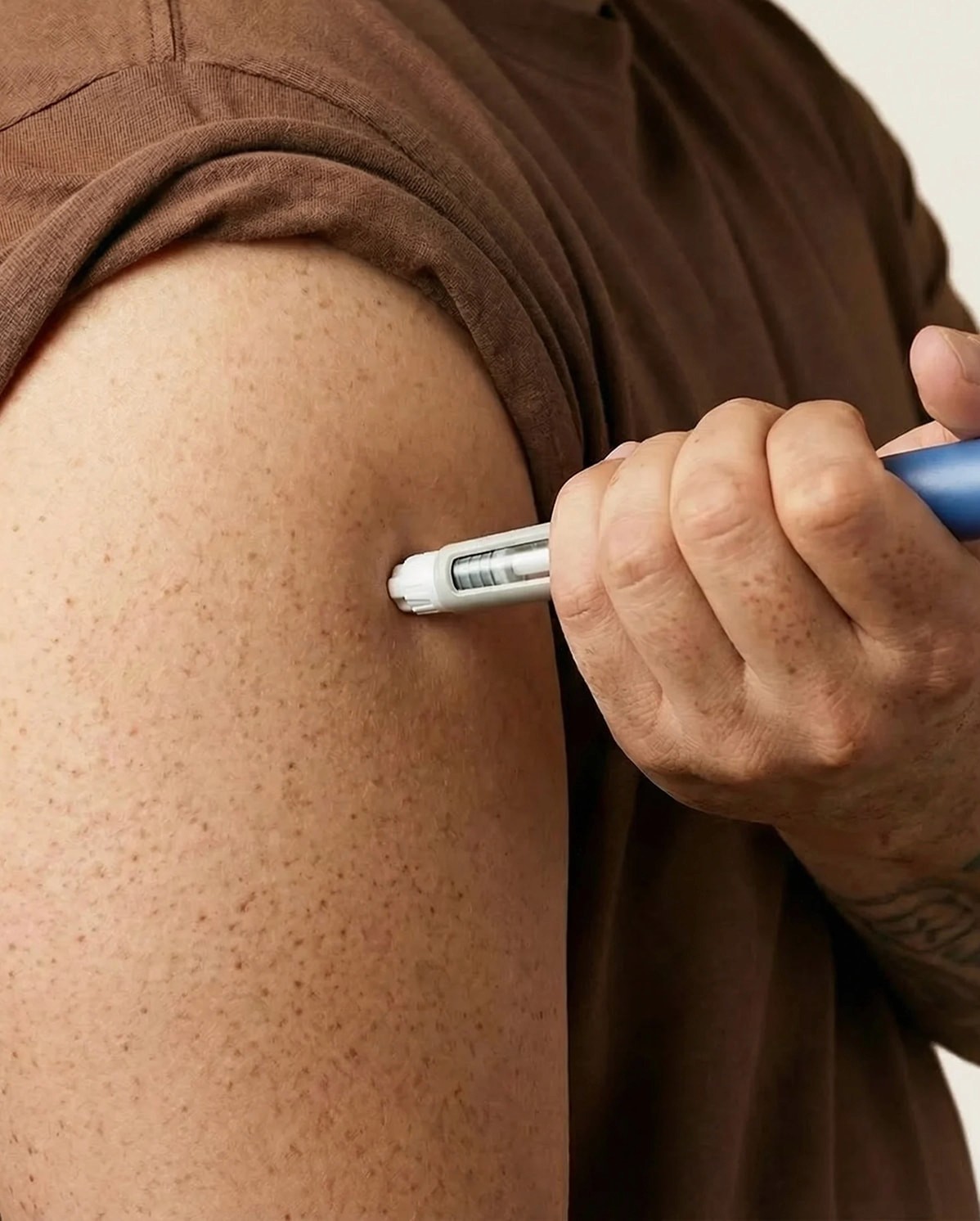
Administration: Weekly subcutaneous injection
Wegovy
Active ingredient: Semaglutide (the same as Ozempic!)
Approved for: Weight loss + cardiovascular risk reduction
Mechanism: GLP-1 receptor agonist (single-action)
Maximum dose: 2.4 mg per week
Average weight loss: 15–17%
Administration: Weekly subcutaneous injection
Mounjaro
Active ingredient: Tirzepatide
Approved for: Type 2 diabetes and weight loss
Mechanism: Dual-action (GLP-1 + GIP receptor agonist)
Maximum dose: 15 mg per week
Average weight loss: 15–22.5%
Administration: Weekly subcutaneous injection
The most important difference is that Mounjaro acts on two hormones (GLP-1 and GIP), while Wegovy and Ozempic act only on GLP-1. This makes Mounjaro potentially more powerful, but also possibly slightly harder to tolerate for some people²˒³.
How do Wegovy, Ozempic, and Mounjaro work?
All three medications work by mimicking natural hormones in your body that regulate appetite and blood sugar. The difference lies in which hormones they target.
Semaglutide (Wegovy and Ozempic)
Semaglutide is a GLP-1 receptor agonist. It mimics the GLP-1 hormone that your intestines naturally release after eating⁷. This hormone has several effects:
Slows gastric emptying – keeping you fuller for longer
Reduces appetite by sending signals to the brain
Increases feelings of satiety after meals
Stimulates insulin production when blood sugar rises
Suppresses glucagon release (a hormone that raises blood sugar)
Tirzepatide (Mounjaro)
Tirzepatide is a dual-action medication. It mimics not only GLP-1, but also GIP (glucose-dependent insulinotropic polypeptide)². This dual action provides additional benefits:
All GLP-1 effects (as listed above)Plus: Additional effects on fat metabolism
Plus: Potentially stronger improvements in insulin sensitivity
Plus: Potentially better blood sugar control in people with diabetes
This dual-hormone approach explains why Mounjaro shows slightly greater average weight loss than semaglutide-based medications²˒³. It’s like using two pathways to reach the same goal instead of one.
Which medication leads to the most weight loss?
This is often the most important question. Based on large-scale clinical trials, the average outcomes are as follows:
Mounjaro (tirzepatide)
In the SURMOUNT trials, participants lost an average of 15–22.5% of their body weight, depending on the dose². At the highest dose (15 mg), average weight loss was 22.5% after 72 weeks. That means someone weighing 100 kg could lose an average of 22.5 kg.
Wegovy (semaglutide 2.4 mg)
The STEP clinical trials provide a clear picture of expected results. Wegovy (2.4 mg semaglutide) led to an average weight loss of about 15% after 68–104 weeks. In studies with intensive lifestyle support or selected responders, results were higher - up to around 16–17%¹˒⁴. Recent research using a higher 7.2 mg dose showed an average weight loss of 20.7% after 72 weeks, with about one-third of users losing 25% or more.
Ozempic (semaglutide 2 mg)
Because Ozempic is primarily intended for diabetes treatment, studies focus mainly on blood sugar control. Average weight loss with Ozempic is around 10–15%, slightly lower than Wegovy due to the lower maximum dose (2 mg vs 2.4 mg)¹.
An important nuance: these are study averages. Some people lose more, others less. In a direct comparison study between tirzepatide and semaglutide, tirzepatide performed significantly better³. Still, both medications are highly effective compared with placebo or older weight-loss drugs.
What are the differences in side effects?
In terms of side effects, the three medications are largely similar. All slow digestion, which leads to comparable side-effect profiles.
Similarities (all three)
Gastrointestinal symptoms are the most common side effects
Nausea, vomiting, diarrhea, and constipation occur frequently
Side effects are usually mild to moderate and temporary
Symptoms are strongest during the first weeks and after dose increases
Rare but serious side effects (such as pancreatitis) are comparable
Possible differences
Clinical studies suggest that Mounjaro may cause gastrointestinal symptoms slightly more often than semaglutide-based medications²˒⁵˒⁶. This is likely because it acts on two hormones instead of one. However, the difference is small and strongly depends on dosage and individual tolerance.
Between Wegovy and Ozempic, there is virtually no difference in side effects because they contain the same active ingredient. Their side-effect profiles are almost identical⁵˒⁶.
Conclusion: Do not choose primarily based on side effects - they are largely comparable. Individual tolerance varies more between people than between medications.
Wegovy vs Ozempic: What’s the difference?
This question causes a lot of confusion, so let’s clarify it clearly: Wegovy and Ozempic contain the same active ingredient - semaglutide. They are essentially the same medication, but with different names and approved uses⁵˒⁶.
Key differences:
Approval: Ozempic is approved for type 2 diabetes; Wegovy for weight loss
Dosage: Wegovy up to 2.4 mg per week; Ozempic up to 2 mg per week
Injection pens: Wegovy has a built-in needle per pen; Ozempic pens are reused with separate needles
Indication: If weight loss is your primary goal, Wegovy is usually prescribed
In practice, Ozempic is sometimes prescribed off-label for weight loss, especially when Wegovy is unavailable or not reimbursed. Officially, however, Wegovy is the version intended for weight management⁵˒⁶.
The mechanism, side effects, and mode of action are identical. The only real difference in effectiveness comes from dosing - the higher maximum dose of Wegovy (2.4 mg) can lead to slightly greater weight loss than the maximum Ozempic dose (2 mg)¹˒⁵.
Which medication is most suitable for whom?
The choice between these three medications depends on your personal situation, goals, and medical history. Here are practical guidelines:
Choose Wegovy if:
Your primary goal is weight loss (without diabetes)
You have cardiovascular risk factors such as high blood pressure or high cholesterol
You want the highest available semaglutide dose
You are looking for proven cardiovascular protection (Wegovy is approved for this)
You want a medication specifically developed for weight loss
Choose Ozempic if:
You have type 2 diabetes and want both blood sugar control and weight loss
Wegovy is unavailable or not reimbursed in your situation
Your doctor specifically prescribes it for diabetes treatment
You already have good experience with Ozempic and are satisfied with the results
Choose Mounjaro if:
You want to achieve maximum weight loss (highest efficacy)
You have type 2 diabetes (or Mounjaro is approved for weight loss in your country)
Semaglutide did not provide sufficient effect or you want to switchYou are willing to tolerate potentially more gastrointestinal side effects for better results
Blood sugar control is especially important alongside weight loss
Important considerations:
All three require a medical consultation - your doctor will assess your medical history
Contraindications are largely the same for all three
Availability and reimbursement vary by country and insurer
Personal tolerance and side-effect experience matter
There is no single “best” option - it depends on your unique situation
Can you switch between these medications?
Yes, switching between these medications is possible and happens regularly. This is always done under medical supervision and follows clear guidelines³.
From semaglutide to tirzepatide (e.g. Wegovy to Mounjaro)
You usually restart at a low tirzepatide dose (2.5 mg or 5 mg), even if you were using a high dose of semaglutide³. Your first tirzepatide injection is taken after your last semaglutide dose - no washout period is required. You then gradually increase the dose according to the standard schedule.
From Ozempic to Wegovy (or vice versa)
Since these are essentially the same medication, switching is relatively straightforward. Your doctor can adjust the dose based on what you were using and your treatment goals. The transition is usually seamless⁵˒⁶.
Reasons to switch:
Insufficient weight loss with current medication
Side effects that are too difficult to tolerate
Availability or insurance-related reasons
Changes in medical condition (e.g. new diabetes diagnosis)
Desire for maximum efficacy
Important: Always switch under medical supervision. Your doctor will determine whether switching is appropriate, which dose you need, and how to manage the transition safely. Never switch medications on your own without medical advice.
If you choose a weight-loss program through Menkind, our doctors are always there for you. Every four weeks, we evaluate which dose is right for you, balance results against (potential) side effects, and work together on your personalized plan to reach your ideal weight. Curious? Start an intake today and discover which weight-loss treatment suits you best.
References
1. Davies, M., Færch, L., Jeppesen, O. K., et al. (2021). Semaglutide 2.4 mg once a week in adults with overweight or obesity, and type 2 diabetes (STEP 2): a randomised, double-blind, double-dummy, placebo-controlled, phase 3 trial. Lancet, 397(10278), 971–984. https://pubmed.ncbi.nlm.nih.gov/33667417/
2. Jastreboff, A. M., Aronne, L. J., Ahmad, N. N., et al. (2022). Tirzepatide once weekly for the treatment of obesity. New England Journal of Medicine, 387(3), 205–216. https://pubmed.ncbi.nlm.nih.gov/35658024/
3. Frías, J. P., Davies, M. J., Rosenstock, J., et al. (2021). Tirzepatide versus Semaglutide Once Weekly in Patients with Type 2 Diabetes. The New England Journal of Medicine, 385(6), 503–515. https://pubmed.ncbi.nlm.nih.gov/34170647/
4. Garvey, W. T., Batterham, R. L., Bhatta, M., et al. (2022). Two-year effects of semaglutide in adults with overweight or obesity: the STEP 5 trial. Nature Medicine, 28, 2083–2091. https://pubmed.ncbi.nlm.nih.gov/36216945/
5. European Medicines Agency. (2024). Wegovy (semaglutide): EPAR - Productinformatie. https://www.ema.europa.eu/nl/documents/product-information/wegovy-epar-product-information_nl.pdf
6. European Medicines Agency. (2024). Mounjaro (tirzepatide): EPAR - Productinformatie. https://www.ema.europa.eu/nl/documents/product-information/mounjaro-epar-product-information_nl.pdf
7. Blundell, J., Finlayson, G., Axelsen, M., et al. (2017). Effects of once-weekly semaglutide on appetite, energy intake, control of eating, food preference and body weight in subjects with obesity. Diabetes, Obesity & Metabolism, 19(9), 1242–1251. https://pubmed.ncbi.nlm.nih.gov/28266779/