Hair loss
Finasteride: Everything You Need to Know
Finasteride is a scientifically proven treatment for male hair loss that works by blocking DHT - the hormone that causes hair follicles to shrink¹. Clinical studies show that the majority of men see results within one year: hair loss stops or even reverses with new hair growth¹. Although initial results usually become visible only after 3–6 months, comparative research shows that finasteride is more effective than other treatments². With consistent daily use, men can benefit from thicker, fuller hair for many years³.
LAST UPDATE
MEDICALLY REVIEWED BY
Romke Brada, general practitioner
TIME
7 min
read
KEY WORDS
• How finasteride works • Finasteride hair regrowth • Blocking DHT • Hair loss treatment for men • Finasteride results
What is finasteride?
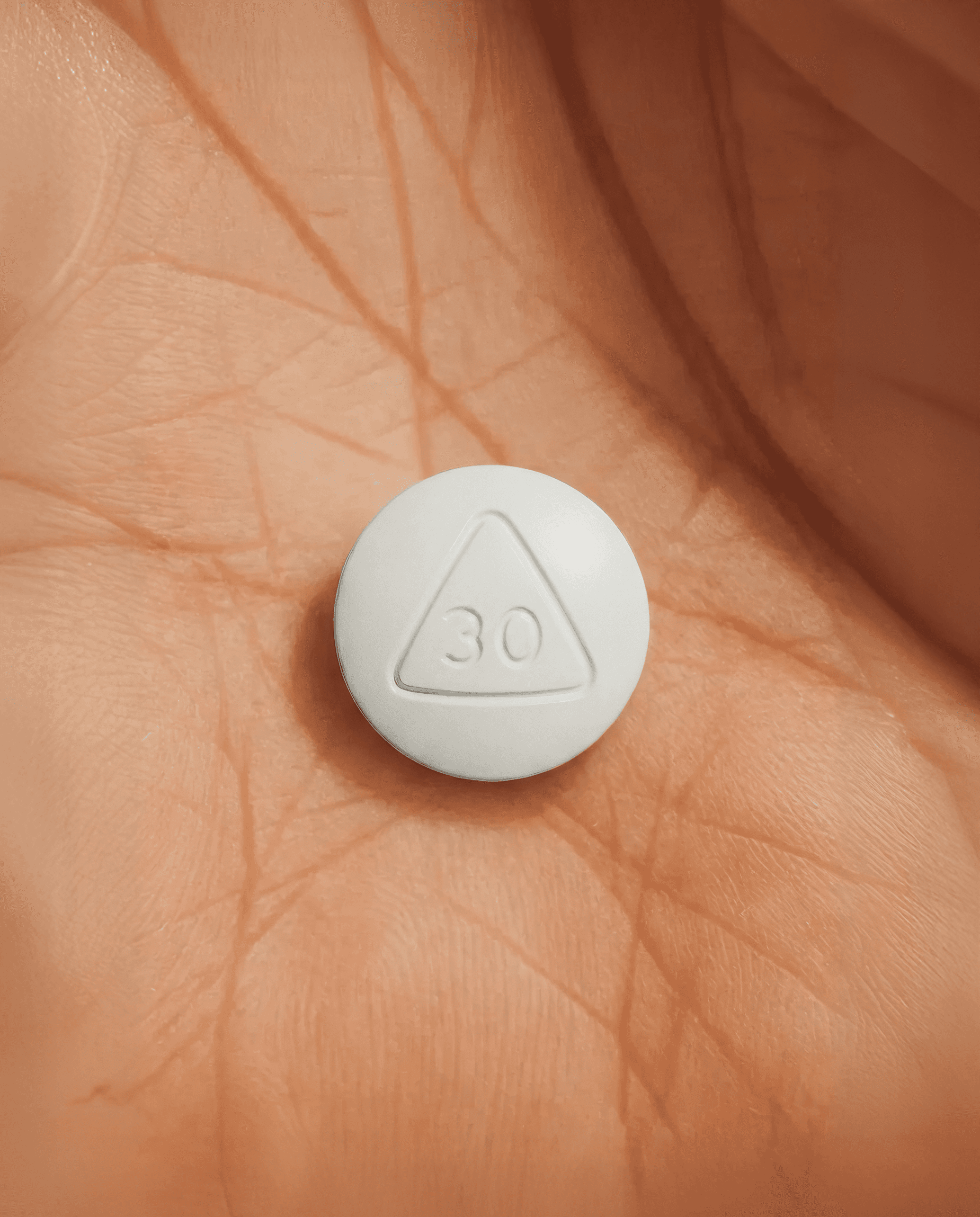
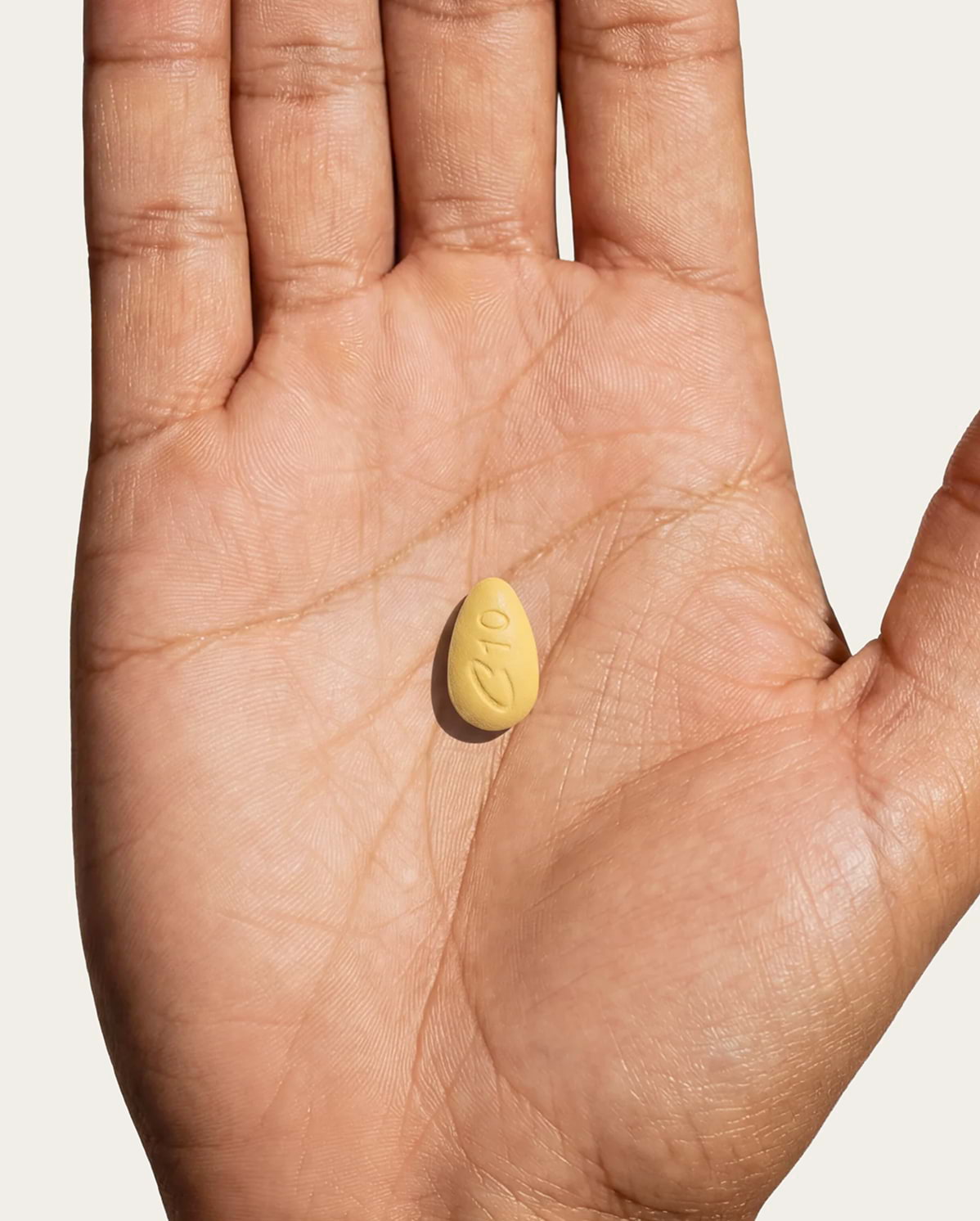
Finasteride is an oral medication that can effectively stop male hair loss and, in many men, stimulate new hair growth. It was originally developed to treat prostate conditions, but doctors soon discovered that it also has a powerful effect on hair loss.
The medication is available by prescription and is approved for the treatment of androgenetic alopecia - the scientific term for male pattern baldness. This is by far the most common form of hair loss in men, affecting more than 30% of men over the age of 30, 50% of men over the age of 50 and over 70% of the men at the age of 70⁴.
How does finasteride work against hair loss?
To understand how finasteride works, we first need to look at what causes hair loss. The key driver is a hormone called DHT (dihydrotestosterone). This hormone is produced when an enzyme called 5-alpha-reductase converts testosterone into DHT.
DHT is not inherently harmful - it plays an important role during puberty in the development of male characteristics such as facial hair and a deeper voice. However, in genetically susceptible men, DHT has an unwanted side effect: it binds to hair follicles on the scalp and causes them to gradually shrink. This process is called miniaturization¹.
Smaller hair follicles produce progressively thinner and shorter hairs until they eventually stop growing altogether. This explains the typical pattern of male baldness: a receding hairline and thinning at the crown.
This is where finasteride comes in. The medication works by blocking DHT: it inhibits the enzyme 5-alpha-reductase, reducing circulating DHT levels in the body by up to 70%⁵. Without DHT, hair follicles can recover, increase in size again, and produce thicker, healthier hair.
This is a fundamentally different mechanism from treatments such as minoxidil, which stimulate blood flow to the hair follicles. Finasteride addresses the problem at its source.
Who is finasteride suitable for?
Finasteride works best for men with androgenetic alopecia - hereditary hair loss. This typically presents as a receding hairline at the temples, thinning at the crown, or both. If male pattern baldness runs in your family, you are likely genetically predisposed.
The medication is most effective when started early, during mild to moderate hair loss. Once hair follicles have completely disappeared and bald scalp tissue has formed, finasteride can do very little - there are simply no follicles left to restore⁴.
Important: finasteride is NOT suitable for all forms of hair loss. It does not work for:
Telogen effluvium (hair loss caused by stress or illness)
Alopecia areata (patchy hair loss due to an autoimmune response)
Fungal scalp infections
Hair loss caused by chemotherapy
Hair loss in women
Finasteride is also not suitable for men under 18, as DHT plays a crucial role during pubertal development.
Doctors also advise men to stop taking finasteride as a precaution when actively trying to conceive. Although effects on fertility (reduced sperm quality) are very rare and reversible upon discontinuation, it is recommended to stop taking it at least 12 weeks before planning to conceive. Because finasteride is completely out of your system within a few weeks, sperm quality usually recovers quickly. Always discuss this with your doctor for personalized advice.
Always consult a doctor to determine whether finasteride is safe and appropriate for you.
How effective is finasteride?
The scientific evidence for finasteride is positive. Large clinical studies show that:
83% of men experienced halted hair loss or no further progression after two years of use¹
A substantial proportion of users experienced actual new hair growth¹
Long-term studies over multiple years show that finasteride remains effective as long as it is continued³
Comparative studies indicate that finasteride is generally more effective than minoxidil at stopping hair loss. In direct comparisons, finasteride shows superior long-term outcomes². Minoxidil does work faster - many users see improvement within three months - whereas finasteride typically requires 3–6 months.
The key takeaway: finasteride works best on the crown and vertex (top of the scalp). Results at the receding hairline are often slightly less dramatic but still significant¹.
Realistic expectations are essential. Finasteride is not a miracle cure that delivers a full head of hair in a month. It is a long-term hair loss treatment for men that stops progression and delivers gradual improvement. Patience is key.
How long does it take for finasteride to work?
Finasteride begins working immediately on a biological level - once you take your first tablet, DHT levels drop by approximately 70%⁵. However, that doesn’t mean you’ll see results right away. Hair growth takes time. Here is a realistic timeline:
Months 1–3: DHT reduction, no visible change
DHT levels drop sharply, protecting hair follicles. Many men notice little or nothing during this phase. Some even experience temporary increased shedding. This is normal and a sign the medication is working: old, weakened hairs fall out to make room for healthier growth.
Months 3–6: First visible improvement
Between three and six months, most men notice that hair loss has stopped or slowed. Early signs of regrowth may appear - fine hairs becoming thicker and longer. This indicates that finasteride is doing its job.
Month 12: Significant results
After one year of consistent use, the most noticeable results appear. Hair feels fuller, bald areas are less visible, and the hairline is more stable¹.
Long term: Maintenance and continued improvement
Studies spanning multiple years show that men who continue finasteride maintain their results and often improve further³. Continued use is essential - if you stop, hair loss typically returns within 6–12 months.
Side effects and safety
Let’s be transparent: like any medication, finasteride can cause side effects. The good news is that most men experience none at all, and when side effects do occur, they are usually mild.
The most common side effects are sexual in nature:
Reduced libido (1.8% vs 1.3% with placebo)⁵
Erectile dysfunction (1.3% vs 0.7% with placebo)⁵
Reduced ejaculate volume (rarely reported)⁵
It’s important to emphasize how low these numbers are. Out of 100 men using finasteride, 96–98 experience no sexual side effects. And among those who do, symptoms often resolve within weeks or after discontinuation.
Other possible side effects are rarer and include breast tenderness, temporarily reduced fertility (very rare, reversible upon discontinuation), skin rash, or headache - each occurring in fewer than 1% of users.
There has also been discussion around “post-finasteride syndrome” - persistent symptoms after stopping treatment. While some men report this, scientific evidence is limited and such cases appear to be extremely rare⁵.
What should you do if you experience side effects?
Do not stop finasteride immediately - discuss any symptoms with your doctor first. Possible strategies include:
Trying a lower dose
Taking a short break and restarting
Switching to a topical formulation
At Menkind, BIG-registered doctors are available to guide you if side effects occur. Medical supervision is always important when using finasteride.
Tips for the best results with finasteride
Want to get the most out of your finasteride treatment? Follow these practical tips:
1. Take it daily at the same time
Consistency is crucial. Set a reminder or link it to an existing habit (e.g. brushing your teeth) to maintain stable DHT suppression.
2. Be patient - give it at least 6 months
Minimal changes in the early months are normal. Men who stop too early often miss the best results.
3. Consider combining with minoxidil
Research shows that combining finasteride (oral) with minoxidil (topical) produces excellent results. Finasteride blocks DHT, minoxidil stimulates blood flow - together they form a powerful combination for hair regrowth⁶. At Menkind, both treatments can be easily combined.
4. Take progress photos
Because you see yourself daily, gradual improvement is easy to miss. Take monthly photos from the same angles (front, crown, sides) under consistent lighting. The difference becomes clear after 6–12 months.
5. Stay consistent - even after results
Finasteride only works while you use it. If you stop, hair loss typically resumes within 6–12 months. Think of it as a long-term investment in your hair.
6. Maintain a healthy lifestyle
Finasteride works best when combined with healthy habits:
• Adequate sleep (7–8 hours)
• Protein-rich diet
• Stress management
• No smoking
These factors all influence hair health and can enhance finasteride’s effectiveness.
Conclusion
Finasteride is a scientifically proven, highly effective treatment for male pattern baldness. With studies showing that 83% of men stop hair loss after two years, it is one of the most powerful tools available¹.
By blocking DHT - the hormone that causes follicle shrinkage - finasteride addresses hair loss at its root. Although visible results take 3–6 months, long-term outcomes are impressive. Men who use it consistently can enjoy thicker, fuller hair for many years³.
Side effects are rare and usually mild. Most men experience none, and when they do occur, they often resolve within weeks⁵.
Ready to take back control of your hair? At Menkind, you can complete an online intake with BIG-registered doctors who can personally assess whether finasteride is right for you. Discreet, professional, and convenient from home.
References
1. Shapiro, J., & Kaufman, K. D. (2003). Use of finasteride in the treatment of men with androgenetic alopecia (male pattern hair loss). Journal of Investigative Dermatology Symposium Proceedings, 8(1), 20-23. https://pubmed.ncbi.nlm.nih.gov/12894990/
2. Arca, E., Acikgoz, G., Tastan, H. B., Kose, O., & Kurumlu, Z. (2004). An open, randomized, comparative study of oral finasteride and 5% topical minoxidil in male androgenetic alopecia. Dermatology, 209(2), 117-125. https://pubmed.ncbi.nlm.nih.gov/15316165/
3. Sato, A., & Takeda, A. (2012). Evaluation of efficacy and safety of finasteride 1 mg in 3177 Japanese men with androgenetic alopecia. The Journal of Dermatology, 39(1), 27-32. https://pubmed.ncbi.nlm.nih.gov/21980923/
4. Adil, A., & Godwin, M. (2017). The effectiveness of treatments for androgenetic alopecia: A systematic review and meta-analysis. Journal of the American Academy of Dermatology, 77(1), 136-141. https://pubmed.ncbi.nlm.nih.gov/28396101/
5. Gupta, A. K., Mays, R. R., Dotzert, M. S., et al. (2022). Relative efficacy of minoxidil and the 5-alpha reductase inhibitors in androgenetic alopecia treatment of male patients: A network meta-analysis. JAMA Dermatology, 158(3), 266-274. https://pmc.ncbi.nlm.nih.gov/articles/PMC8811710/
6. Hu, R., Xu, F., Sheng, Y., Qi, S., Han, Y., Miao, Y., ... & Chen, X. (2015). Combined treatment with oral finasteride and topical minoxidil in male androgenetic alopecia: a randomized and comparative study in Chinese patients. Dermatologic Therapy, 28(5), 303-308. https://pubmed.ncbi.nlm.nih.gov/26031764/