Weight loss
Mounjaro: Complete guide to weight loss
Mounjaro is a powerful GLP-1 medication for weight loss with the active ingredient tirzepatide. Unlike other medications, Mounjaro works on two hormones at the same time: GLP-1 and GIP. This dual-action approach makes it particularly effective - on average, people lose 15–22.5% of their body weight¹. Mounjaro is a safe and effective medication that achieves optimal results when combined with healthy nutrition and regular physical activity. In this complete guide, we explain what Mounjaro is, how it works, who it’s suitable for, and how to use it.
LAST UPDATE
MEDICALLY REVIEWED BY
Bibian Schäffer, general practitioner
TIME
7 min
read
KEY WORDS
• Mounjaro • Mounjaro weight loss • Tirzepatide • How Mounjaro works • Mounjaro side effects
What is Mounjaro?
Mounjaro is a once-weekly injection for weight loss containing the active ingredient tirzepatide. It was originally approved in 2022 for the treatment of type 2 diabetes, and since 2023 it has also been available for weight management³.
What makes Mounjaro unique is that it is a dual-action medication. While other GLP-1 medications such as Ozempic and Wegovy act only on the GLP-1 hormone, Mounjaro works on both GLP-1 and GIP receptors⁴. This makes it the only medication that mimics both hormones simultaneously - and that is precisely why it can be more effective.
In the Netherlands, Mounjaro is available by prescription. You start with a low dose of 2.5 mg and gradually increase it to a maximum of 15 mg per week³. This gradual titration helps your body adjust to the medication and reduces side effects.
How does Mounjaro work for weight loss?
Mounjaro’s strength lies in its dual-action mechanism. It mimics two natural hormones that your body releases after eating: GLP-1 and GIP⁴.
Mimicking GLP-1:
Slows gastric emptying - food stays in your stomach longer
Reduces appetite by sending signals to the brain
Increases feelings of fullness after meals
Stimulates insulin production when blood sugar rises
Suppresses glucagon release (a hormone that raises blood sugar)
Mimicking GIP:
Provides an additional effect on fat metabolism
Improves how well cells respond to insulin
Supports fat burning
Works synergistically with GLP-1 for a stronger overall effect
A helpful way to understand this is the “lock and key” analogy. Imagine receptors in your body as locks and hormones as keys. Medications like Ozempic have one key (GLP-1) and therefore open one lock. Mounjaro has two keys and opens both locks⁴. As a result, the same goal is reached through two pathways instead of one.
Many people using Mounjaro also notice a reduction in “food noise” - the constant, intrusive thoughts about food. Cravings decrease, and it becomes easier to make healthier choices¹.
How much weight can you lose with Mounjaro?
The results with Mounjaro are impressive. In the SURMOUNT clinical trials, participants lost an average of 15–22.5% of their body weight¹. At the highest dose (15 mg), average weight loss was 22.5% after 72 weeks. Another study even showed an average loss of 25.3% after 88 weeks.
To put this into perspective:
Starting weight 90 kg: 13.5–20 kg weight loss
Starting weight 100 kg: 15–22.5 kg weight loss
Starting weight 120 kg: 18–27 kg weight loss
In direct comparisons with semaglutide (Ozempic/Wegovy), Mounjaro performs better on average². The difference is statistically significant but not dramatic - both medications are highly effective. The right choice depends on your personal situation and goals.
The typical timeline looks like this:
First effects within a few weeks (reduced appetite)
Most weight loss between months 3–9
Maximum effect after 12–18 months
Weight maintenance with continued use
Important: these are averages from studies in which participants combined Mounjaro with healthy nutrition and regular exercise¹˒⁵. Individual results may vary. The medication amplifies your efforts - it does not replace them.
Who is Mounjaro suitable for?
Mounjaro is not for everyone. Your doctor determines eligibility based on your medical situation³.
You may be eligible for Mounjaro if you:
Have a BMI of 30 or higher (obesity)
Have a BMI of 27 or higher with weight-related conditions such as high blood pressure, high cholesterol, type 2 diabetes, or respiratory problems (asthma or sleep apnea)
Are 18 years or older
Mounjaro is particularly suitable for people with type 2 diabetes, as it offers a dual benefit: weight loss and improved blood sugar control³. It is also a good option for people who did not achieve sufficient results with semaglutide medications, or for those aiming for maximum weight loss.
Mounjaro is not suitable if you:
Have a personal or family history of medullary thyroid carcinoma
Have Multiple Endocrine Neoplasia syndrome type 2 (MEN 2)
Have a severe allergy to tirzepatide or any of its ingredients
Have a history of pancreatitis
Have severe gastrointestinal disorders such as gastroparesis
(Are pregnant, planning to become pregnant, or breastfeeding)
Extra caution is required in case of kidney disease, liver disease, or if you are using other diabetes medications³. Always discuss your full medical history with your doctor.
What are the side effects of Mounjaro?
As with any medication, Mounjaro can cause side effects. The most common are gastrointestinal⁶:
Nausea – 15–20% of users
Diarrhea – 13–16% of users
Vomiting – 6–9% of users
Constipation – 6–7% of users
Abdominal pain or discomfort
Reduced appetite (this is actually the desired effect)
These side effects occur because Mounjaro slows gastric emptying. Because it is a dual-action medication, it may cause slightly more gastrointestinal symptoms than semaglutide medications⁶. However, the difference is small.
Most side effects are strongest during the first 4–8 weeks and after each dose increase. They are usually mild and often resolve as your body adapts⁶.
Tips to reduce side effects:
Eat smaller, more frequent meals
Avoid heavy, fatty, or fried foods
Drink enough water (2–3 liters per day)
Eat slowly and chew thoroughly
Try ginger or peppermint tea for nausea
Rare but serious side effects include pancreatitis (<1%), severe allergic reactions (<0.1%), and gallbladder problems⁶. Contact your doctor immediately if you experience severe, persistent abdominal pain, signs of an allergic reaction, or other serious symptoms.
How do you use Mounjaro?
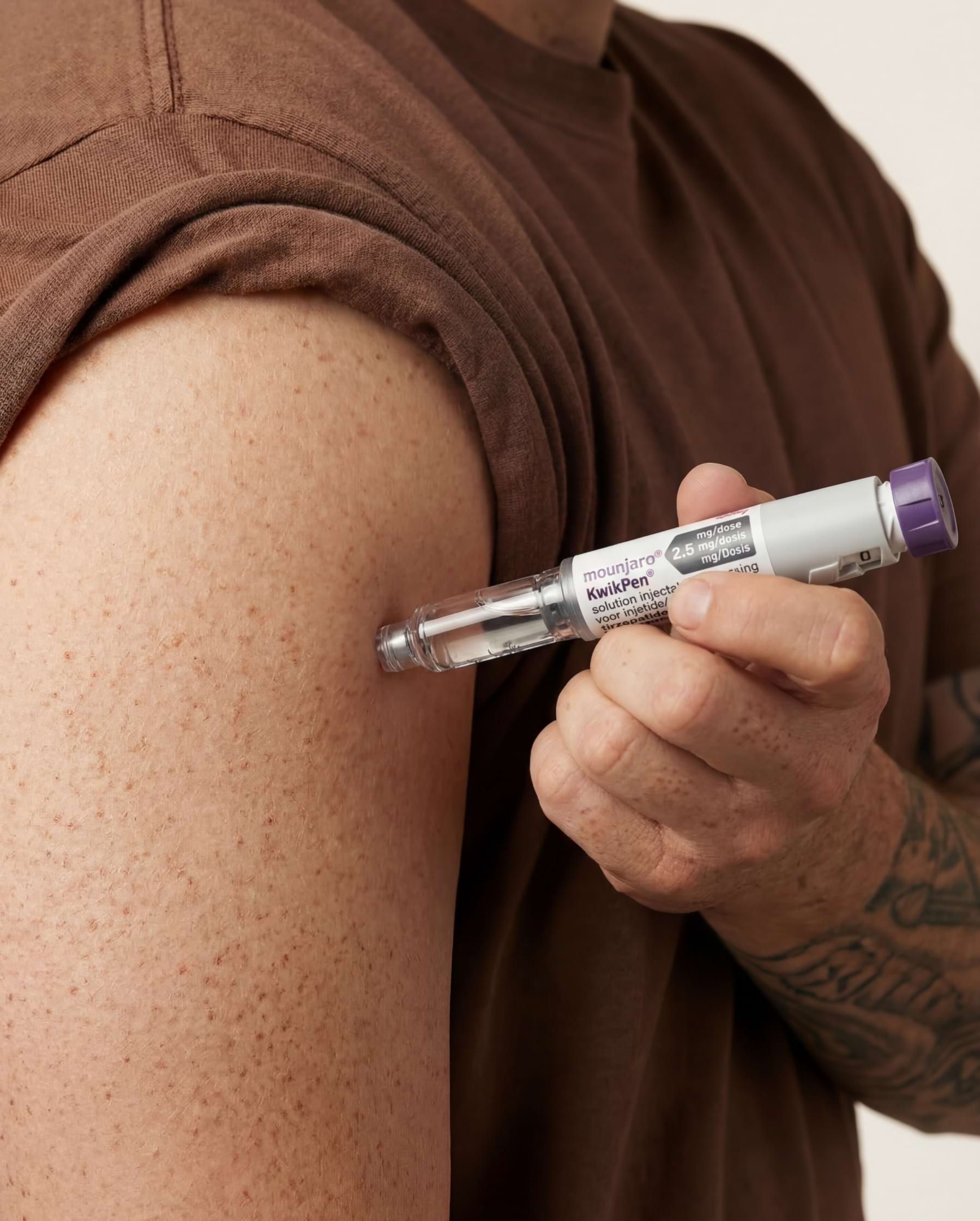
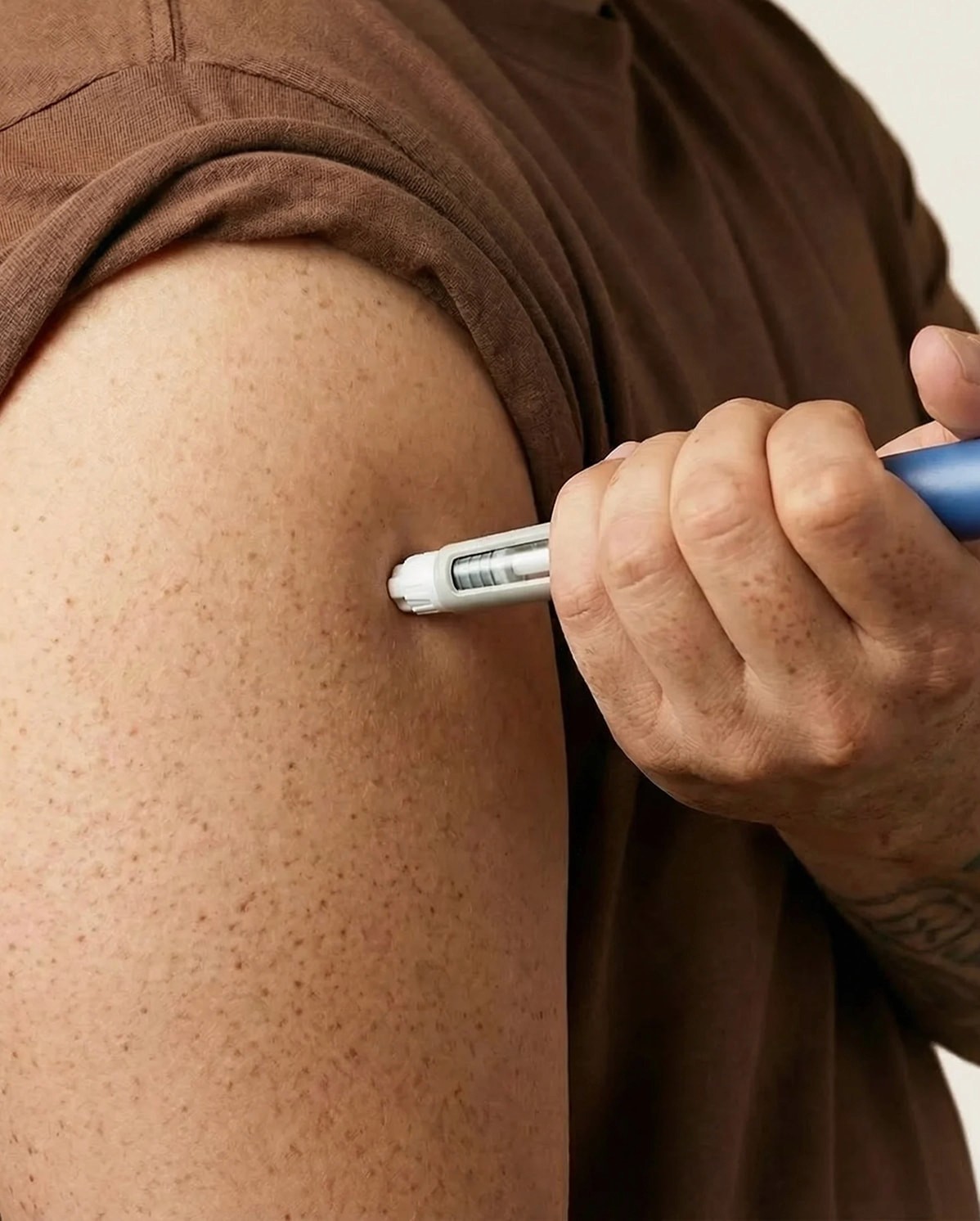
Mounjaro is administered once weekly as a subcutaneous injection - meaning an injection under the skin, in the abdomen, thigh, or the back of the upper arm³. Choose the same day each week, but rotate injection sites.
Dose escalation schedule:
Weeks 1–4: 2.5 mg (starting dose)
Weeks 5–8: 5 mg
Weeks 9–12: 7.5 mg
Weeks 13–16: 10 mg
Weeks 17–20: 12.5 mg
Week 21 and beyond: 15 mg (maximum dose)
This gradual titration is important. It minimizes side effects, gives your body time to adapt, and helps your doctor determine the optimal dose for you³. Not everyone needs the maximum dose - some people reach their goals at lower doses.
Practical tips:
Set a reminder for your weekly injection day
Store Mounjaro in the refrigerator (2–8°C) - do not freeze
Let the pen reach room temperature before use
Check the solution - it should be clear and colorless
Dispose of used pens safely in a sharps container
Remember: Mounjaro is most effective when combined with a healthy lifestyle. Eat nutritious foods, exercise regularly, get enough sleep, and manage stress⁵. The medication enhances your efforts - it does not replace them.
How long do you use Mounjaro?
Mounjaro is designed as a long-term treatment for weight management. Like other GLP-1 medications, Mounjaro works only while you are using it. Research on GLP-1 therapies shows that when people stop treatment, appetite typically returns within weeks and about two-thirds of the lost weight is regained within a year⁷. This also applies to tirzepatide, despite its dual-action mechanism.
This means that sustainable behavior change is essential, regardless of how effective the medication is. Many people choose to continue Mounjaro long-term for weight maintenance, while others successfully discontinue it by consistently maintaining a healthy lifestyle - nutritious eating, regular exercise, and strong daily routines.
Important: never stop Mounjaro abruptly without consulting your doctor. If you feel ready to stop, discuss a plan for gradual discontinuation and strategies to maintain your weight. The best approach is to see Mounjaro as part of a broader lifestyle change, not a quick fix.
Start your weight loss journey with Menkind
At Menkind, we help men with weight loss using the full range of GLP-1 medications: Ozempic, Wegovy, and Mounjaro. Our BIG-registered physicians assess which treatment best suits your situation, taking into account your goals, medical history, and personal preferences.
You gain access to ongoing medical supervision, progress monitoring, and an extensive knowledge base with practical information. Our platform is 100% online, allowing you to receive flexible and discreet support whenever it suits you. Start an intake today and discover which treatment can help you achieve your goals.
References
1. Jastreboff, A. M., Aronne, L. J., Ahmad, N. N., et al. (2022). Tirzepatide once weekly for the treatment of obesity. New England Journal of Medicine, 387(3), 205–216. https://pubmed.ncbi.nlm.nih.gov/35658024/
2. Frías, J. P., Davies, M. J., Rosenstock, J., et al. (2021). Tirzepatide versus Semaglutide Once Weekly in Patients with Type 2 Diabetes. The New England Journal of Medicine, 385(6), 503–515. https://pubmed.ncbi.nlm.nih.gov/34170647/
3. European Medicines Agency. (2024). Mounjaro (tirzepatide): EPAR - Productinformatie. https://www.ema.europa.eu/nl/documents/product-information/mounjaro-epar-product-information_nl.pdf
4. Farzam, K. & Patel, P. (2024). Tirzepatide. StatPearls. https://www.ncbi.nlm.nih.gov/books/NBK585056/
5. Wadden, T. A., Chao, A. M., Machineni, S., et al. (2023). Tirzepatide after intensive lifestyle intervention in adults with overweight or obesity: The SURMOUNT-3 phase 3 trial. Nature Medicine, 29(10), 2401-2408. https://pubmed.ncbi.nlm.nih.gov/37840095/
6. Mishra, R., Raj, R., Elshimy, G., et al. (2023). Adverse Events Related to Tirzepatide. The Journal of the Endocrine Society, 7(4), bvad016. https://pubmed.ncbi.nlm.nih.gov/36789109/
7. Rubino, D., Abrahamsson, N., Davies, M., et al. (2021). Effect of continued weekly subcutaneous semaglutide vs placebo on weight loss maintenance in adults with overweight or obesity: The STEP 4 randomized clinical trial. JAMA, 325(14), 1414–1425. https://pubmed.ncbi.nlm.nih.gov/33755728/