Weight loss
Semaglutide: Ozempic vs Wegovy vs Rybelsus
The three main semaglutide medications are Ozempic (for diabetes, weekly injection up to 2 mg), Wegovy (for weight loss, weekly injection up to 2.4 mg), and Rybelsus (for diabetes, daily tablet up to 9 mg). All three contain the same active ingredient, but they differ in dose, administration method, approvals, and effectiveness. For weight loss, Wegovy is the most effective option, followed by Ozempic, which is prescribed off-label, and Rybelsus, whose effectiveness depends heavily on the dose. This article compares the three based on effectiveness, ease of use, side effects, and suitability to help you make the right choice.
LAST UPDATE
MEDICALLY REVIEWED BY
Bibian Schäffer, general practitioner
TIME
7 min
read
KEY WORDS
• Semaglutide • Ozempic vs Wegovy • Ozempic Wegovy Rybelsus • Semaglutide comparison • Rybelsus vs Ozempic
What do Ozempic, Wegovy, and Rybelsus have in common?
The main thing these three medications share: they all contain exactly the same active ingredient - semaglutide³. It’s the same molecule, only in different formulations and strengths.
All three are GLP-1 receptor agonists and work via the same mechanism². They mimic the natural GLP-1 hormone and therefore have similar effects:
Slowing gastric emptying, so you stay full longer
Reducing appetite by sending signals to your brain
Increasing feelings of satiety while eating
Stabilizing blood sugar through insulin regulation
All three medications are developed and produced by Novo Nordisk, based on decades of GLP-1 research. They are proven effective and safe when used correctly²˒³.
So why do different versions exist? Because people have different needs. Ozempic was developed for diabetes, Wegovy specifically for weight loss, and Rybelsus offers an oral option for those who want to avoid injections. Different strengths and administration methods give physicians and patients more choice to find what fits best.
Ozempic vs Wegovy vs Rybelsus: The key differences
Even though they contain the same active ingredient, there are crucial differences:
Administration method:
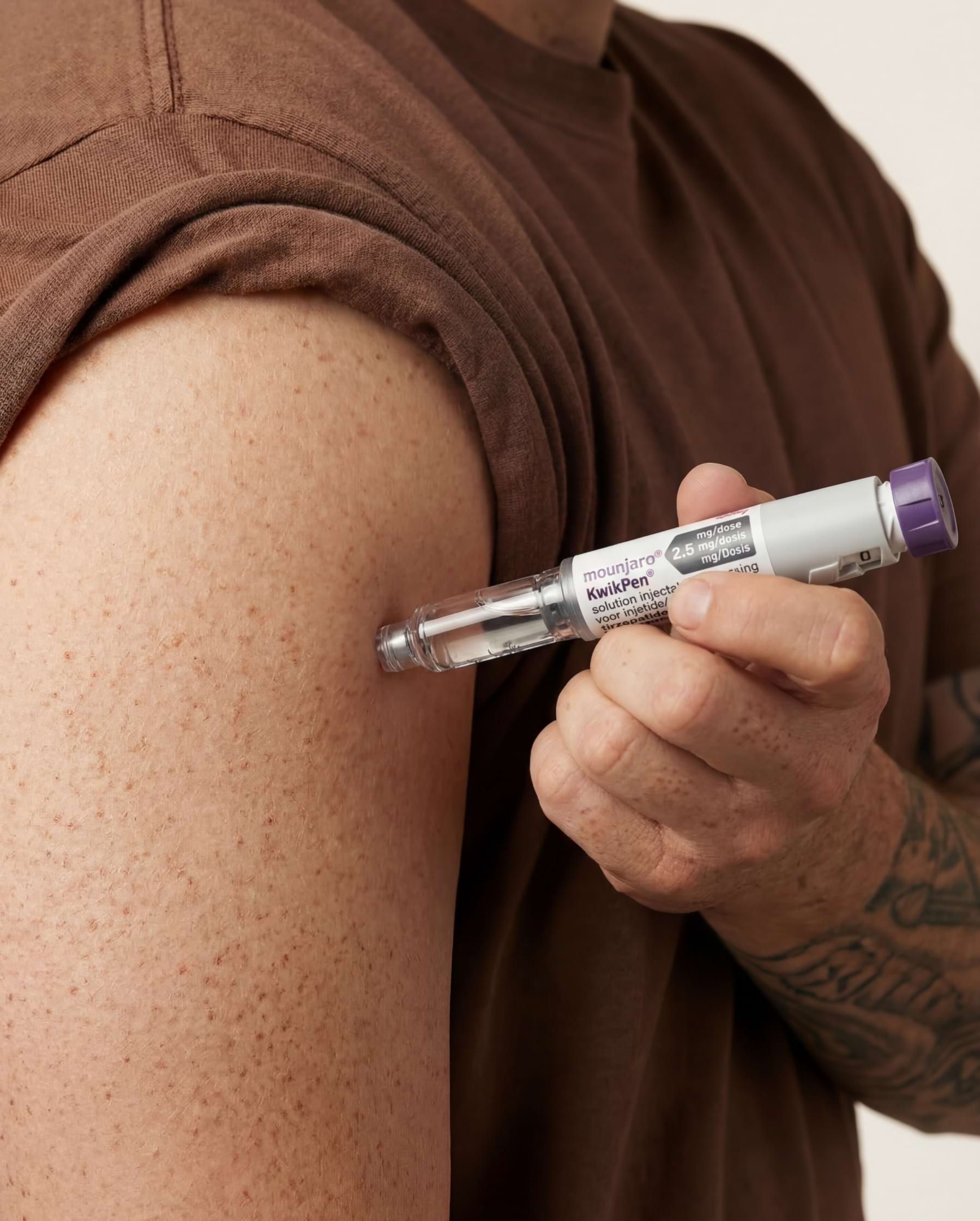
Ozempic: weekly injection
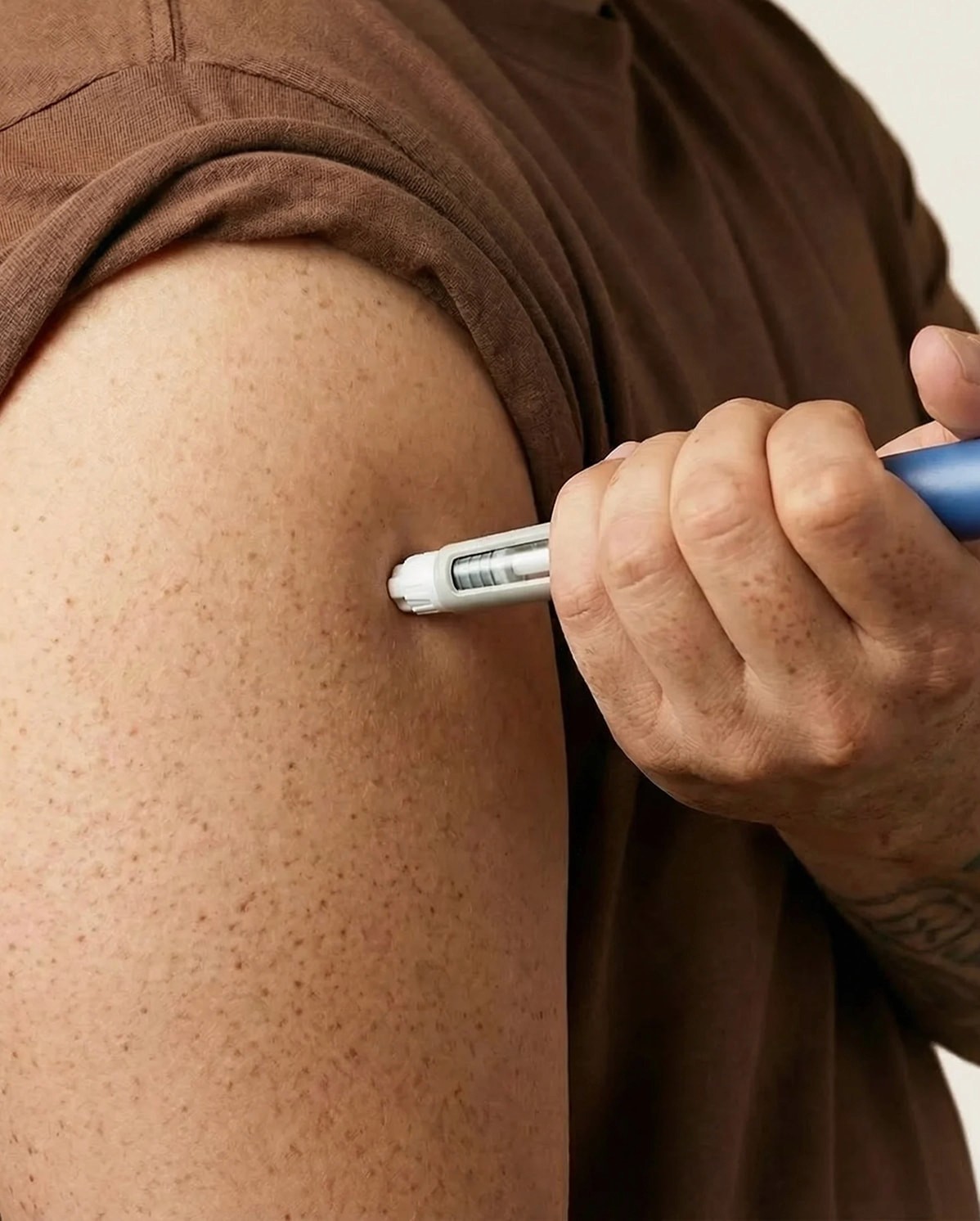
Wegovy: weekly injection
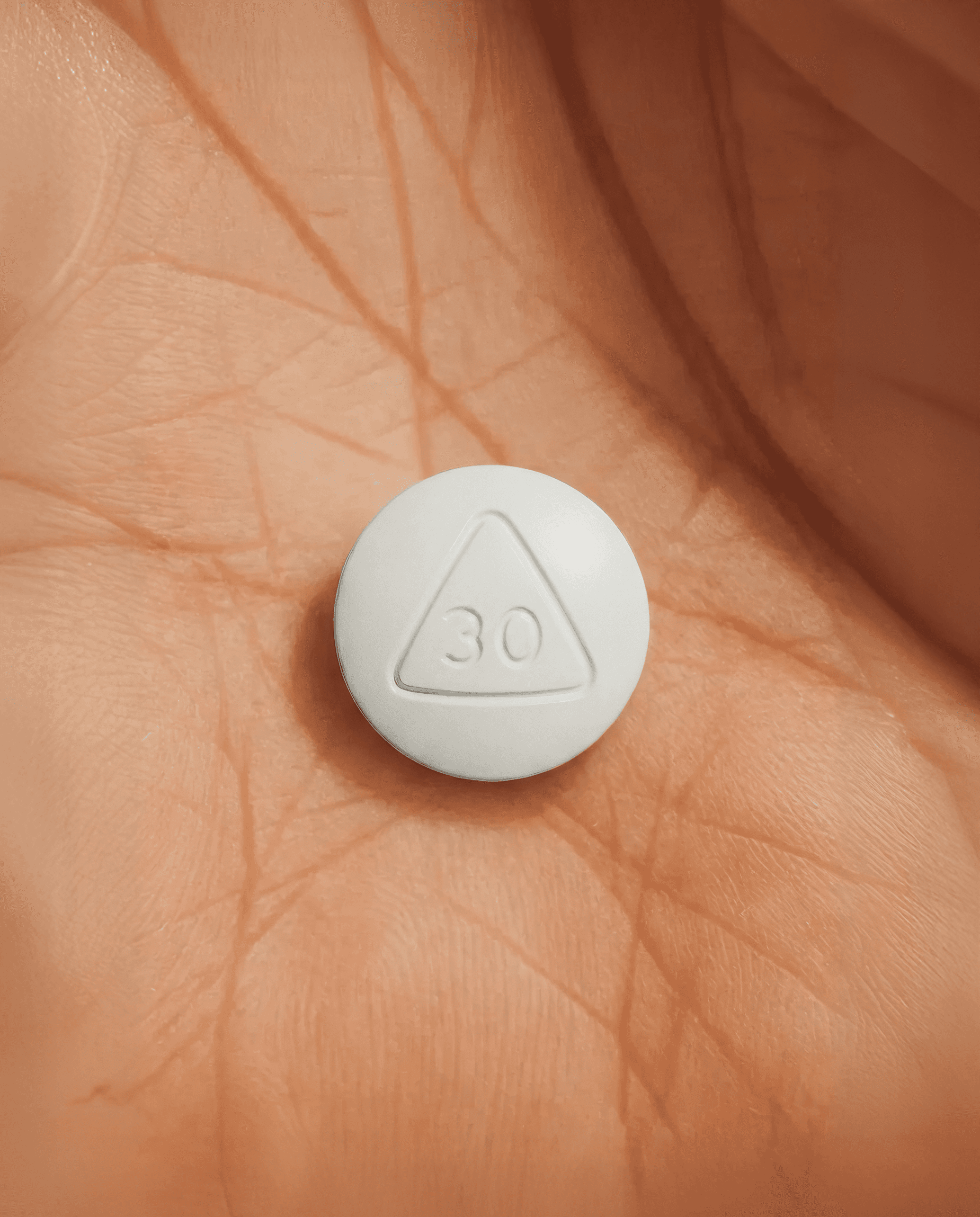
Rybelsus: daily tablet
Maximum dose:
Ozempic: 2 mg per week
Wegovy: 2.4 mg per week
Rybelsus: 9 mg per day
Approval:
Ozempic: diabetes + cardiovascular
Wegovy: weight loss + cardiovascular
Rybelsus: diabetes + cardiovascular
Average weight loss:
Ozempic: 10–15% (off-label)
Wegovy: 15–17% (approved)
Rybelsus: 4–6% (9 mg)
Dosing frequency:
Ozempic: once weekly
Wegovy: once weekly
Rybelsus: once daily (on an empty stomach)
A major difference is how to use the medication⁴. Ozempic and Wegovy are subcutaneous injections you take once a week. Rybelsus is a tablet you must take daily on an empty stomach, at least 30 minutes before your first meal or any other medication. This makes Rybelsus’ bioavailability (absorption into the bloodstream) lower than the injections.
Dosage also differs. Ozempic is titrated up to a maximum of 2 mg per week, Wegovy up to 2.4 mg per week, and Rybelsus has a standard maximum of 9 mg per day.
Effectiveness: Which works best for weight loss?
If weight loss is your primary goal, Wegovy is the most effective choice. In the STEP trials, Wegovy (2.4 mg semaglutide) led to an average of about 15% weight loss after 68–104 weeks. In follow-up studies with intensive lifestyle support or selected responders, results were higher - up to around 16–17%¹. These studies were specifically designed for weight loss and used the highest semaglutide dose (2.4 mg).
Ozempic comes second, with an average 10–15% weight loss. Ozempic is often prescribed off-label for weight loss because it contains the same active ingredient as Wegovy, but at a lower maximum dose (2 mg versus 2.4 mg).
Rybelsus shows variable results. At the currently approved dose of 9 mg per day, average weight loss is about 4–6%⁷.
Why is Wegovy more effective? It was specifically developed for weight loss with an optimized titration schedule. Weekly dosing (versus daily) may also improve adherence - people are less likely to forget a weekly injection than a daily pill⁶.
Important nuance: all three can be effective, and individual response varies. The most important factor is which medication you can use consistently.
Ease of use: Injection vs tablet
The weekly injections (Ozempic and Wegovy) have a major advantage: you dose only once a week⁴. This is easy to remember and improves adherence. Injections also have better bioavailability - more of the active ingredient reaches your bloodstream. You can use them at any time of day, regardless of meals.
The downsides of injections: you have to inject yourself, which can be a barrier for some. The pens must be stored refrigerated (2–8°C), which can make travel more difficult. A small practical difference: Wegovy pens have a built-in needle and are single-use, while Ozempic requires attaching separate needles. This makes Wegovy slightly more user-friendly.
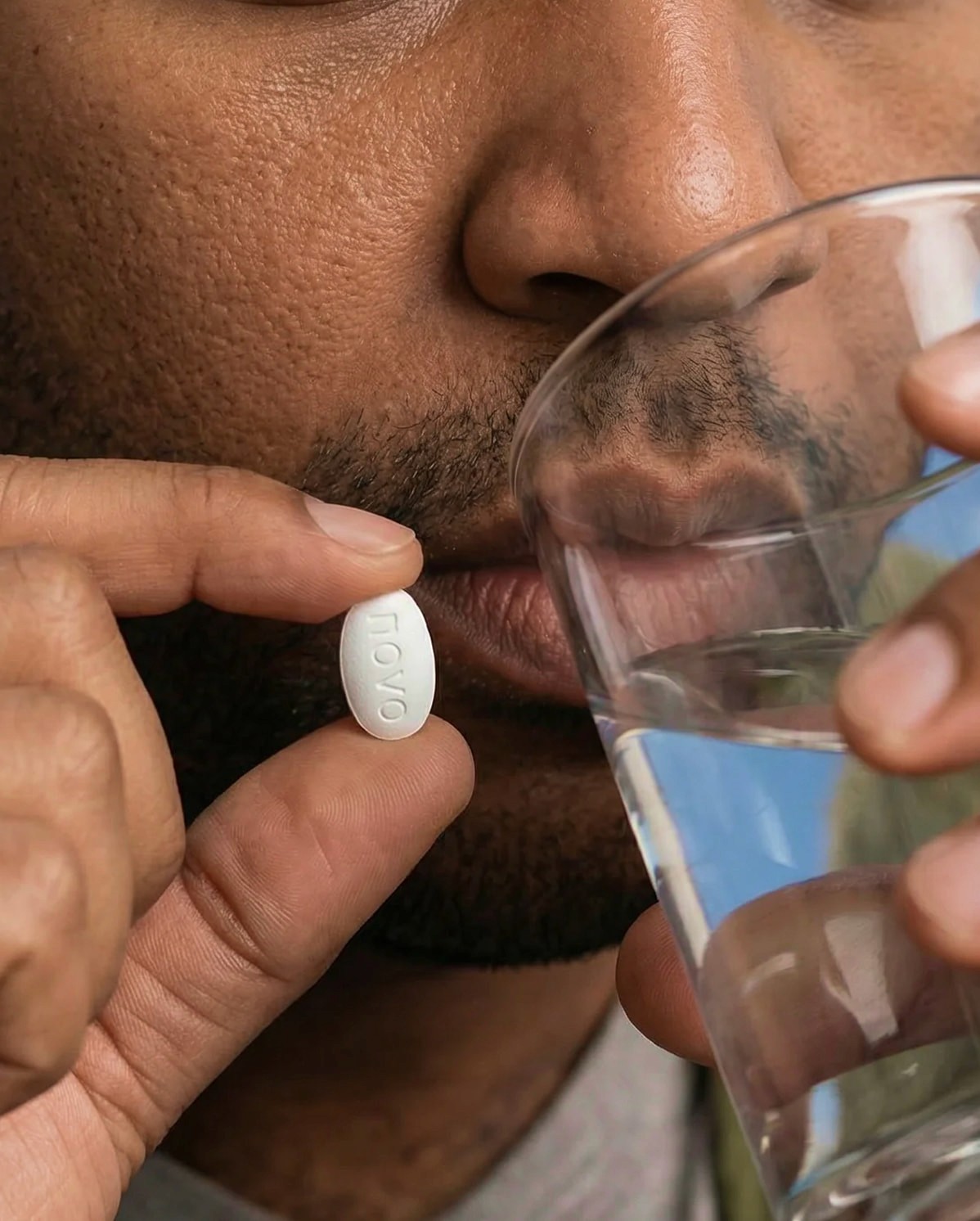
Rybelsus as a daily tablet has the benefit of avoiding needles altogether⁴. For people with needle anxiety, this is a major advantage. The tablet is also easier to take while traveling - no refrigeration needed. It’s a familiar way of taking medication.
The downsides of Rybelsus are the strict administration rules. You must take the tablet on a completely empty stomach with no more than half a glass of water, then wait 30 minutes before eating, drinking, or taking any other medication⁴. This requires discipline. Daily dosing also increases the chance of missing doses compared with weekly injections. Lower bioavailability means you need a higher daily dose to achieve a similar effect.
Side effects and safety: Differences between the three
Because all three contain the same active ingredient, side effects are largely similar²˒³.
The most common side effects are gastrointestinal: nausea, diarrhea, constipation, vomiting, and abdominal pain. These are usually mild to moderate and decrease after the first few weeks.
There are subtle differences in intensity. Wegovy may cause slightly more gastrointestinal side effects because it uses the highest dose. Ozempic tends to fall between Wegovy and Rybelsus in side-effect intensity⁵.
With Rybelsus, correct use is crucial⁴. If you don’t take the tablet on an empty stomach or you eat too soon afterward, absorption decreases and stomach symptoms may worsen. Rybelsus may also interact with other oral medications if they are taken too close together.
In terms of safety, all three are comparable. Rare but serious side effects include pancreatitis (<1%), gallstones, and low blood sugar (especially when combined with other diabetes medications). All three carry a warning for people with a personal or family history of medullary thyroid carcinoma or MEN 2⁵.
Ozempic has the longest track record (since 2017), followed by Rybelsus (2019) and Wegovy (2021). All three now have sufficient data to be considered safe when used correctly under medical supervision.
Which semaglutide is best for whom?
Choose Wegovy if your primary goal is weight loss without diabetes, you want the most effective option, you’re comfortable with weekly injections, and cardiovascular protection matters to you. Wegovy is the official weight-loss medication and delivers the best results¹.
Choose Ozempic if you have type 2 diabetes and also want to lose weight, Wegovy is unavailable or too expensive, or your doctor advises Ozempic off-label. It is a well-established option that works well, but with a slightly lower maximum dose².
Choose Rybelsus if you are afraid of needles, have type 2 diabetes (its approved indication), can follow a strict daily routine, travel often and refrigeration is inconvenient, or you are waiting for higher-dose oral Wegovy. It’s ideal for those who truly want to avoid injections - provided you can follow the dosing rules⁴.
Still unsure? Start with what your doctor recommends and try one option for 2–3 months. Switching between different forms of semaglutide is possible if the first choice doesn’t suit you. The most important thing is choosing a form you can use consistently - adherence matters more than finding the “perfect” option.
Choose the right semaglutide with Menkind
At Menkind, we offer all three semaglutide options: Ozempic, Wegovy, and Rybelsus. Our physicians help you determine which option best fits your situation. We look at your goals, medical history, lifestyle, and preferences to make the right choice together.
You receive full guidance on how to use your medication, whether you choose weekly injections or daily tablets. Our platform is 100% online, with access to ongoing medical support, progress monitoring, and an extensive knowledge base. Start an intake today and discover which semaglutide treatment works best for you.
References
1. Wilding, J. P. H., Batterham, R. L., Calanna, S., et al. (2021). Once-weekly semaglutide in adults with overweight or obesity. New England Journal of Medicine, 384(11), 989–1002. https://pubmed.ncbi.nlm.nih.gov/33567185/
2. Aroda, V. R., Ahmann, A., Cariou, B., Chow, F., Davies, M. J., Jódar, E., et al. (2019). Comparative efficacy, safety, and cardiovascular outcomes with once-weekly subcutaneous semaglutide in the treatment of type 2 diabetes: Insights from the SUSTAIN 1–7 trials. Diabetes & Metabolism, 45(5), 409–418. https://doi.org/10.1016/j.diabet.2018.12.001
3. Andreadis, P., Karagiannis, T., Malandris, K., et al. (2018). Semaglutide for type 2 diabetes mellitus: A systematic review and meta-analysis. Diabetes, Obesity and Metabolism, 20(9), 2255–2263. https://doi.org/10.1111/dom.13361
4. Andersen, A., Lund, A., Knop, F. K., et al. (2021). A pharmacological and clinical overview of oral semaglutide for the treatment of type 2 diabetes. Drugs, 81(9), 1003–1030. https://pmc.ncbi.nlm.nih.gov/articles/PMC8217049/
5. European Medicines Agency. (2024). Wegovy (semaglutide): EPAR - Productinformatie. https://www.ema.europa.eu/nl/documents/product-information/wegovy-epar-product-information_nl.pdf
6. Rubino, D., Abrahamsson, N., Davies, M., et al. (2021). Effect of continued weekly subcutaneous semaglutide vs placebo on weight loss maintenance in adults with overweight or obesity: The STEP 4 randomized clinical trial. JAMA, 325(14), 1414–1425. https://pubmed.ncbi.nlm.nih.gov/33755728/
7. Pratley, R., Amod, A., Hoff, S. T., Kadowaki, T., Lingvay, I., Nauck, M., Pedersen, K. B., Saugstrup, T., & Søndergaard, A. L. (2019). Oral semaglutide versus subcutaneous liraglutide and placebo in type 2 diabetes (PIONEER 4): a randomised, double-blind, phase 3a trial. The Lancet, 394(10192), 39–50. https://doi.org/10.1016/S0140-6736(19)31271-1