Weight loss
Why men and women lose weight differently: what you need to know
LAST UPDATE
MEDICALLY REVIEWED BY
Bibian Schäffer, general practitioner
TIME
6 min
read
KEY WORDS
Why do men and women lose weight differently?
The differences between men and women in weight loss are not a myth. Research shows that men and women respond differently to the same weight loss programs¹. This is due to a combination of biological factors: hormones, body composition, metabolism, and fat distribution all function differently.
Important to understand: these differences do not mean that one has it easier than the other. Both sexes face their own challenges. Men often lose weight faster initially, but women can achieve better long-term results when following the right approach. The key is understanding how your body works.
Hormones: testosterone vs. estrogen
Hormones play a central role in weight loss. In men, testosterone is the primary driver. This hormone helps build muscle mass and influences where fat is stored². Men with healthy testosterone levels generally have more muscle mass and less body fat.
Here’s the interesting part: excess weight lowers testosterone levels⁴. Fat tissue contains the enzyme aromatase, which converts testosterone into estrogen. This creates a vicious cycle: more fat leads to lower testosterone, which in turn leads to more fat storage and less muscle mass.
In women, estrogen and progesterone play a larger role. These hormones fluctuate during the menstrual cycle and influence fluid retention and appetite. During menopause, estrogen levels decline, often leading to weight gain around the abdomen. These hormonal changes make weight loss more complex for women, especially after menopause.
Fat distribution: visceral fat in men
Men and women store fat in different areas. Men tend to store fat around the abdomen and internal organs - this is called visceral fat³. This type of fat is metabolically active and increases the risk of cardiovascular disease, type 2 diabetes, and other conditions.
Women, on the other hand, store more fat in the hips, thighs, and buttocks. This subcutaneous fat lies under the skin and is less harmful to health. However, after menopause, fat distribution in women also shifts more toward the abdomen.
The good news for men: visceral fat responds well to weight loss. Studies show that men lose relatively more visceral fat than women during weight loss¹. This explains why men often see faster results on the scale -visceral fat is more metabolically active and is broken down more quickly than subcutaneous fat.
Differences in metabolism and muscle mass
On average, men have 30-40% more muscle mass than women⁶. Muscle mass burns more energy, even at rest. This means men have a higher basal metabolic rate - they burn more calories without doing anything.
This muscle mass also makes men respond more effectively to strength training. With resistance training, men build muscle faster due to higher testosterone levels⁶. More muscle means a higher metabolism, which facilitates weight loss.
For women, strength training is just as important, but the outcomes differ. Women build muscle more slowly, but strength training still helps increase metabolism and preserve muscle mass during weight loss. This is crucial to prevent the yo-yo effect.
Age and weight loss: what changes?
As we age, the way our body handles weight changes. In men, testosterone production gradually declines from around age 30. This decline is associated with a reduction in muscle mass and an increase in fat tissue, particularly around the abdomen.
In women, menopause is a turning point. The sudden drop in estrogen leads to changes in fat distribution, metabolism, and appetite. Many women notice that methods that used to work are no longer effective.
The good news: weight loss remains possible at any age. However, the strategy needs to be adjusted. Strength training becomes more important to counteract muscle loss. Nutrition should be more nutrient-dense to prevent deficiencies. And patience is essential - results may come more slowly, but they are certainly achievable.
Practical tips for men who want to lose weight
As a man, you have certain advantages in weight loss, but also specific points of attention. Here are practical tips aligned with how the male body works:
Focus on strength training:
Leverage your ability to build muscle mass. Strength training two to three times per week helps increase metabolism and burn visceral fat. Studies confirm that overweight men benefit significantly from resistance training⁶.
Eat enough protein:
Protein helps maintain and build muscle mass. Research shows that sufficient protein intake is crucial for weight loss and muscle preservation⁵. Aim for at least 25-30 grams of protein per meal.
Watch your alcohol intake:
Men often consume more alcohol than women. Alcohol inhibits fat burning and provides empty calories. Limit alcohol to a minimum for better results.
Monitor your testosterone:
If you experience persistent fatigue, reduced strength, or difficulty losing weight, low testosterone may be a factor. Discuss this with your doctor -weight loss can improve testosterone levels⁴, but additional support may sometimes be needed.
Realistic expectations: how much weight can you lose?
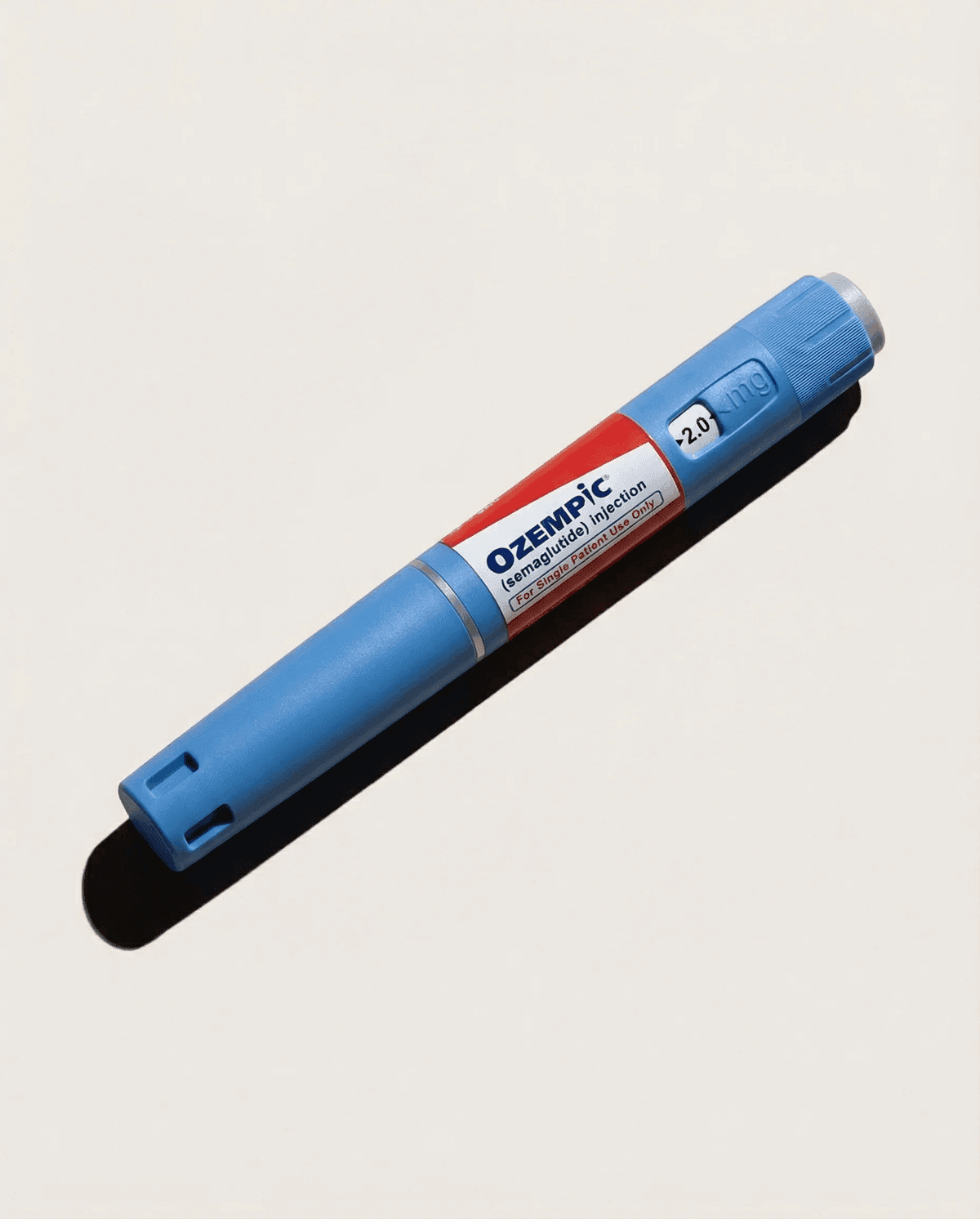
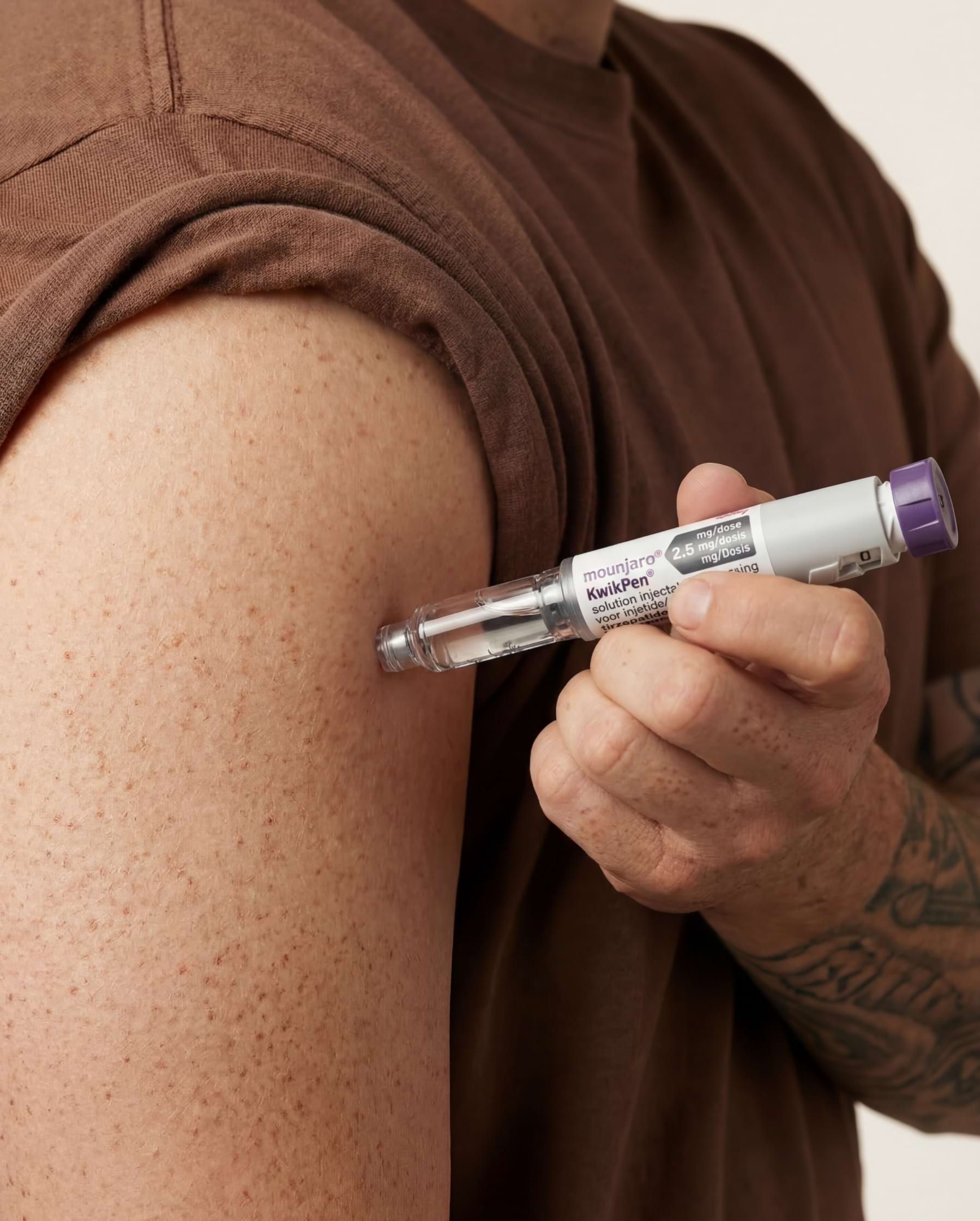
Men often lose weight faster than women, especially in the first weeks. This is due to a higher proportion of visceral fat and greater muscle mass. With diet and exercise, losing 5–10% of your body weight within 3–6 months is a realistic goal¹. With medical support such as GLP-1 medication, different outcomes are possible - this is discussed in detail in, among others, our article on GLP-1 medication in men.
Remember: the scale does not tell the whole story. If you do strength training, you may build muscle while losing fat. This can mean the scale barely changes, even though your body composition improves. Therefore, also measure your waist circumference - reducing abdominal fat is a better indicator of health improvement.
At Menkind, we understand these differences and offer treatments tailored to how the male body works. From weight loss medication to personalized guidance - all discreet and online via BIG-registered doctors.
References
1. Christensen P, et al. (2018). Men and women respond differently to rapid weight loss: Metabolic outcomes of a multi-centre intervention study after a low-energy diet in 2500 overweight individuals with pre-diabetes (PREVIEW). Diabetes, Obesity, and Metabolism, 20(12):2840–2851. https://dom-pubs.onlinelibrary.wiley.com/doi/epdf/10.1111/dom.13466
2. Batra A, et al. (2012). The Role of Visceral Fat. Digestive Diseases, 30(1):70-74. https://doi.org/10.1159/000335722
3. Nauli AM, Matin S. (2019). Why Do Men Accumulate Abdominal Visceral Fat? Frontiers in Physiology, 10:1486. https://doi.org/10.3389/fphys.2019.01486
4. Okobi OE, et al. (2024). Impact of Weight Loss on Testosterone Levels: A Review of BMI and Testosterone. Cureus, 16(12):e76139. https://pmc.ncbi.nlm.nih.gov/articles/PMC11745839/
5. Leidy HJ, et al. (2015). The role of protein in weight loss and maintenance. The American Journal of Clinical Nutrition, 101(6):1320S–1329S. https://pubmed.ncbi.nlm.nih.gov/25926512/
6. Häkkinen K, et al. (2001). Selective muscle hypertrophy, changes in EMG and force, and serum hormones during strength training in older women and men. Journal of Applied Physiology, 91(2):569–580. https://doi.org/10.1152/jappl.2001.91.2.569